


 April 29, 2016Regional Migration Forecast: 29 April – 6 May 2016
Favorable migration conditions in the latter half of the period for the West will bring extensive light to moderate movements of Spotted Sandpiper, Olive-sided Flycatcher, Dusky Flycatcher, Warbling Vireo, MacGillivray’ Warbler, Lark Bunting, Clay-colored Sparrow, and Chipping Sparrow, while a highly variable period for weather in the East will bring similarly variable and patchily distributed moderate to heavy movements featuring Least Sandpiper, Forster’s Tern, Olive-sided Flycatcher, Least Flycatcher, Acadian Flycatcher, Wood Thrush, Swainson’s Thrush, Golden-winged Warbler, Nashville Warbler, Cape May Warbler, Blackburnian Warbler, and Baltimore Oriole.
 April 29, 2016Regional Migration Analysis: 22-29 April 2016
Light to moderate flights, primarily in the Desert Southwest and the eastern Rockies, were the highlights of the week in the West and featured Wilson’s Phalarope, Vaux’s Swift, Western Wood-Pewee, Hammond’s Flycatcher, Brown-crested Flycatcher, Warbling Vireo, Yellow Warbler, Hermit Warbler, Summer Tanager, Western Tanager, and Lark Sparrow, while moderate to heavy flights featuring Mississippi Kite, Willet, Ruby-throated Hummingbird, Western Kingbird, Gray Catbird, Bay-breasted Warbler, Black-throated Blue Warbler, Rose-breasted Grosbeak, Blue Grosbeak, Dickcissel, and Baltimore Oriole were extensive in many areas of the East.
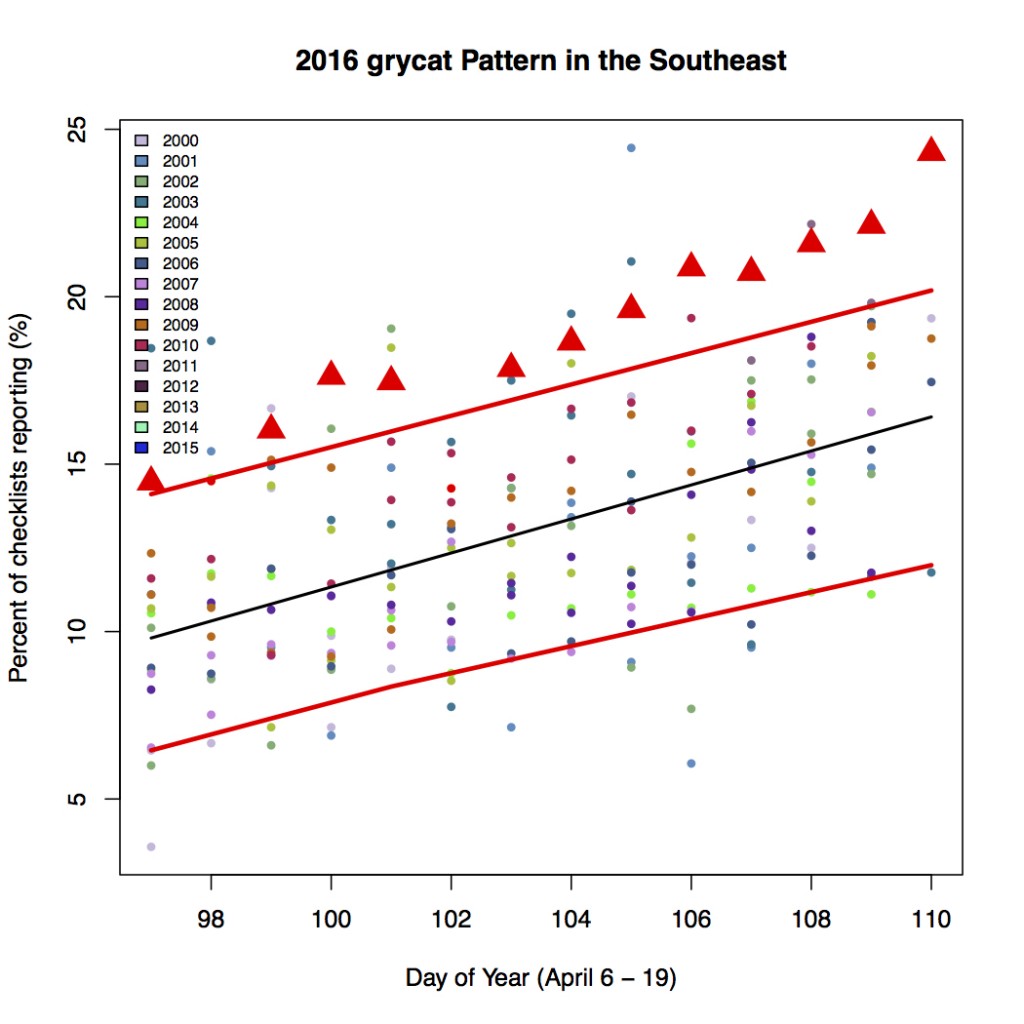 April 22, 2016And now for something a bit different: selected anomalous distributions brought to you by the BirdCast Anomaly Detector
Team BirdCast has been experimenting with ways to detect changes in bird distributions as they are occurring. With the help of two talented Cornell undergraduates, Alex Wiebe and Benjamin Van Doren, who are leading the charge, we introduce the BirdCast…
 April 22, 2016Regional Migration Forecast: 22-29 April 2016
The most favorable migration conditions in the West bring light to moderate movements of Vaux’s Swift, Broad-tailed Hummingbird, Western Kingbird, Bank Swallow, Virginia’s Warbler, Hermit Warbler, Lazuli Bunting, and Lark Sparrow during the work work, while the East experiences moderate to heavy flights featuring Forster’s Tern, Solitary Sandpiper, Least Sandpiper, Yellow-billed Cuckoo, Blue-headed Vireo, Kentucky Warbler, Chestnut-sided Warbler, Magnolia Warbler, American Redstart during a wave of favorable and unfavorable migration conditions associated with the movements of a strong frontal boundary.
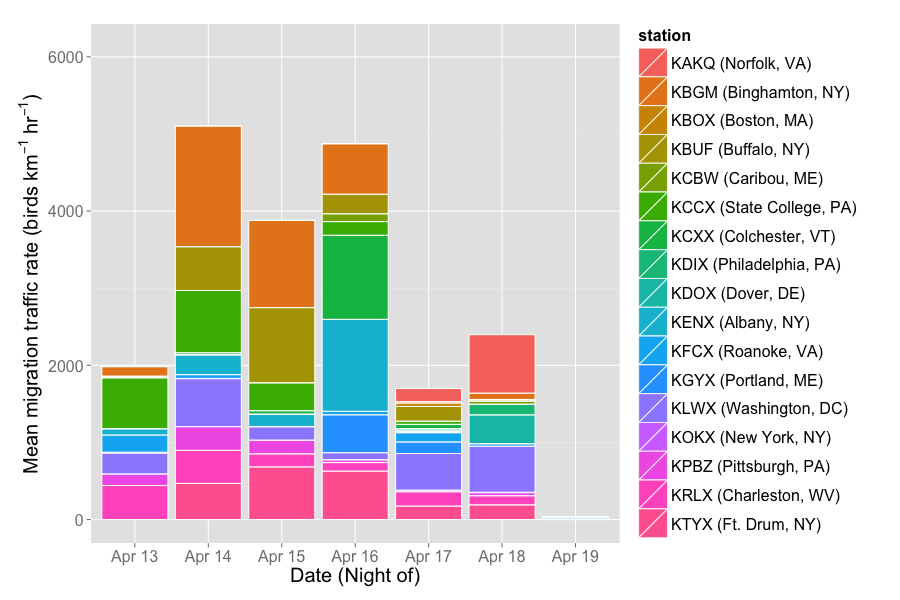 April 22, 2016Traffic Report, Northeastern US: 13-20 April 2016
Welcome to this installment of BirdCast Traffic Reports, posts describing northeastern US nocturnal bird migration traffic rates, as calculated from a completely automated pipeline of algorithms. The images you see in Traffic Reports present the migration traffic rate (MTR), direction of bird movement, and…
 April 22, 2016Regional Migration Analysis: 15-22 April 2016
Light and moderate flights featuring White-faced Ibis, Semipalmated Plover, Olive-sided Flycatcher, Red-faced Warbler, and Western Tanager were frequent in many areas of the West, while the East saw moderate and locally heavy flights featuring Spotted Sandpiper, Chimney Swift, Warbling Vireo, Red-eyed Vireo, Blackpoll Warbler, Cape May Warbler, and Prairie Warbler in the southerly flow ahead of a frontal boundary.
 April 15, 2016Regional Migration Forecast: 15-22 April 2016
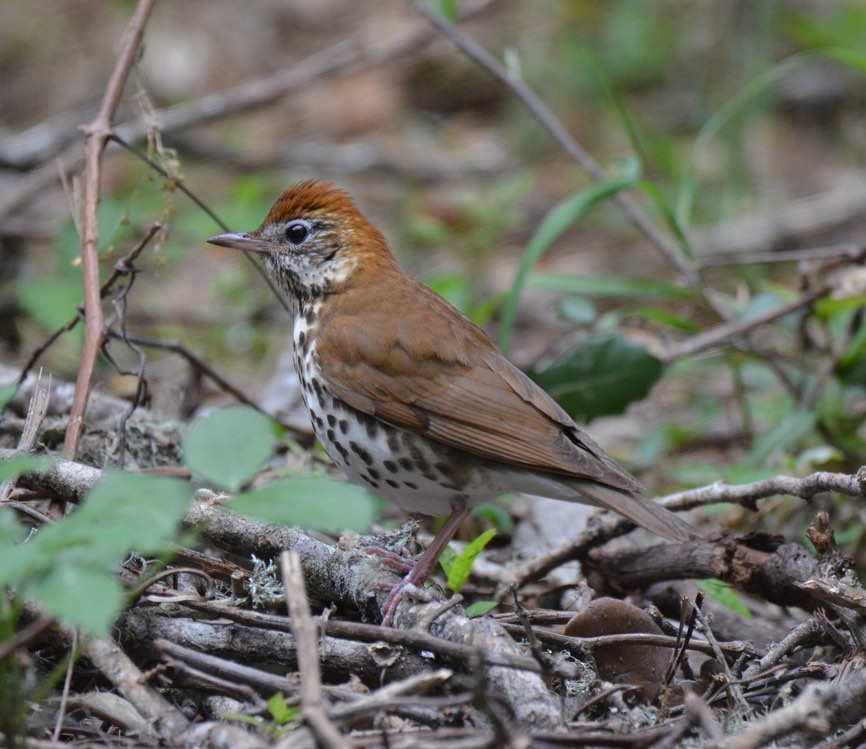
Increasingly favorable conditions for light to moderate movements will build across the West for the work week, featuring Green Heron, Marbled Godwit, Short-billed Dowitcher, Cassin’s Vireo, Barn Swallow, Gray Flycatcher, and Summer Tanager, while the East experiences moderate to heavy flights of Broad-winged Hawk, Sora, Semipalmated Plover, American Avocet, Barn Swallow, Wood Thrush, Black-and-white Warbler, Prothonotary Warbler, Scarlet Tanager, Rose-breasted Grosbeak, Baltimore Oriole, and Lark Sparrow in the Plains for the first half of the period and similarly intense movements farther east later in the period.
 April 15, 2016Regional Migration Analysis: 8-15 April 2016
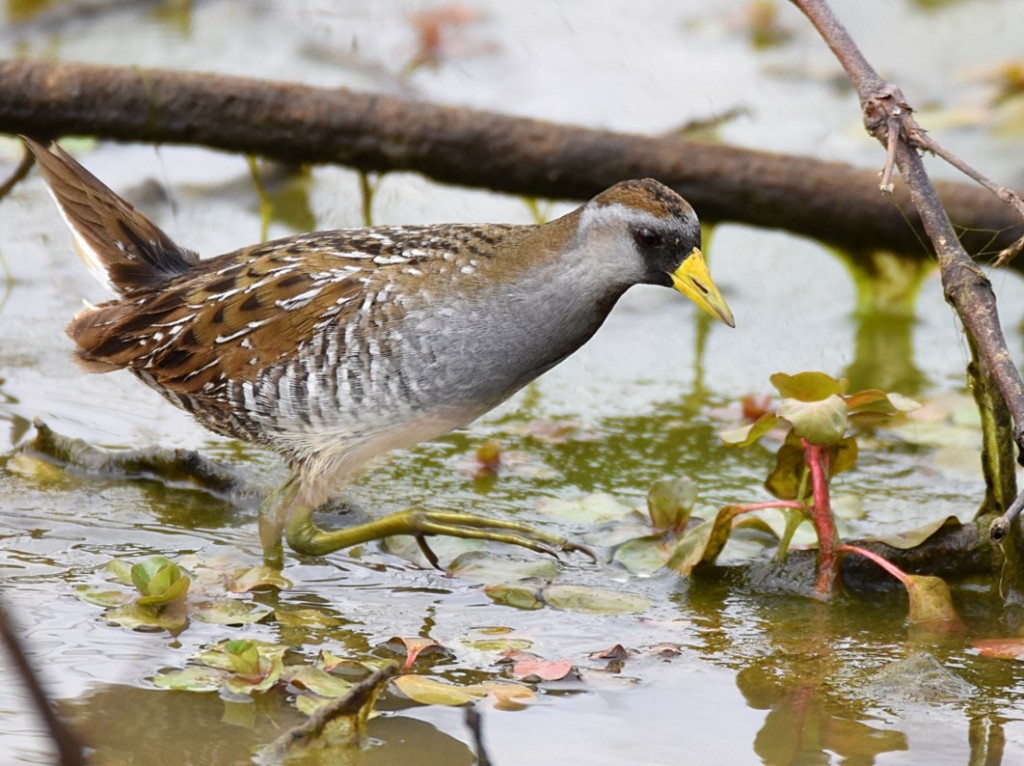
Scattered moderate movements featuring Swainson’s Hawk, Vaux’s Swift, Bank Swallow, Yellow-breasted Chat, Summer Tanager, and Western Tanager were the migration highlights for the period in the West, while moderate to locally heavy movements associated with the passage of a strong frontal boundary through the East featured Green Heron, Broad-winged Hawk, Sora, Common Nighthawk, Warbling Vireo, House Wren, Palm Warbler, and Baltimore Oriole.
 April 9, 2016Traffic Report, Northeastern US – March and early April 2016
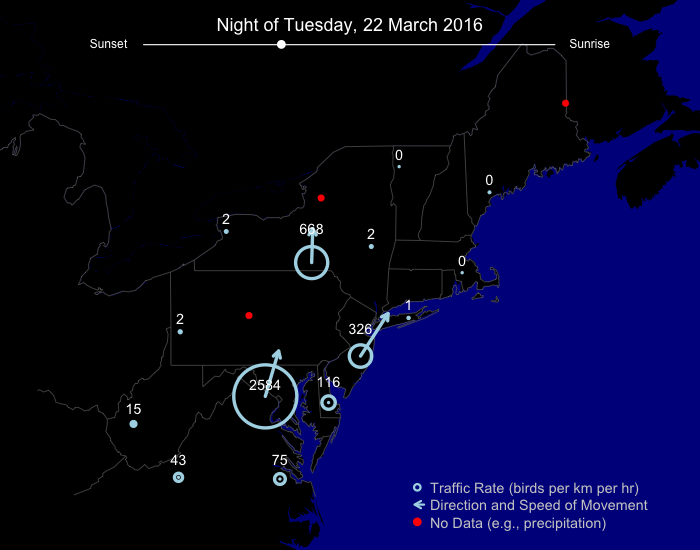
Welcome to our first spring 2016 installment of the traffic report describing northeast US nocturnal bird migration traffic rates, as calculated from a completely automated pipeline of algorithms. The images you see in Traffic Reports present the migration traffic rate (MTR), direction…
 April 8, 2016Regional Migration Forecast: 8-15 April 2016
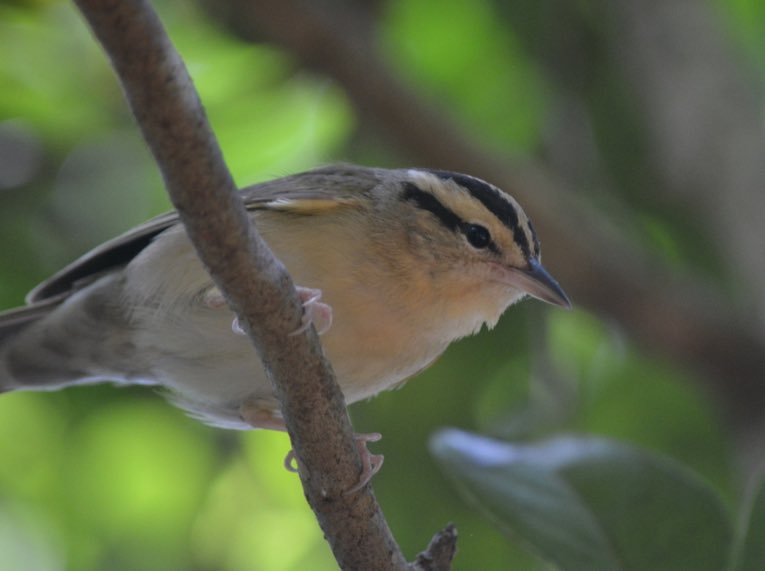
Warming conditions, occasionally punctuated with scattered precipitation, will generally see light to moderate flights across the West, particularly during the second half of the period, while a cold and quiet start to the weekend in the East will change markedly to begin (and end) the work week with moderate to locally heavy flights.
 April 8, 2016Regional Migration Analysis: 1-8 April 2016
Moderate movements including White-faced Ibis, Swainson’s Hawk, Nashville Warbler, MacGillivray’s Warbler, Lazuli Bunting, and Black-headed Grosbeak highlighted the period in the West, particularly along the Pacific Coast and in the Desert Southwest, while moderate to locally heavy movements featuring Spotted Sandpiper, Yellow-billed Cuckoo, Chimney Swift, Red-eyed Vireo, Cliff Swallow, Northern Parula, and Blue Grosbeak graced the southern reaches of the East.
 April 1, 2016Regional Migration Forecast: 1-8 April 2016
Favorable conditions this weekend and later in the workweek will bring light to moderate movements including Green Heron, Caspian Tern, Ash-throated Flycatcher, Nashville Warbler, and Brewer’s Blackbird through the West, while cooler weather following two strong frontal passages will contrast starkly with the period’s favorable conditions and their moderate to heavy flights of Snowy Egret, American Bittern, Broad-winged Hawk, Virginia Rail, Upland Sandpiper, Whimbrel, Cliff Swallow, Ovenbird, Black-throated Green Warbler, Palm Warbler, Blue Grosbeak, and Indigo Bunting in the East.
News
Scientific Team
BirdCast is made possible by the participating scientists at the below institutions, and many other contributors.