


 March 31, 2017Regional Migration Analysis: 24-31 March 2017
Scattered among the West’s areas of persistent precipitation during were light to moderate flights featuring Turkey Vulture, Greater Yellowlegs, Black-headed Grosbeak, and Hooded Oriole, while pulses of similarly intense flights featuring Great Egret, Eastern Kingbird, Barn Swallow, Brown Thrasher, Prothonotary Warbler, and Louisiana Waterthrush occurred in advance of multiple frontal passages in the East.
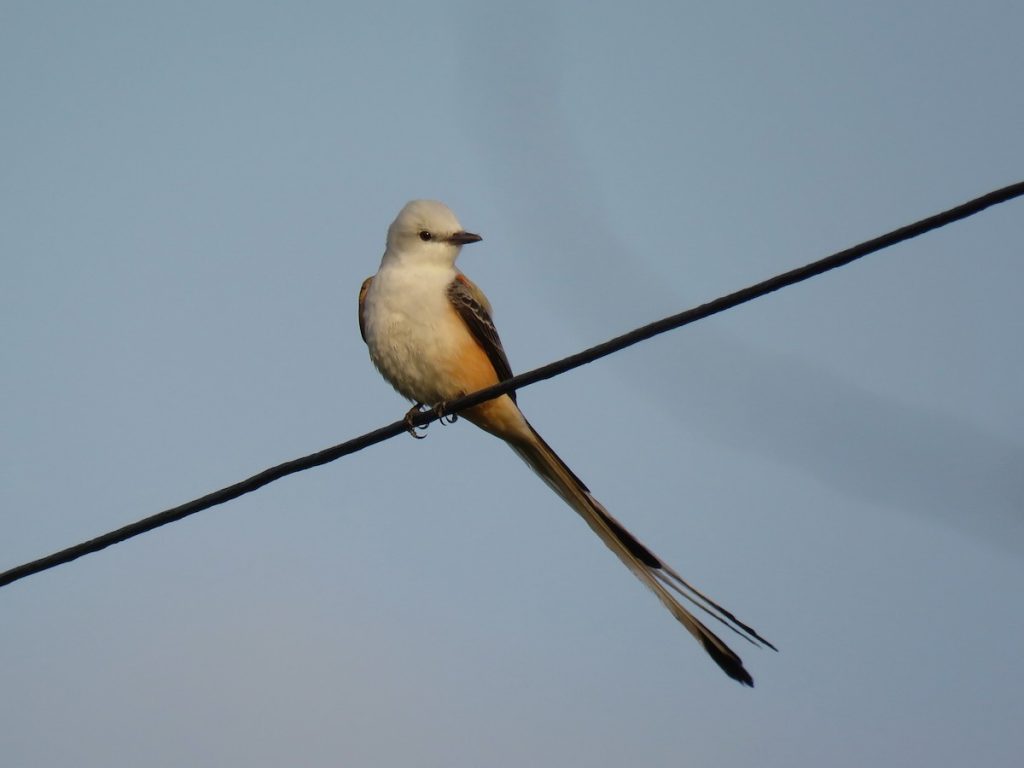 March 28, 2017Species on the move: 28 March 2017
The last several days have seen significant movements of birds in the US. Here are the highlights:
On March 20th, we predicted a big influx of Scissor-tailed Flycatchers:
We can now report that they have indeed delivered! The proportion of eBird checklists…
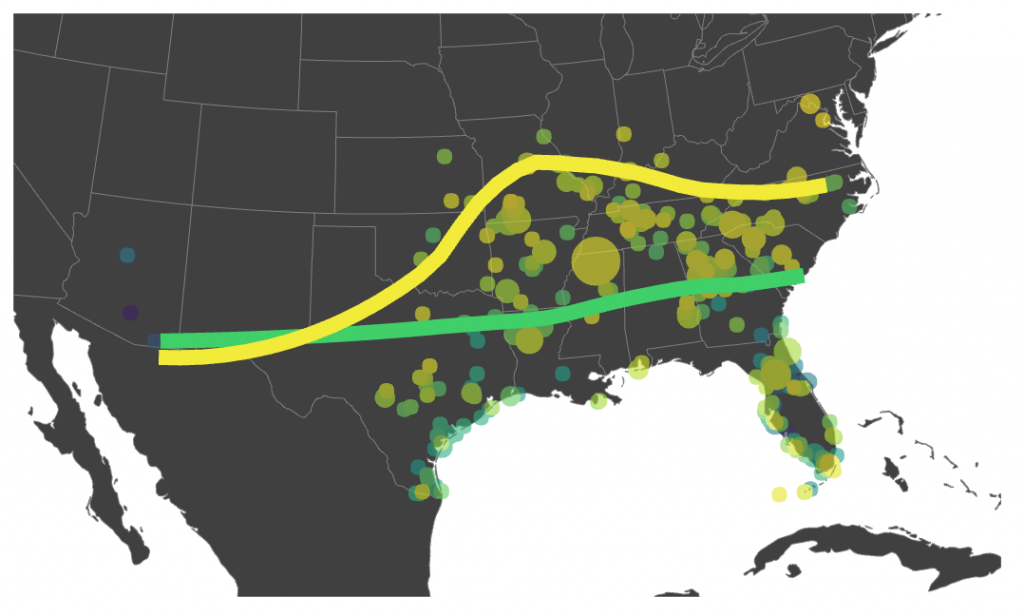 March 25, 2017Species on the move: 25 March 2017
Species currently on the move in the United States include:
birdcast/28.embed
birdcast/16.embed
birdcast/18.embed
birdcast/20.embed
birdcast/22.embed
birdcast/24.embed
birdcast/26.embed
 March 24, 2017Regional Migration Forecast: 24-31 March 2017
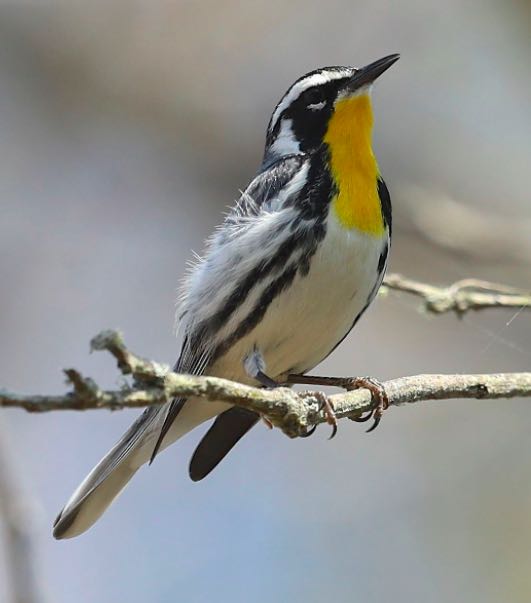
The West will see a mix of marginal migration conditions spawning scattered light to moderate movements featuring Caspian Tern, Cassin’s Vireo, Barn Swallow, American Pipit, Black-throated Gray Warbler, Savannah Sparrow, and Golden-crowned Sparrow, while light to locally heavy flights in the first half of the period and to end the period in the East will feature Sharp-shinned Hawk, Franklin’s Gull, Northern Rough-winged Swallow, Great Crested Flycatcher, Pine Warbler, Yellow-throated Warbler, Yellow-headed Blackbird, Orchard Oriole, and Field Sparrow. The forecast for late in this period also suggests the first significant chance for fallouts and concentrations of migrants along the Gulf Coast.
 March 24, 2017Regional Migration Analysis: 17-24 March 2017
The West experienced light to moderate movements early in the period, primarily in the southern reaches of the region, featuring Osprey, Pacific-slope Flycatcher, Western Kingbird, Barn Swallow, Warbling Vireo, and Grace’s Warbler, while the central and southern portions of the East experienced light to moderate flights featuring Great Blue Heron, Osprey, American Golden-Plover, Lesser Yellowlegs, Pectoral Sandpiper, Black-chinned Hummingbird, Scissor-tailed Flycatcher, and Louisiana Waterthrush. The greatest extent of these movements occurred in the West on 17-18 March and in the East on 23-24 March.
 March 21, 2017Project Update: Visualizing Migration
This spring, we’ll be tracking migration from many angles. New interactive maps made with eBird data will give us a bird’s-eye view of migration in progress. We’ll also make use of line graphs showing the percent of eBird checklists reporting species through time. And follow us on Twitter!
 March 17, 2017Regional Migration Forecast: 17-24 March 2017
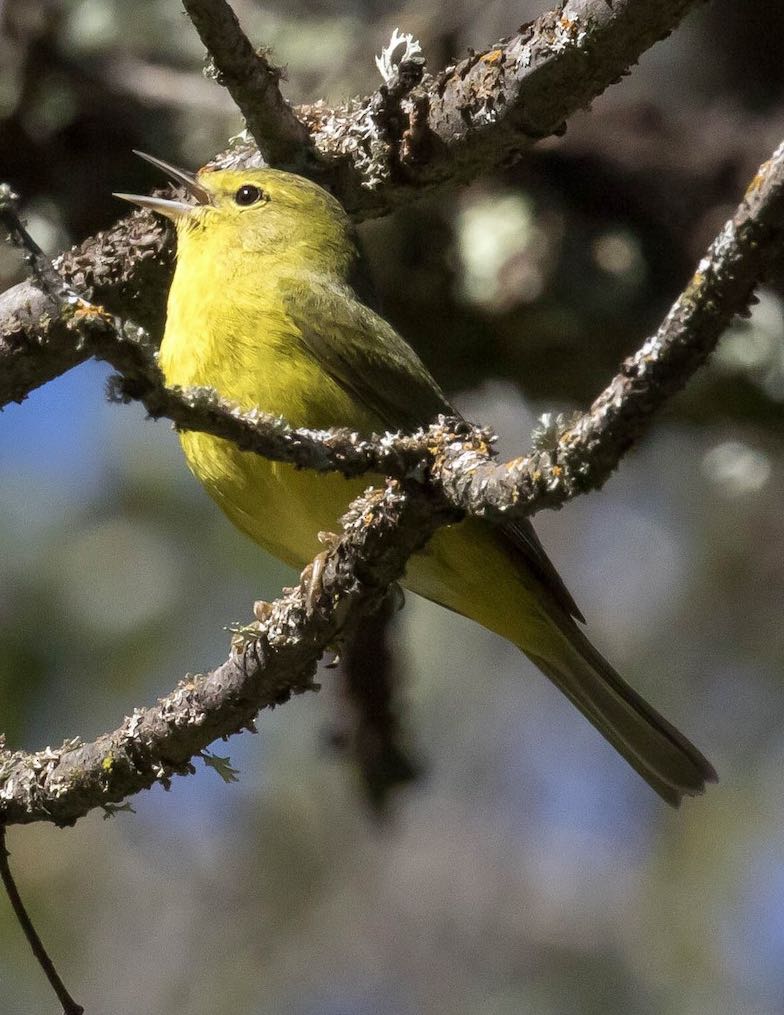
A week of often favorable migration conditions punctuated with scattered precipitation will see light to moderate flights in many areas of the West that will feature American White Pelican, Black-chinned Hummingbird, Pacific-slope Flycatcher, Orange-crowned Warbler, White-crowned Sparrow, and Hooded Oriole, while cooler temperatures in the East alternate with some pulses of marginally favorable migration conditions that feature light to moderate movements of Common Loon, Double-crested Cormorant, Broad-winged Hawk, Northern Flicker, Purple Martin, Golden-crowned Kinglet, and Prairie Warbler.
 March 17, 2017Regional Migration Analysis: 10-17 March 2017
Light to moderate flights in the West, primarily in California and the Desert Southwest, featured Black-chinned Hummingbird, Western Kingbird, Pacific-slope Flycatcher, Warbling Vireo, Wilson’s Warbler, and Hooded Oriole, while a mostly quiet and cooler East saw locally moderate movements featuring Swainson’s Hawk, Lesser Yellowlegs, Pectoral Sandpiper, Hooded Warbler, Fox Sparrow, and Chipping Sparrow.
 March 10, 2017Regional Migration Forecast: 10-17 March 2017
A pulse of widespread light to moderate movements in favorable migration conditions comes to the West on Tuesday, Wednesday, and Thursday with species on the move including Rufous Hummingbird, Western Kingbird, Orange-crowned Warbler, Lucy’s Warbler, Hooded Oriole, and Scott’s Oriole, while highly variable, and in some cases extreme wintry, weather halts and starts mostly light to moderate flights that will include Blue-winged Teal, Green-winged Teal, Osprey, Killdeer, Greater Yellowlegs, Baird’s Sandpiper, Pectoral Sandpiper, Yellow-throated Vireo, Blue-gray Gnatcatcher, Louisiana Waterthrush, and Field Sparrow.
 March 10, 2017Regional Migration Analysis: 3-10 March 2017
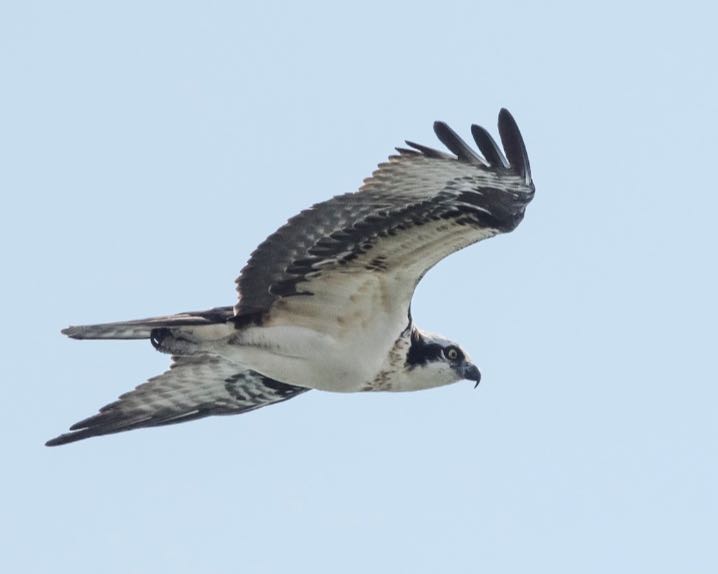
Scattered light to moderate movements, primarily in California and the Desert Southwest, punctuated the early migration scene in the West and featured Swainson’s Hawk, Pacific-slope Flycatcher, Ash-throated Flycatcher, Bell’s Vireo, Sage Thrasher, and Hooded Oriole, while light to moderate flights in the southern states featured Blue-winged Teal, Osprey, Chuck-will’s-widow, Eastern Phoebe, Tree Swallow, Marsh Wren, and Summer Tanager.
 March 3, 2017Regional Migration Forecast: 3-10 March 2017
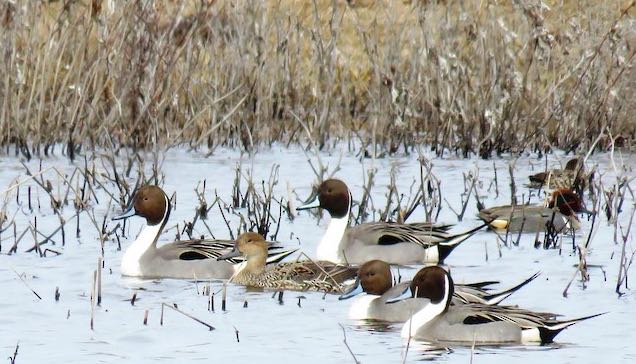
A favorable weekend forecast will see light to locally moderate flights of numerous species of waterfowl, Tree Swallow, Northern Rough-winged Swallow, and Ruby-crowned Kinglet in the West, while a weekend blast of winter cold precedes a serious of much more favorable spring like days with moderate to locally heavy flights of waterfowl, Killdeer, Eastern Phoebe, and Red-winged Blackbird in the East.
 February 28, 2017Migration Update: Spring 2017 and BirdCast: Tomorrow and tomorrow and tomorrow . . .
Did Team BirdCast say spring 2017 and it’s only February? Are we incorrect in saying this on two conflicting fronts, first because of the record winter warmth in many parts of the US that already seems like spring (or summer!) and second because of the date on the calendar? Well, we may be incorrect because of the date on the calendar, but birds have been on the move for many weeks now. And the warm temperatures in many areas of the country have no doubt played a large role in some of the magnitude of these movements. Here’s just a sample of what’s on the move in the last week, to whet your appetite for our upcoming weekly migration forecast and analysis features.
News
Scientific Team
BirdCast is made possible by the participating scientists at the below institutions, and many other contributors.