


Regional Migration Analysis: 7-14 October 2016
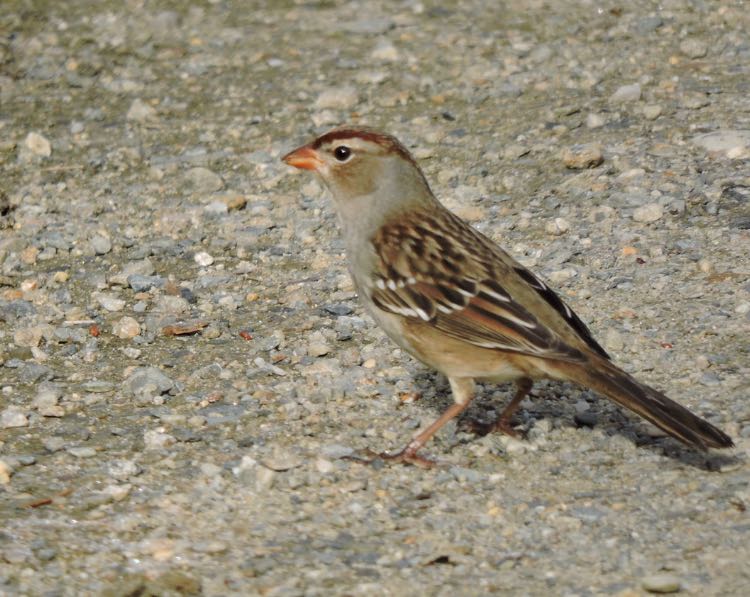
White-crowned Sparrow. Bill Lee/Macaulay Library. eBird S32027821.
Continental Summary
Locally light and moderate flights featuring Cackling Goose, Common Loon, Pacific Loon, White-winged Scoter, Ferruginous Hawk, Dunlin, Merlin, White-throated Sparrow, Golden-crowned Sparrow, and Fox Sparrow punctuated the migration scene in the West during this period, while an early and late pulse of moderate and heavy movements featuring Pied-billed Grebe, Black Vulture, Northern Harrier, Yellow-bellied Sapsucker, American Pipit, Marsh Wren, Orange-crowned Warbler, White-crowned Sparrow, Nelson’s Sparrow, Le Conte’s Sparrow, and Dark-eyed Junco graced the East.
Curious what birds will move next? Check out our forecast.
[animation name=”analysis-7-14-october-2014″]
Need a review of our definitions for regions, species on the move, and migration amounts? Please visit this link.
Quick Links to Regions
Upper Midwest and Northeast |
Gulf Coast and Southeast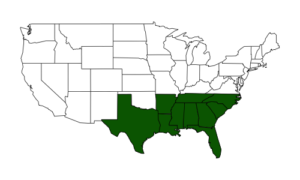 |
Great Plains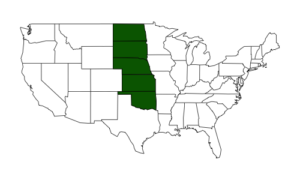 |
West |
Upper Midwest and Northeast
Moderate to locally very heavy flights were widespread in the region for the weekend as a strong frontal system passed. Moderate flights persisted into the beginning of the work week, though mostly in coastal locations where conditions remained favorable for flying. Farther west, southerly flow and scattered precipitation kept the scene much more quiet. By Wednesday night, another frontal boundary pushing through the Great Lakes and Ohio River Valley spawned moderate to heavy flights in the Upper Midwest. With the continued movement of this frontal boundary to the east, and eventually out of the region on Thursday night, moderate to locally heavy flights became more extensive.
Top Movers
[expand title=”Increasing” tag=”h3″]
[table sort=”,desc” tablesorter=”true”]
Species,Increase from Last Week[attr style=”color:green”],% of Checklists Reporting
White-crowned Sparrow,192%,7.4
Dark-eyed Junco,148%,7.8
White-throated Sparrow,105%,20.6
Golden-crowned Kinglet,121%,8.5
Swamp Sparrow,92%,10.9
Yellow-rumped Warbler,67%,23.4
Orange-crowned Warbler,133%,2.6
Ruby-crowned Kinglet,41%,12.7
Winter Wren,75%,2.6
Lincoln’s Sparrow,66%,7.1
Nelson’s Sparrow,139%,1.1
Ruddy Duck,79%,2.3
Brown Creeper,62%,4.5
Harris’s Sparrow,133%,0.6
Fox Sparrow,156%,0.5
Pied-billed Grebe,52%,7.8
Yellow-bellied Sapsucker,41%,6.8
Ring-necked Duck,72%,0.9
Le Conte’s Sparrow,172%,0.3
Northern Gannet,98%,0.7
Savannah Sparrow,37%,6.9
Northern Rough-winged Swallow,62%,2.3
Hermit Thrush,49%,2.2
Black Scoter,73%,0.8
[/table]
[/expand]
[expand title=”Decreasing” tag=”h3″]
[table sort=”,asc” tablesorter=”true”]
Species,Decrease from Last Week[attr style=”color:red”],% of Checklists Reporting
Broad-winged Hawk,-75%,1.3
Red-eyed Vireo,-57%,6.1
White-eyed Vireo,-57%,1.3
Ruby-throated Hummingbird,-45%,5.8
Green Heron,-50%,2.2
American Redstart,-34%,9
Eastern Wood-Pewee,-38%,5.9
Yellow-throated Vireo,-69%,0.6
Swainson’s Thrush,-37%,5.7
Gray Catbird,-26%,30.8
Philadelphia Vireo,-53%,1.5
Brown Thrasher,-40%,4.6
Pine Warbler,-46%,3.3
Northern Parula,-47%,6
Cedar Waxwing,-30%,12.6
Warbling Vireo,-80%,0.3
Least Sandpiper,-46%,2.4
Semipalmated Sandpiper,-56%,1.1
Semipalmated Plover,-48%,1.6
Magnolia Warbler,-36%,9.4
Chestnut-sided Warbler,-40%,2.2
Lesser Yellowlegs,-36%,3.1
House Wren,-26%,8.6
[/table]
[/expand]
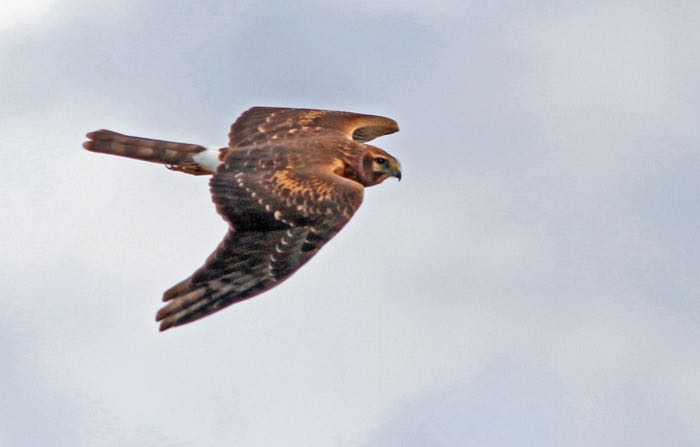
Northern Harrier. Kris Petersen/Macaulay Library. eBird S32016848.
Gulf Coast and Southeast
Moderate to very heavy flights were the norm across the region to begin the period. This was particularly true in more eastern locations with the favorable winds and clear skies associated with the passage of Hurricane Matthew. Some entrainment and displacement of seabirds was associated with the passage of this storm, including inland reports of Black-capped Petrel and Sooty Tern. The days that followed saw generally decreasing extents and intensities of flights, as more southerly flow less favorable to migration set up shop in the region. But migrants took flight again on Wednesday and Thursday nights in increasingly more widespread and intense flights as a cooler air mass with northerly winds arrive.
Top Movers
[expand title=”Increasing” tag=”h3″]
[table sort=”,desc” tablesorter=”true”]
Species,Increase from Last Week[attr style=”color:green”],% of Checklists Reporting
Ruby-crowned Kinglet,557%,5.7
Tennessee Warbler,119%,12.9
Nashville Warbler,248%,4.6
Palm Warbler,72%,12.3
House Wren,112%,5.4
Pied-billed Grebe,76%,10.2
Orange-crowned Warbler,674%,1.5
Yellow-rumped Warbler,300%,1.8
Swainson’s Thrush,59%,14.1
Northern Waterthrush,101%,7.1
Gray Catbird,48%,22.3
Golden-winged Warbler,196%,2.5
Blackburnian Warbler,137%,4.6
Magnolia Warbler,49%,14.8
Peregrine Falcon,93%,3.6
Marsh Wren,166%,1.9
Northern Harrier,84%,4
Rose-breasted Grosbeak,46%,9.4
Northern Flicker,37%,13.2
American Kestrel,43%,8.2
Yellow-bellied Sapsucker,283%,0.9
[/table]
[/expand]
[expand title=”Decreasing” tag=”h3″]
[table sort=”,asc” tablesorter=”true”]
Species,Decrease from Last Week[attr style=”color:red”],% of Checklists Reporting
Baltimore Oriole,-46%,2.3
Eastern Kingbird,-44%,1.8
Great Crested Flycatcher,-34%,2.7
Cassin’s Sparrow,-82%,0
Orchard Oriole,-59%,0.2
Gray Kingbird,-73%,0.1
Purple Martin,-53%,0.3
Semipalmated Sandpiper,-42%,0.8
Prothonotary Warbler,-50%,0.6
Green Heron,-24%,7.6
Bell’s Vireo,-84%,0
Wilson’s Phalarope,-74%,0.1
Ruby-throated Hummingbird,-11%,22
Short-billed Dowitcher,-30%,1
Killdeer,-11%,12.1
Common Nighthawk,-36%,0.7
American Goldfinch,-11%,9.2
Semipalmated Plover,-18%,2.7
Louisiana Waterthrush,-74%,0.1
[/table]
[/expand]
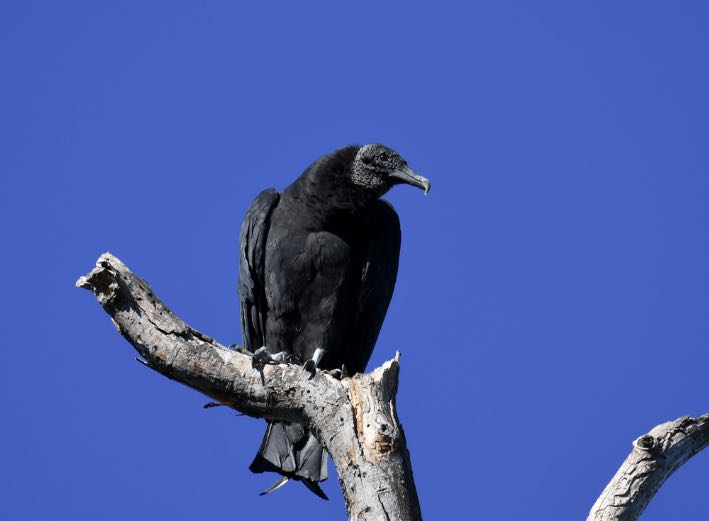
Black Vulture. Brian Henderson/Macaulay Library. eBird S31992765.
Great Plains
Scattered moderate and heavy movements occurred on several days during the period, never reaching region wide extents. The northern and eastern Plains saw action to begin the period, continuing into the early part of the work week. The most intense flights of the week occurred in the central Plains on Tuesday night, amidst scattered precipitation of a passing low pressure system, and the following night in the central and southern Plains with the passage of this system.
Top Movers
[expand title=”Increasing” tag=”h3″]
[table sort=”,desc” tablesorter=”true”]
Species,Increase from Last Week[attr style=”color:green”],% of Checklists Reporting
Dark-eyed Junco,210%,11.6
Lincoln’s Sparrow,105%,9.8
Ruby-crowned Kinglet,75%,20.1
California Gull,911%,2.1
Harris’s Sparrow,96%,6.3
Black Vulture,566%,2.4
Yellow-rumped Warbler,73%,22.2
Bald Eagle,76%,11.5
Savannah Sparrow,74%,8.9
White-crowned Sparrow,73%,9.1
Golden-crowned Kinglet,228%,1.3
Swamp Sparrow,121%,2.4
White-throated Sparrow,40%,9.2
American Pipit,131%,2
Black-billed Magpie,168%,2.1
Song Sparrow,38%,8.3
White-breasted Nuthatch,27%,21.6
Brown Creeper,185%,1
Common Yellowthroat,47%,6
Vesper Sparrow,36%,7.1
Bonaparte’s Gull,87%,1.4
Fox Sparrow,55%,1.4
[/table]
[/expand]
[expand title=”Decreasing” tag=”h3″]
[table sort=”,asc” tablesorter=”true”]
Species,Decrease from Last Week[attr style=”color:red”],% of Checklists Reporting
Yellow Warbler,-91%,0.3
Ruby-throated Hummingbird,-64%,3.8
Common Tern,-87%,0.1
Caspian Tern,-99%,0
Wilson’s Warbler,-65%,1.5
Least Flycatcher,-83%,0.5
Black-and-white Warbler,-100%,0
Say’s Phoebe,-83%,0.2
Peregrine Falcon,-58%,1.3
Snowy Egret,-45%,3.7
American Wigeon,-48%,1.9
Blue-winged Teal,-38%,8.9
Great Horned Owl,-49%,2.5
Chimney Swift,-36%,8
Cattle Egret,-55%,1.2
Common Nighthawk,-48%,2
Semipalmated Sandpiper,-61%,0.8
Green Heron,-52%,0.6
Great Egret,-21%,17.7
Barn Swallow,-31%,10
Black Tern,-63%,0.7
Northern Shoveler,-20%,6.4
Least Sandpiper,-34%,3.5
Brown Thrasher,-49%,4.2
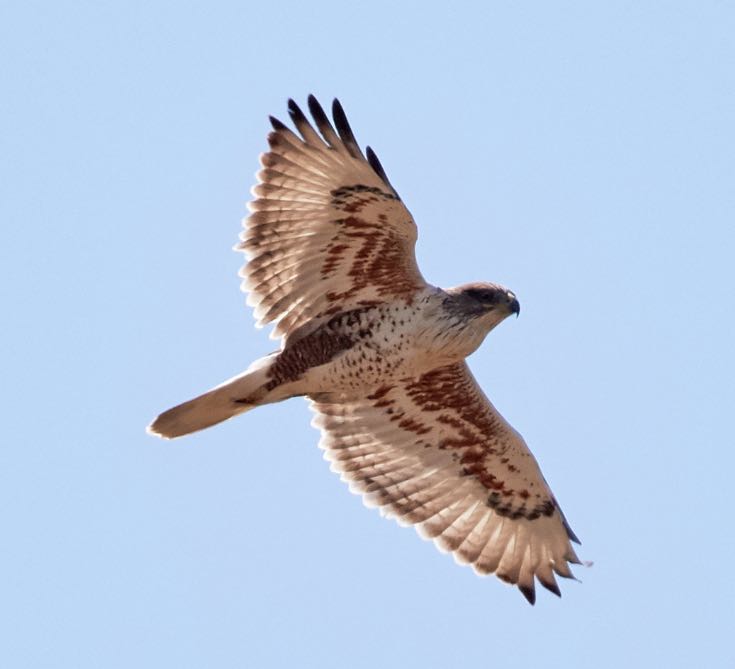
Ferruginous Hawk. Brooke Miller/Macaulay Library. eBird S31919065.
West
Locally moderate flights occurred in the region during the first half of the forecast period. These were notably in the Central Valley of California on Friday and Saturday nights, and also in the Pacific Northwest on Monday night. The second half of the period saw the greatest extent of movements on Tuesday night, with light to moderate flights scattered from the coastal mountain ranges east into the northern and southern Rockies. Light to moderate flights ended the period, particularly in more southerly reaches of the region. Note that isolated heavy movements also took place in New Mexico on Wednesday night, associated with more extensive flights to the east in favorable conditions behind a frontal passage.
Top Movers
[expand title=”Increasing” tag=”h3″]
[table sort=”,desc” tablesorter=”true”]
Species,Increase from Last Week[attr style=”color:green”],% of Checklists Reporting
Cackling Goose,83%,3.4
American Pipit,80%,7.2
Golden-crowned Sparrow,37%,16.1
Hermit Thrush,47%,4.2
Yellow-rumped Warbler,30%,27.7
Palm Warbler,281%,0.8
Common Loon,44%,4.2
Dunlin,89%,1.6
Fox Sparrow,35%,8.3
Ruby-crowned Kinglet,23%,15
Surf Scoter,41%,4.5
Greater White-fronted Goose,51%,2.7
White-throated Sparrow,109%,0.9
White-winged Scoter,76%,1.4
Bald Eagle,36%,4.2
Ferruginous Hawk,86%,0.9
White-crowned Sparrow,15%,34.5
American Wigeon,21%,8.6
Red-throated Pipit,1960%,0.2
Red-throated Loon,72%,1
Merlin,40%,2.7
Pacific Loon,46%,1.5
Golden-crowned Kinglet,21%,6.6
Greater Scaup,73%,0.6
[/table]
[/expand]
[expand title=”Decreasing” tag=”h3″]
[table sort=”,asc” tablesorter=”true”]
Species,Decrease from Last Week[attr style=”color:red”],% of Checklists Reporting
Pacific-slope Flycatcher,-57%,2
Wilson’s Warbler,-53%,4.4
Yellow Warbler,-52%,4.7
Western Wood-Pewee,-49%,1.9
White-faced Ibis,-55%,1.8
Willow Flycatcher,-59%,0.8
Caspian Tern,-42%,2.3
Red-necked Phalarope,-53%,0.9
Vaux’s Swift,-42%,1.4
Broad-tailed Hummingbird,-57%,0.5
MacGillivray’s Warbler,-54%,0.7
Barn Swallow,-36%,7
Western Tanager,-36%,3.4
Lesser Nighthawk,-90%,0
Black-chinned Hummingbird,-43%,1.2
Sabine’s Gull,-61%,0.8
Hooded Oriole,-74%,0.1
Cliff Swallow,-70%,0.3
Violet-green Swallow,-34%,1.8
Olive-sided Flycatcher,-71%,0.1
Snowy Egret,-25%,8.3
Wilson’s Phalarope,-76%,0.1
Dusky Flycatcher,-79%,0.1
Blue Grosbeak,-43%,0.6
Stilt Sandpiper,-94%,0
[/table]
[/expand]
–––––––––––––––––––––––––––––––––––
Farnsworth and Van Doren
Scientific Team
BirdCast is made possible by the participating scientists at the below institutions, and many other contributors.