


Regional Migration Analysis: 5-19 May 2017
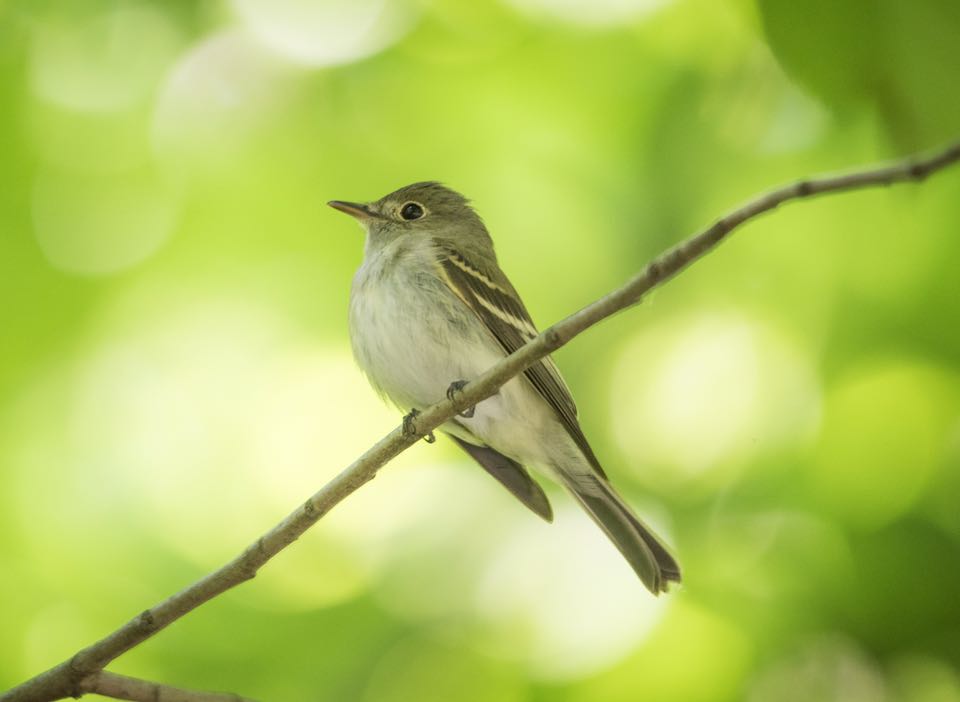
Acadian Flycatcher. Tyler Flicker/Macaulay Library. eBird S36894510.
Continental Summary
BirdCast regional analyses return after our global big day absence! Widespread light and moderate to locally heavy flights characterized the first days of this long forecast period in the West and featured Willow Flycatcher, Dusky Flycatcher, Western Wood-Pewee, Swainson’s Thrush, MacGillivray’s Warbler, Yellow Warbler, and Black-headed Grosbeak, while moderate to very heavy flights occurred in the latter two thirds of the two-week period in the East, first in the Plains and then farther to the coasts, featuring Alder Flycatcher, Yellow-bellied Flycatcher, Philadelphia Vireo, Bay-breasted Warbler, Magnolia Warbler, Canada Warbler, and Wilson’s Warbler.
Curious what birds will move next? Check out our forecast.
[animation name=”analysis-5-19-may-2017″]
Need a review of our definitions for regions, species on the move, and migration amounts? Please visit this link.
Quick Links to Regions
Upper Midwest and Northeast |
Gulf Coast and Southeast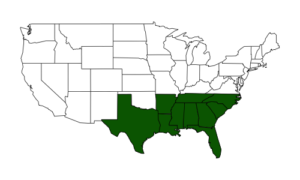 |
Great Plains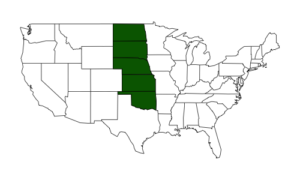 |
West |
Upper Midwest and Northeast
A strong frontal passage in the first days of the period kept most migrants on the ground away from the Upper Midwest, where locally moderate to heavy flights persisted. These flights intensified in the days that followed, building into the Ohio River valley by 8-9 May. These flights never became widespread across the region, as another frontal passage kept birds on the ground in precipitation as it passed 10-12 May. However, some locally intense flights continued around the region during this passage, in particular in coastal and Great Lakes locations. The passage of this strong low pressure system through the Northeast kept a set of primarily unfavorable and marginal migration condition in place there, while the remainder of the region experienced moderate to heavy flights through 15-16 May. It was not until 16-17 May that more extensive intense movements reached areas of the coast and New England. By the end of the period, locally moderate and isolated heavy flights were scattered across the region as more marginal conditions with precipitation filled into many areas of the region.
Top Movers
[expand title=”Increasing” tag=”h3″]
[table sort=”,desc” tablesorter=”true”]
Species,Increase from Last Week[attr style=”color:green”],% of Checklists Reporting
Magnolia Warbler,1062%,16.4
Eastern Wood-Pewee,1449%,13.7
Chestnut-sided Warbler,691%,16.6
Least Flycatcher,670%,12
Blackburnian Warbler,750%,10.7
American Redstart,203%,29.6
Tennessee Warbler,695%,10
Wilson’s Warbler,21894%,7.1
Red-eyed Vireo,185%,26.1
Bay-breasted Warbler,2329%,6.3
Swainson’s Thrush,251%,13
Canada Warbler,8689%,4.8
Indigo Bunting,148%,18.4
Scarlet Tanager,166%,19.5
Nashville Warbler,190%,14.2
Philadelphia Vireo,3337%,2.1
Ruby-throated Hummingbird,189%,12.6
Great Crested Flycatcher,127%,24.1
Acadian Flycatcher,406%,4
Rose-breasted Grosbeak,109%,26.6
Common Yellowthroat,99%,38.9
Warbling Vireo,109%,23.2
Blackpoll Warbler,284%,9.3
[/table]
[/expand]
[expand title=”Decreasing” tag=”h3″]
[table sort=”,asc” tablesorter=”true”]
Species,Decrease from Last Week[attr style=”color:red”],% of Checklists Reporting
White-throated Sparrow,-59%,12.9
Greater Yellowlegs,-59%,2.7
Blue-winged Teal,-61%,2.3
Ruby-crowned Kinglet,-46%,8.3
Solitary Sandpiper,-53%,3.6
Lesser Yellowlegs,-57%,2.7
Bufflehead,-83%,0.5
Yellow-rumped Warbler,-26%,23.6
Swamp Sparrow,-30%,7.3
Tufted Titmouse,-15%,29.9
Palm Warbler,-28%,8.9
Hermit Thrush,-40%,2.8
Northern Shoveler,-56%,1.2
Belted Kingfisher,-27%,6.4
Carolina Wren,-18%,15.9
Purple Finch,-37%,3
Sharp-shinned Hawk,-53%,0.9
Dark-eyed Junco,-50%,2
Lesser Scaup,-74%,0.4
Eastern Towhee,-16%,17.2
Pectoral Sandpiper,-56%,0.7
Louisiana Waterthrush,-33%,2.7
Osprey,-21%,8.4
American Coot,-41%,1.9
Horned Grebe,-77%,0.2
[/table]
[/expand]
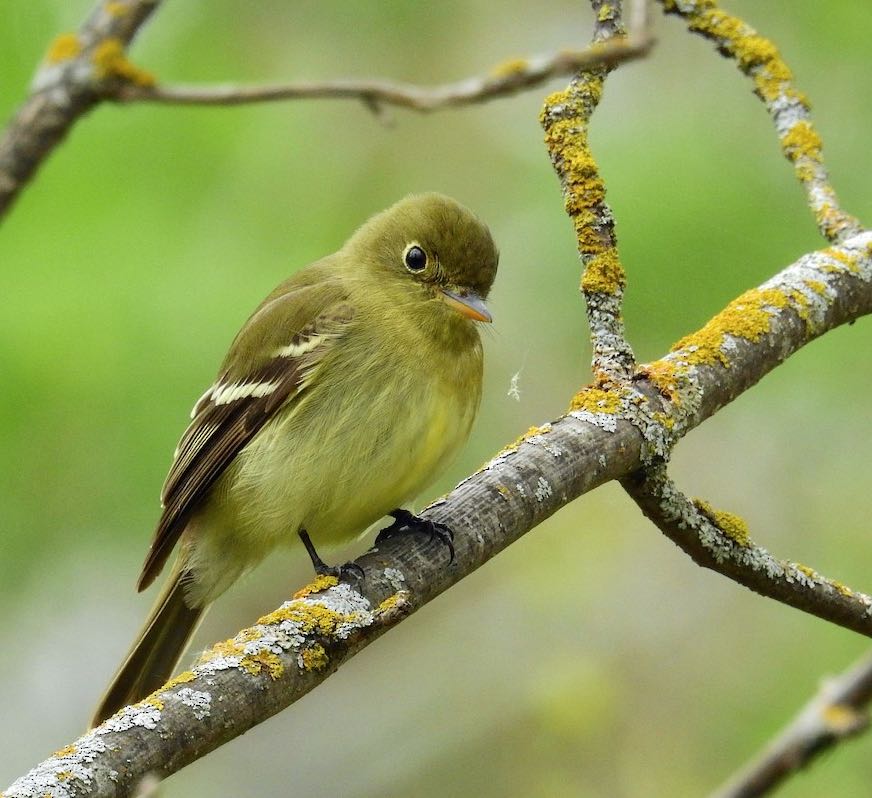
Yellow-bellied Flycatcher. Sandy Aubol/Macaulay Library. eBird S36948706.
Gulf Coast and Southeast
Moderate to heavy flights dominated the migration scene for the first 5-6 nights of the period, in particular to the west of the Mississippi River. A frontal passage around 12-13 May quieted these flights, and generally slowed movements across the region. This frontal passage was intense and extensive, muting trans-Gulf flights for the days that followed in the central Gulf of Mexico region in particular. This was perhaps most noticeable in the distribution of nocturnal flights from 14-19 May, for example the lower magnitude flights in portions of the central and eastern Gulf states. By the end of the period, most of the action, which was represented by moderate intensity flights, was in Texas and Peninsular Florida.
Top Movers
[expand title=”Increasing” tag=”h3″]
[table sort=”,desc” tablesorter=”true”]
Species,Increase from Last Week[attr style=”color:green”],% of Checklists Reporting
Yellow-billed Cuckoo,65%,13.2
Acadian Flycatcher,61%,6.4
Red-headed Woodpecker,41%,6.2
Canada Warbler,68%,2.7
Eastern Wood-Pewee,19%,12.3
Spotted Sandpiper,16%,8.9
White-rumped Sandpiper,26%,2.6
Yellow-bellied Flycatcher,73%,0.6
Green Heron,6%,11.8
Little Blue Heron,6%,10
Olive-sided Flycatcher,24%,0.8
Prothonotary Warbler,10%,4.9
Black Skimmer,11%,2.5
[/table]
[/expand]
[expand title=”Decreasing” tag=”h3″]
[table sort=”,asc” tablesorter=”true”]
Species,Decrease from Last Week[attr style=”color:red”],% of Checklists Reporting
Rose-breasted Grosbeak,-87%,1.7
Baltimore Oriole,-90%,1
Nashville Warbler,-98%,0.1
Tennessee Warbler,-84%,1.2
Black-and-white Warbler,-62%,4.9
Palm Warbler,-90%,0.4
Scarlet Tanager,-60%,4
Gray Catbird,-51%,9.4
Yellow-rumped Warbler,-84%,1.1
Lincoln’s Sparrow,-96%,0.1
Lesser Yellowlegs,-64%,2
Ovenbird,-54%,3.5
Bay-breasted Warbler,-73%,1.1
Northern Waterthrush,-61%,2
Black-throated Green Warbler,-55%,3.3
Laughing Gull,-35%,10.7
Savannah Sparrow,-77%,0.7
White-crowned Sparrow,-93%,0.1
Blue-winged Teal,-57%,2.5
White-throated Sparrow,-87%,0.3
Ruby-crowned Kinglet,-96%,0.1
Willet,-50%,3
Long-billed Dowitcher,-77%,0.5
[/table]
[/expand]
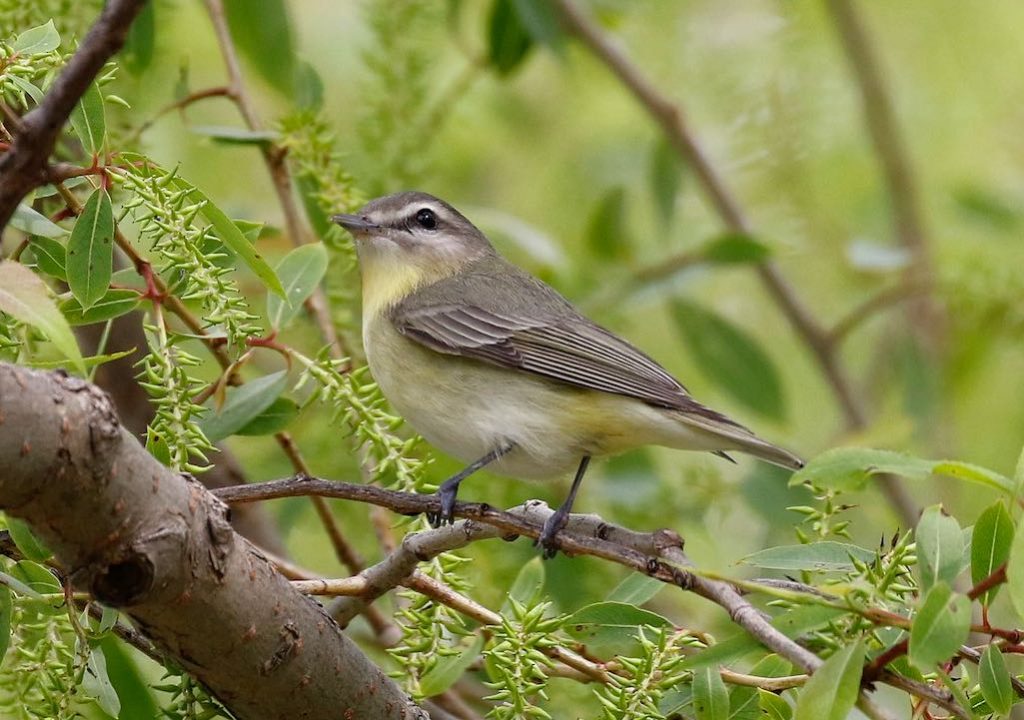
Philadelphia Vireo. David McQuade/Macaulay Library. eBird S36833439.
Great Plains
A series of moderate to heavy flights from 5-8 May kicked off this period, with the most intense and extensive movements on 6-7 May. More local moderate to heavy flights continued thereafter, mostly in the northern and central Plains, particularly on 12-13 May. Similarly intense and local flights continued through much of the remainder of the period. But 17-19 May saw a noticeable decline in intensities and extents as strong storms passed through the region, shutting down movements where they passed.
Top Movers
[expand title=”Increasing” tag=”h3″]
[table sort=”,desc” tablesorter=”true”]
Species,Increase from Last Week[attr style=”color:green”],% of Checklists Reporting
Blackpoll Warbler,1179%,11.7
American Redstart,915%,13.5
Orchard Oriole,444%,19.8
Eastern Wood-Pewee,686%,14.9
Yellow Warbler,299%,42.4
Least Flycatcher,343%,20
Black Tern,1063%,6.6
Red-eyed Vireo,277%,21.4
Tennessee Warbler,484%,12.6
Gray Catbird,235%,22.4
Baltimore Oriole,163%,37
Philadelphia Vireo,1786%,3.4
Swainson’s Thrush,148%,29.8
Yellow-billed Cuckoo,739%,4.4
Magnolia Warbler,3278%,2.9
Eastern Kingbird,115%,31.5
Cedar Waxwing,192%,15.6
Acadian Flycatcher,1014%,3.5
Chestnut-sided Warbler,1409%,3.4
Alder Flycatcher,48923%,2.2
Western Kingbird,132%,23.1
Great Crested Flycatcher,123%,23.4
Ovenbird,509%,3.9
Black-headed Grosbeak,1010%,3.2
Wilson’s Warbler,535%,5
[/table]
[/expand]
[expand title=”Decreasing” tag=”h3″]
[table sort=”,asc” tablesorter=”true”]
Species,Decrease from Last Week[attr style=”color:red”],% of Checklists Reporting
White-crowned Sparrow,-84%,3.1
White-throated Sparrow,-84%,2.1
Lincoln’s Sparrow,-82%,2.9
Harris’s Sparrow,-79%,2.9
Ruby-crowned Kinglet,-85%,1.4
Orange-crowned Warbler,-76%,3.9
Franklin’s Gull,-78%,2.9
Yellow-rumped Warbler,-63%,10.9
Savannah Sparrow,-75%,2.9
Lesser Yellowlegs,-73%,3.6
Pied-billed Grebe,-67%,3.8
Osprey,-88%,0.4
Long-billed Dowitcher,-69%,2.3
Greater Yellowlegs,-70%,1.8
Forster’s Tern,-62%,3.5
Solitary Sandpiper,-75%,0.9
Double-crested Cormorant,-50%,6.9
Ring-billed Gull,-52%,4.4
American Coot,-44%,8.5
Bufflehead,-82%,0.5
Lesser Scaup,-59%,1.9
Baird’s Sandpiper,-51%,2.7
Ruddy Duck,-48%,3.2
Eared Grebe,-53%,1.9
Great Blue Heron,-22%,18.6
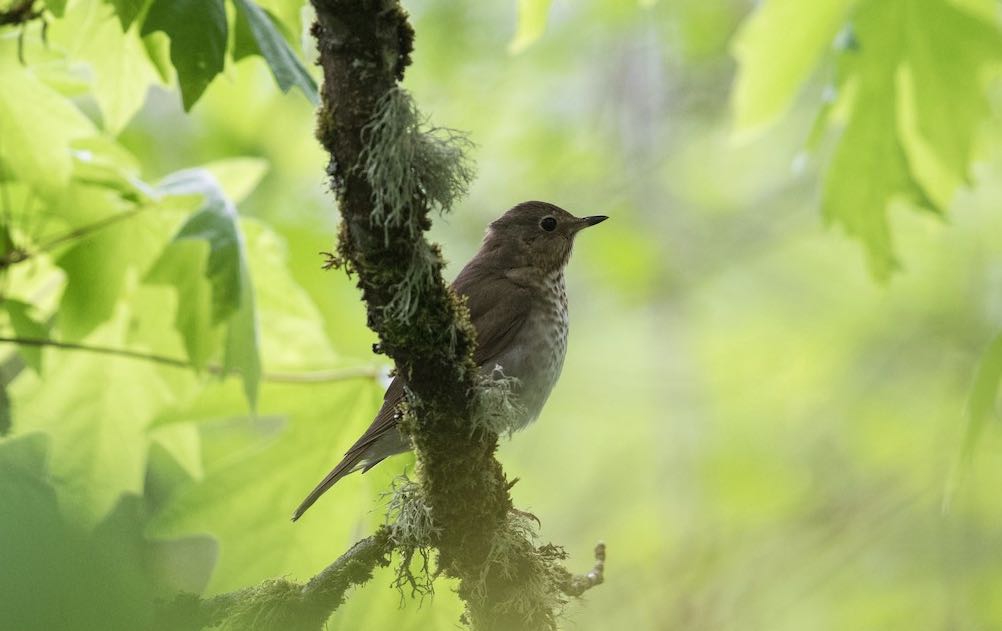
Swainson’s Thrush. Tony Varela/Macaulay Library. eBird S36893060.
West
Moderate to locally heavy flights occurred from 5-7 May, particularly from California and the Desert Southwest east and north along the Rockies. These flights shut down as widespread precipitation created much less favorable conditions, with largely light to locally moderate flights in the days that followed. California and Montana were exceptions, as more intense flights continued in those locations. By 11-12 May light to moderate flights were apparent, primarily in the Desert Southwest. But following these movements conditions were generally much less favorable for flights, with precipitation and unfavorable winds keeping migrants grounded in many areas. Light to locally moderate flights persisted in some locations through the period, especially in California and in portions of the Desert Southwest and northern and southern Rockies.
Top Movers
[expand title=”Increasing” tag=”h3″]
[table sort=”,desc” tablesorter=”true”]
Species,Increase from Last Week[attr style=”color:green”],% of Checklists Reporting
Western Wood-Pewee,359%,13.2
Yellow Warbler,127%,24.2
Swainson’s Thrush,236%,6.1
Black-headed Grosbeak,58%,23.3
Yellow-breasted Chat,104%,5.8
MacGillivray’s Warbler,132%,4.1
Cliff Swallow,44%,18
Willow Flycatcher,7463%,1.5
Western Kingbird,42%,16.4
Warbling Vireo,44%,11.8
Olive-sided Flycatcher,83%,3.3
Dusky Flycatcher,82%,3.2
Western Meadowlark,18%,16
Cedar Waxwing,37%,5.8
Bank Swallow,58%,3.2
Northern Rough-winged Swallow,17%,13.7
Horned Lark,19%,4.3
Chipping Sparrow,15%,9.5
[/table]
[/expand]
[expand title=”Decreasing” tag=”h3″]
[table sort=”,asc” tablesorter=”true”]
Species,Decrease from Last Week[attr style=”color:red”],% of Checklists Reporting
Western Sandpiper,-89%,0.5
Bufflehead,-84%,1
Golden-crowned Sparrow,-89%,0.6
Semipalmated Plover,-97%,0.1
Dunlin,-96%,0.1
Yellow-rumped Warbler,-41%,11.7
Green-winged Teal,-64%,2.1
Orange-crowned Warbler,-35%,9.6
Marbled Godwit,-79%,0.5
Nashville Warbler,-69%,1.1
Least Sandpiper,-103%,-0.1
Long-billed Dowitcher,-64%,1.3
Ruby-crowned Kinglet,-54%,2.6
American Wigeon,-60%,2.1
Black-throated Gray Warbler,-46%,3.3
Ruddy Duck,-35%,4.9
American Coot,-26%,10.6
Greater Yellowlegs,-69%,0.7
Whimbrel,-57%,1.2
White-faced Ibis,-44%,2.3
Black-bellied Plover,-70%,0.5
Western Grebe,-32%,4.5
Eared Grebe,-30%,4.1
Surf Scoter,-49%,1.3
Canada Goose,-11%,24.5
[/table]
[/expand]
–––––––––––––––––––––––––––––––––––
Farnsworth and Van Doren
Scientific Team
BirdCast is made possible by the participating scientists at the below institutions, and many other contributors.