


Regional Migration Analysis: 4-11 September 2015
Continental Summary
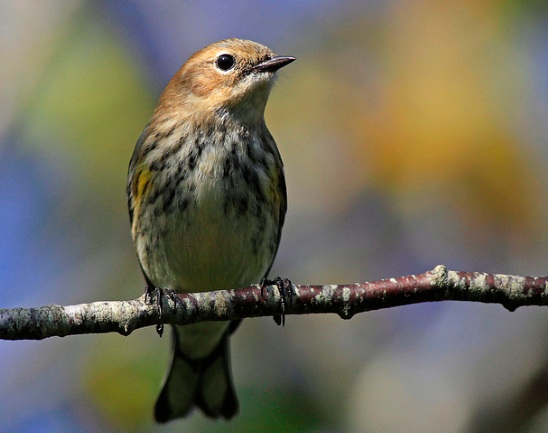
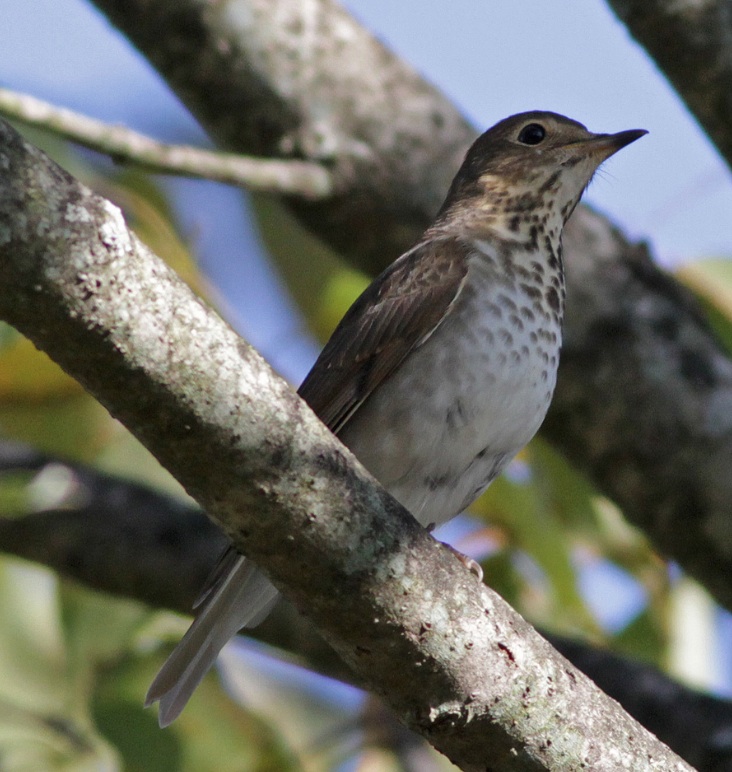
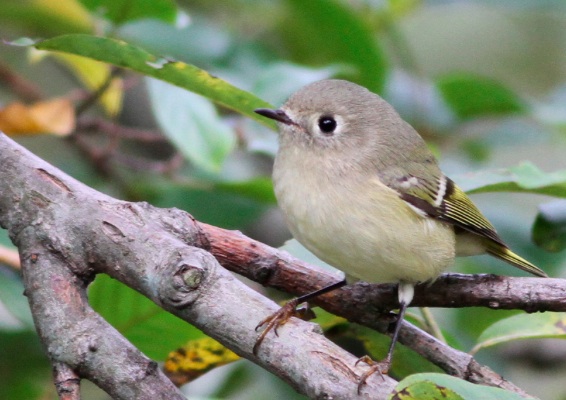
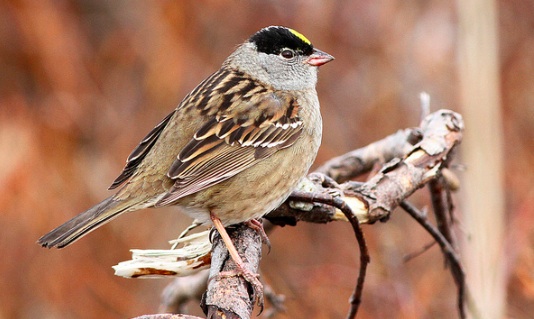
A big week for migration saw Ruby-crowned Kinglet, Orange-crowned Warbler, Yellow-rumped Warbler, Green-tailed Towhee, White-crowned Sparrow, and Golden-crowned Sparrow migrate in light to moderate flights across the West and Blue-winged Teal, Bald Eagle, Swainson’s Thrush, Ruby-crowned Kinglet, Nashville Warbler, Orange-crowned Warbler, Yellow-rumped Warbler, Magnolia Warbler, Palm Warbler, Blackpoll Warbler, Bay-breasted Warbler, and Baltimore Oriole moving in moderate to heavy flights in the East.
[animation name=”analysis-4-11-september-2015″]
Need a review of our definitions for regions, species on the move, and migration amounts? Please visit this link.
Quick Links to Regions
Upper Midwest and Northeast |
Gulf Coast and Southeast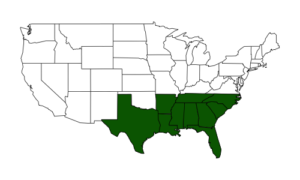 |
Great Plains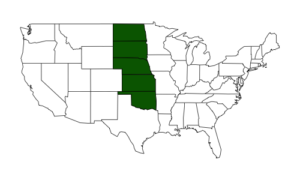 |
West |
Upper Midwest and Northeast
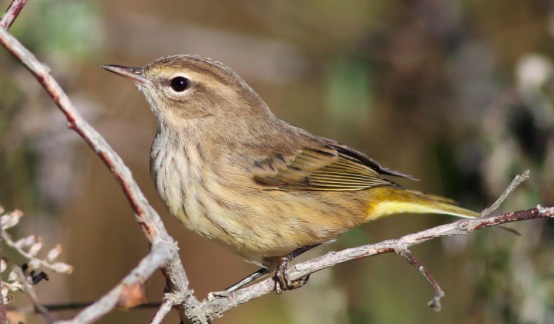
Light to moderate flights were scattered across the region last weekend, but this relatively small push stood in stark contrast of the movements that would come. A cold front moving through the Great Lakes brought heavy and very heavy flights on Sunday night to the Upper Midwest. The intensity of these flights continued in this part of the region through Tuesday night, as the frontal boundary slowly drifted east. By Wednesday night moderate to heavy flights occurred across much of the region west of the Appalachians, with the coast still experiencing rather warm summer like conditions unfavorable for flights. With the front’s eventual passage off the coast on Thursday night, moderate to heavy flights finally appeared east of the Appalachians while continuing their push in the Upper Midwest. Note that few areas of the coast experienced large flights, away from northern New England early Thursday evening.
Top Movers
[expand title=”Increasing” tag=”h3″]
[table sort=”,desc” tablesorter=”true”]
Species,Increase from Last Week[attr style=”color:green”],% of Checklists Reporting
Palm Warbler,311%,3.6
Blackpoll Warbler,162%,6.6
Swainson’s Thrush,105%,9.6
Bay-breasted Warbler,87%,5.1
Gray-cheeked Thrush,330%,1.7
Black-throated Green Warbler,54%,9.2
Nashville Warbler,51%,7.6
Wilson’s Warbler,45%,5
Philadelphia Vireo,56%,3.2
Pied-billed Grebe,59%,5.2
American Golden-Plover,51%,3.1
Tennessee Warbler,33%,9.6
Magnolia Warbler,22%,14.1
Northern Parula,31%,4.4
Orange-crowned Warbler,604%,0.4
Northern Flicker,12%,28.7
Yellow-throated Vireo,24%,5.8
Dark-eyed Junco,52%,1.8
American Wigeon,130%,0.7
Rose-breasted Grosbeak,17%,8.2
Merlin,27%,3.5
Cape May Warbler,29%,3
Yellow-rumped Warbler,22%,3.2
Blue-headed Vireo,28%,2.2
Lincoln’s Sparrow,83%,0.6
[/table]
[/expand]
[expand title=”Decreasing” tag=”h3″]
[table sort=”,asc” tablesorter=”true”]
Species,Decrease from Last Week[attr style=”color:red”],% of Checklists Reporting
Baltimore Oriole,-58%,3.1
Eastern Kingbird,-54%,2.9
Barn Swallow,-42%,7.9
Common Nighthawk,-46%,3.2
Short-billed Dowitcher,-45%,1.5
Purple Martin,-76%,0.4
Ruddy Turnstone,-50%,0.7
Bank Swallow,-47%,0.9
Blue-gray Gnatcatcher,-27%,6.8
Semipalmated Sandpiper,-28%,5.8
Great Crested Flycatcher,-21%,5.1
Western Sandpiper,-42%,0.7
Glossy Ibis,-55%,0.3
Wilson’s Storm-Petrel,-95%,0
Eastern Wood-Pewee,-14%,20.4
Least Sandpiper,-18%,9.5
Canada Warbler,-24%,2.3
Semipalmated Plover,-16%,7
Common Grackle,-16%,13.6
Ruby-throated Hummingbird,-12%,25.5
White-rumped Sandpiper,-35%,0.8
[/table]
[/expand]
Gulf Coast and Southeast
Primarily unfavorable migration conditions prevailed for the first half of the week. Light to moderate flights were peppered across the region, with little deviation in intensity and relatively limited geographic extent. Wednesday and Thursday nights saw these unfavorable conditions finally break in many areas, with moderate and locally heavy flights following suit. Larger flights were particularly apparent in the southern Appalachians to end the period.
Top Movers
[expand title=”Increasing” tag=”h3″]
[table sort=”,desc” tablesorter=”true”]
Species,Increase from Last Week[attr style=”color:green”],% of Checklists Reporting
Baltimore Oriole,58%,6.9
Blue-winged Teal,82%,8.2
Nashville Warbler,607%,1.8
Magnolia Warbler,76%,3.5
Scarlet Tanager,45%,3.2
Tennessee Warbler,48%,2.5
Veery,53%,1.8
Swainson’s Thrush,97%,1
Rose-breasted Grosbeak,99%,1
Golden-winged Warbler,94%,0.9
Ovenbird,29%,4.4
Northern Shoveler,48%,2.3
Wilson’s Snipe,67%,1.2
Common Yellowthroat,23%,7.1
Brown Thrasher,14%,12.2
Pine Warbler,16%,9.9
Cape May Warbler,40%,0.9
Chestnut-sided Warbler,21%,5.2
[/table]
[/expand]
[expand title=”Decreasing” tag=”h3″]
[table sort=”,asc” tablesorter=”true”]
Species,Decrease from Last Week[attr style=”color:red”],% of Checklists Reporting
White-crowned Pigeon,-82%,0
Least Bittern,-45%,0.6
Chuck-will’s-widow,-55%,0.3
Mississippi Kite,-31%,2.1
Louisiana Waterthrush,-48%,0.3
Least Tern,-31%,1.5
Northern Waterthrush,-30%,2.6
Black Tern,-23%,2.6
Eastern Kingbird,-15%,6.5
Eastern Meadowlark,-27%,1.2
Great Crested Flycatcher,-11%,9
Barn Swallow,-6%,18.3
[/table]
[/expand]
Great Plains
Quiet weekend beginnings got loud by Sunday night, when moderate to heavy flights prevailed across the region behind a passing cold front. Similarly intense movements occurred in the middle and end of the week, in local pulses, as birds took advantage of several bursts of favorable conditions for flight. Particularly hot this period were areas of the central and southern Plains, which generally experienced larger flights during the pulses of movement than parts further north.
Top Movers
[expand title=”Increasing” tag=”h3″]
[table sort=”,desc” tablesorter=”true”]
Species,Increase from Last Week[attr style=”color:green”],% of Checklists Reporting
Orange-crowned Warbler,282%,9
Ruby-crowned Kinglet,515%,4.5
Yellow-rumped Warbler,110%,6.8
Ovenbird,212%,6.6
Wilson’s Warbler,92%,13.2
White-throated Sparrow,466%,1.7
Lincoln’s Sparrow,121%,3.7
Swainson’s Thrush,60%,9.7
Nashville Warbler,64%,7.4
Blue-headed Vireo,53%,3.6
Black-throated Green Warbler,75%,1.4
[/table]
[/expand]
[expand title=”Decreasing” tag=”h3″]
[table sort=”,asc” tablesorter=”true”]
Species,Decrease from Last Week[attr style=”color:red”],% of Checklists Reporting
Eastern Kingbird,-40%,11
Cliff Swallow,-44%,4
Western Kingbird,-56%,1.6
Purple Martin,-76%,0.5
Barn Swallow,-21%,28.6
Baltimore Oriole,-23%,14.4
Stilt Sandpiper,-29%,4.2
Bank Swallow,-35%,3
Dickcissel,-37%,3.2
Philadelphia Vireo,-42%,1.2
Least Sandpiper,-20%,5.8
[/table]
[/expand]
West
This period saw consistent light to moderate flights for much of the region. Almost all areas of the West participated in the movements: moderate flights early and mid period in the Pacific Northwest; moderate flights in the Rockies and portions of the Desert Southwest mid and late period; and moderate flights from the Great Basin through the eastern front of the Rockies at the end of the period.
Top Movers
[expand title=”Increasing” tag=”h3″]
[table sort=”,desc” tablesorter=”true”]
Species,Increase from Last Week[attr style=”color:green”],% of Checklists Reporting
Ruby-crowned Kinglet,89%,5.3
White-crowned Sparrow,49%,15.3
Golden-crowned Sparrow,225%,1.6
Lincoln’s Sparrow,44%,5.1
Green-tailed Towhee,63%,4
American Pipit,61%,2.5
Fox Sparrow,74%,1.9
Yellow-rumped Warbler,26%,13.9
Golden-crowned Kinglet,34%,4.2
Swainson’s Thrush,27%,5.1
Orange-crowned Warbler,18%,18.1
American Wigeon,24%,4.2
Savannah Sparrow,18%,10.6
Clay-colored Sparrow,45%,1.5
Horned Grebe,38%,1.2
Common Yellowthroat,14%,15.5
Eared Grebe,29%,3.9
White-throated Sparrow,1886%,0.2
Say’s Phoebe,17%,7.2
[/table]
[/expand]
[expand title=”Decreasing” tag=”h3″]
[table sort=”,asc” tablesorter=”true”]
Species,Decrease from Last Week[attr style=”color:red”],% of Checklists Reporting
Wilson’s Phalarope,-65%,0.7
Violet-green Swallow,-53%,4.6
Solitary Sandpiper,-42%,0.8
Semipalmated Sandpiper,-55%,0.4
Broad-tailed Hummingbird,-28%,3.6
Western Kingbird,-30%,3
Franklin’s Gull,-40%,0.7
American Avocet,-26%,3.8
Bank Swallow,-38%,0.9
Tree Swallow,-28%,2.1
Eastern Kingbird,-60%,0.3
Virginia’s Warbler,-39%,1
Baird’s Sandpiper,-26%,1.7
Cliff Swallow,-28%,2.2
Short-billed Dowitcher,-30%,1
Vaux’s Swift,-42%,2.9
Brown-headed Cowbird,-23%,2.4
Least Sandpiper,-15%,8.9
Western Sandpiper,-16%,7.2
Bullock’s Oriole,-27%,1.1
Long-billed Dowitcher,-19%,2.8
Cordilleran Flycatcher,-40%,0.3
[/table]
[/expand]
–––––––––––––––––––––––––––––––––––
Farnsworth and Van Doren
Scientific Team
BirdCast is made possible by the participating scientists at the below institutions, and many other contributors.