


Regional Migration Analysis: 4-11 November 2016
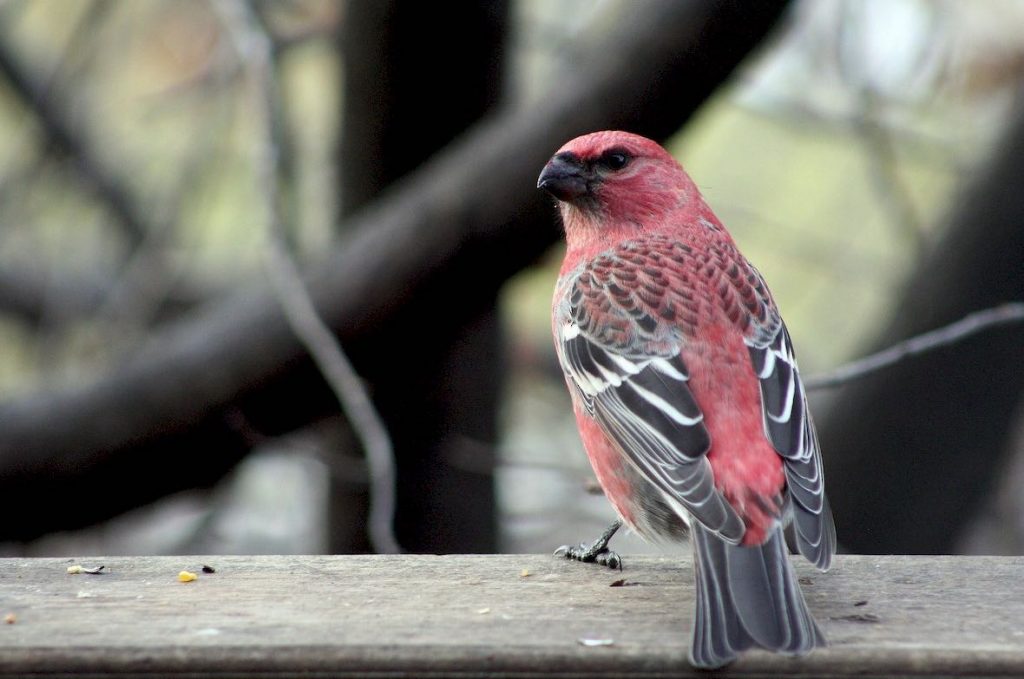
Pine Grosbeak. John Corden/Macaulay Library. eBird S32438550.
Continental Summary
Movements in the West were local and light, primarily along the Pacific Coast, featuring Tundra Swan, Common Goldeneye, Bufflehead, Bonaparte’s Gull, Golden-crowned Kinglet, Bohemian Waxwing, and Purple Finch, while in the East pulses of sub-regional movements were moderate to locally heavy and featured Greater Scaup, Bufflehead, Hooded Merganser, Red-throated Loon, Horned Grebe, American Robin, American Tree Sparrow, Pine Siskin, and Purple Finch.
Curious what birds will move next? Check out our forecast.
[animation name=”analysis-4-11-november-2016″]
Need a review of our definitions for regions, species on the move, and migration amounts? Please visit this link.
Quick Links to Regions
Upper Midwest and Northeast |
Gulf Coast and Southeast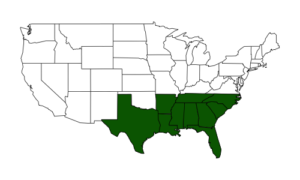 |
Great Plains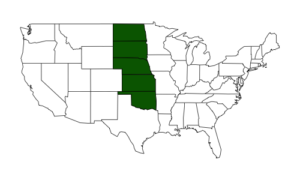 |
West |
Upper Midwest and Northeast
The period began with local light to moderate flights along the coast, and to some extent over New York and New England, while the remainder of the region remained generally quiet. With the arrival and passage of a cold front on Monday night, light to moderate flights began anew in the Upper Midwest. These intensified and grew more extensive by Tuesday night, but their intensity and extent stopped at the Appalachians. The period ended with a similar quiet to its start, with only locally light to moderate flights but this time in the Upper Midwest.
Top Movers
[expand title=”Increasing” tag=”h3″]
[table sort=”,desc” tablesorter=”true”]
Species,Increase from Last Week[attr style=”color:green”],% of Checklists Reporting
Bufflehead,55%,11.7
American Tree Sparrow,48%,9
Common Goldeneye,47%,3
Hooded Merganser,28%,7.8
Tundra Swan,83%,0.8
Pine Grosbeak,96%,0.4
Pine Siskin,31%,1.7
Redhead,23%,2.6
Lesser Scaup,23%,3.6
Ring-necked Duck,17%,5.9
Red-throated Loon,25%,2.6
Boreal Chickadee,541%,0.1
Sanderling,25%,1.9
Canvasback,29%,1.3
White-winged Crossbill,51%,0.3
Common Merganser,13%,4.7
Gray Jay,47%,0.2
American Black Duck,8%,10
Cave Swallow,91%,0.1
Mallard,5%,33.3
Harlequin Duck,38%,0.3
[/table]
[/expand]
[expand title=”Decreasing” tag=”h3″]
[table sort=”,asc” tablesorter=”true”]
Species,Decrease from Last Week[attr style=”color:red”],% of Checklists Reporting
Ruby-crowned Kinglet,-53%,4.8
Yellow-rumped Warbler,-49%,7.2
Chipping Sparrow,-61%,2.1
Eastern Phoebe,-73%,0.9
Pectoral Sandpiper,-80%,0.2
Field Sparrow,-41%,2.9
Cedar Waxwing,-35%,8
Palm Warbler,-62%,0.9
Purple Finch,-34%,5.4
Blue-headed Vireo,-92%,0
Common Grackle,-33%,7.1
Hermit Thrush,-36%,3.2
Vesper Sparrow,-68%,0.2
Osprey,-66%,0.4
White-crowned Sparrow,-39%,2.7
Lesser Yellowlegs,-63%,0.3
Red-winged Blackbird,-23%,14.6
Golden-crowned Kinglet,-24%,11.3
Franklin’s Gull,-72%,0.2
Brown-headed Cowbird,-40%,1.9
Tree Swallow,-51%,0.8
American Robin,-17%,31.4
American Pipit,-38%,1.9
Blackpoll Warbler,-91%,0
Yellow-breasted Chat,-76%,0.1
[/table]
[/expand]
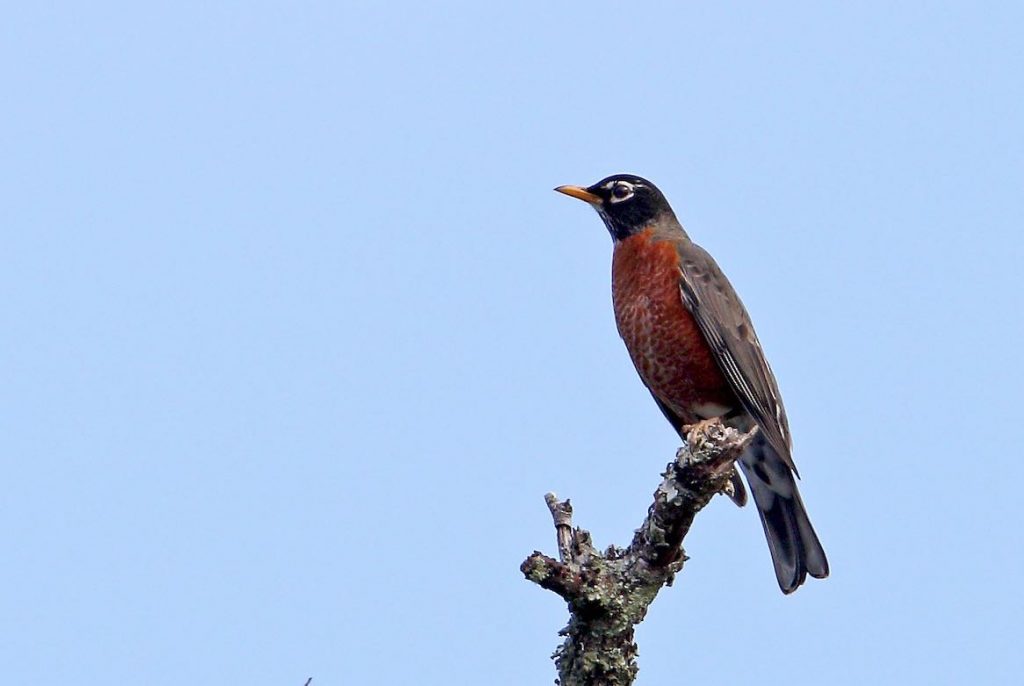
American Robin. Steve Raduns/Macaulay Library. eBird S32351870.
Gulf Coast and Southeast
Widespread moderate and locally heavy flights occurred on Friday night, thereafter diminishing significantly in intensity and extent. Flights remained local for the days that followed, but by Tuesday night began to increase in intensity to moderate to locally heavy over Texas. Wednesday night saw another pulse of moderate to locally heavy flights across most of the region, followed on Thursday night by more scattered light to moderate flights.
Top Movers
[expand title=”Increasing” tag=”h3″]
[table sort=”,desc” tablesorter=”true”]
Species,Increase from Last Week[attr style=”color:green”],% of Checklists Reporting
Hooded Merganser,413%,2.2
Bufflehead,830%,1.4
Horned Grebe,617%,1.4
Ring-necked Duck,88%,5.4
Lesser Scaup,98%,2.6
Black Scoter,241%,1.2
Dark-eyed Junco,46%,7.7
American Robin,37%,21.5
Red-breasted Merganser,582%,0.7
Northern Gannet,118%,1.4
Ruddy Duck,29%,5.4
American Goldfinch,34%,10.5
Canvasback,164%,0.8
Surf Scoter,316%,0.7
Ring-billed Gull,26%,7
Common Loon,68%,1.2
Rusty Blackbird,84%,0.8
Yellow-rumped Warbler,23%,33.6
Redhead,28%,2.9
Green-winged Teal,14%,6.5
Gadwall,17%,6.8
Snow Goose,55%,1
Purple Finch,39%,1.5
Great Black-backed Gull,63%,1.2
[/table]
[/expand]
[expand title=”Decreasing” tag=”h3″]
[table sort=”,asc” tablesorter=”true”]
Species,Decrease from Last Week[attr style=”color:red”],% of Checklists Reporting
Barn Swallow,-60%,2.2
Black Phoebe,-77%,0.5
Stilt Sandpiper,-74%,0.6
Indigo Bunting,-69%,1
White-faced Ibis,-58%,1.8
Black-necked Stilt,-51%,2.6
Franklin’s Gull,-68%,0.9
Wilson’s Snipe,-34%,4.3
Lesser Yellowlegs,-38%,3.2
Eastern Wood-Pewee,-92%,0.1
Neotropic Cormorant,-41%,3.1
Long-billed Dowitcher,-42%,2.8
[/table]
[/expand]
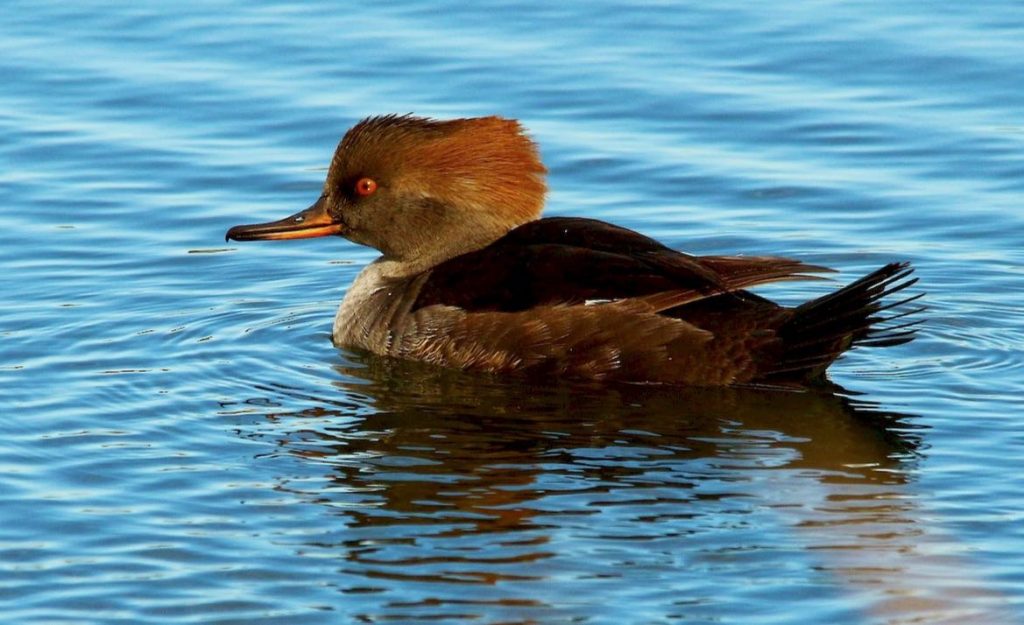
Hooded Merganser. Rick Sammons/Macaulay Library. eBird S32487822.
Great Plains
Locally moderate to heavy flights kicked off the period in the southern Plains, diminishing rapidly by Saturday night; however, the remainder of the region was quiet. With the passage of low pressure on Monday came a pulse of light and moderate flights in the northern and central Plains, followed on Tuesday night by a more intense flight in the central and southern Plains. Wednesday saw a movement very similar in intensity and extent to the weekend’s kickoff flight in the southern Plains, and the period ended with local light and isolated moderate flights across the region.
Top Movers
[expand title=”Increasing” tag=”h3″]
[table sort=”,desc” tablesorter=”true”]
Species,Increase from Last Week[attr style=”color:green”],% of Checklists Reporting
Lesser Scaup,83%,14
Hooded Merganser,107%,8
Ring-necked Duck,62%,17.5
Bufflehead,78%,8.9
Bonaparte’s Gull,60%,9.3
Red-breasted Merganser,151%,3.2
Greater Scaup,282%,1.7
Ruddy Duck,26%,18.1
Snow Goose,39%,8.5
White-throated Sparrow,28%,16.8
Horned Grebe,39%,8.2
American Goldfinch,20%,36.8
Carolina Chickadee,33%,15.1
Red-shouldered Hawk,46%,9.4
Gadwall,17%,27.4
Canvasback,27%,7.4
Tufted Titmouse,20%,15.2
Dark-eyed Junco,13%,52.4
Northern Shoveler,17%,21.8
American Crow,12%,40.9
Brown Creeper,20%,8.1
Pied-billed Grebe,12%,29.2
Winter Wren,37%,2.4
Surf Scoter,523%,0.5
Red-bellied Woodpecker,11%,33.9
[/table]
[/expand]
[expand title=”Decreasing” tag=”h3″]
[table sort=”,asc” tablesorter=”true”]
Species,Decrease from Last Week[attr style=”color:red”],% of Checklists Reporting
American Avocet,-76%,1.6
Orange-crowned Warbler,-91%,0.2
Merlin,-61%,0.8
Little Gull,-92%,0
Blue-winged Teal,-60%,1.5
Black-bellied Plover,-85%,0.1
Chipping Sparrow,-42%,2.9
American Golden-Plover,-99%,0
Lesser Yellowlegs,-48%,1.2
Long-billed Dowitcher,-40%,1.6
Osprey,-60%,0.9
Turkey Vulture,-51%,1.4
Western Meadowlark,-25%,4.9
Franklin’s Gull,-23%,14.3
Ruby-crowned Kinglet,-23%,8
Pectoral Sandpiper,-87%,0.1
White-faced Ibis,-57%,1.1
Vesper Sparrow,-38%,1.2
Red-tailed Hawk,-12%,31.8
Stilt Sandpiper,-55%,0.2
Brown Thrasher,-96%,0
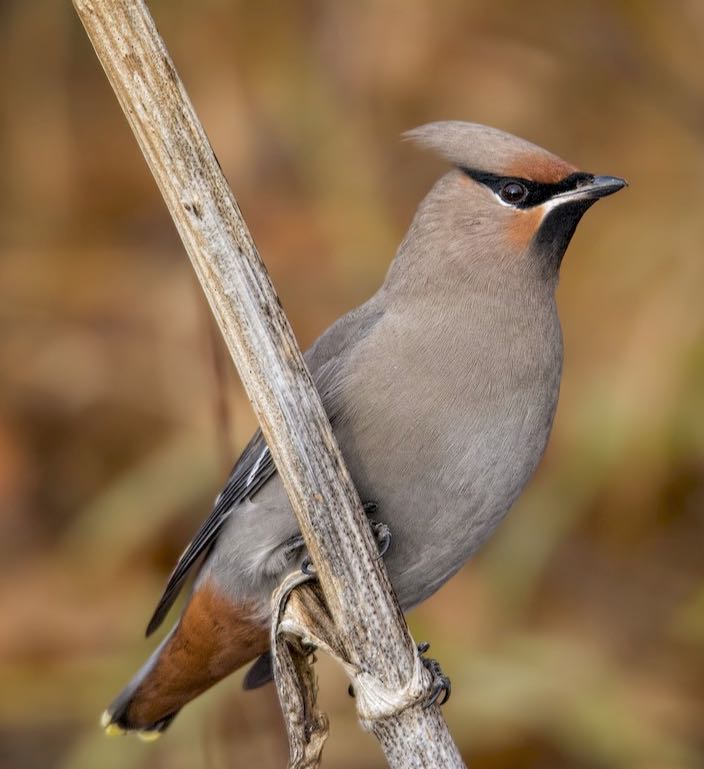
Bohemian Waxwing. Jamin Taylor/Macaulay Library. eBird S32451568.
West
The period was generally quiet from a migration perspective. California, portions of the Pacific Northwest, and portions of the Desert Southwest were the only areas that saw action, and even this was restricted mostly to a few nights of the period. The most regular and intense flights occurred in California, with the Central Valley experiencing locally moderate flights on most nights.
Top Movers
[expand title=”Increasing” tag=”h3″]
[table sort=”,desc” tablesorter=”true”]
Species,Increase from Last Week[attr style=”color:green”],% of Checklists Reporting
Common Goldeneye,198%,2.6
Bufflehead,49%,17.1
Hooded Merganser,42%,6
Lesser Scaup,48%,6.3
Tundra Swan,99%,1.8
Barrow’s Goldeneye,87%,1.5
Bohemian Waxwing,159%,0.7
Golden-crowned Kinglet,26%,8
Red-breasted Merganser,33%,3.1
Grasshopper Sparrow,308%,0.4
Bonaparte’s Gull,28%,4.4
Northern Pintail,20%,7.7
Black-vented Shearwater,45%,1.5
Ring-necked Duck,17%,10
Purple Finch,27%,2.2
Canvasback,20%,2.9
Sanderling,28%,1.9
Virginia Rail,18%,2.7
Brant,30%,1
Cackling Goose,12%,7
Trumpeter Swan,35%,0.8
American Wigeon,8%,16.7
Neotropic Cormorant,24%,1.2
[/table]
[/expand]
[expand title=”Decreasing” tag=”h3″]
[table sort=”,asc” tablesorter=”true”]
Species,Decrease from Last Week[attr style=”color:red”],% of Checklists Reporting
Plumbeous Vireo,-72%,0.1
California Gnatcatcher,-59%,0.1
Tropical Kingbird,-42%,0.4
Violet-green Swallow,-82%,0.1
Cassin’s Vireo,-62%,0.1
Summer Tanager,-91%,0
White-winged Dove,-23%,1.1
Barn Swallow,-61%,0.2
Greater Scaup,-24%,1.4
Black-legged Kittiwake,-50%,0.2
Allen’s Hummingbird,-17%,2.5
Western Grebe,-12%,12
Least Bittern,-66%,0.1
Common Grackle,-43%,0.2
Red-necked Phalarope,-80%,0
Varied Thrush,-32%,0.4
American Tree Sparrow,-23%,1.2
Tree Swallow,-31%,0.9
Band-tailed Pigeon,-23%,1.6
Merlin,-18%,2.4
[/table]
[/expand]
–––––––––––––––––––––––––––––––––––
Farnsworth and Van Doren
Scientific Team
BirdCast is made possible by the participating scientists at the below institutions, and many other contributors.