


Regional Migration Analysis: 3-10 April 2015
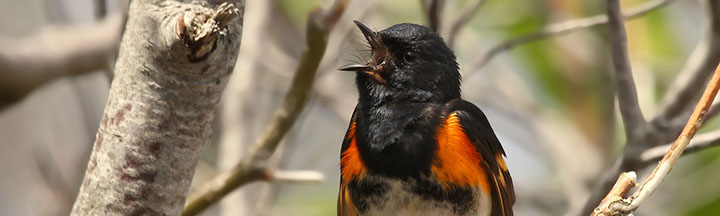
American Redstart © Ryan Schain
Continental Summary
An active open and close of the forecast period in the West featured light to moderate movements primarily in the southern portion of the region and included Western Sandpiper, Franklin’s Gull, Cassin’s Vireo, Black-throated Gray Warbler, and Nashville Warbler, while increasingly widespread moderate movements punctuated the period in the East and included Franklin’s Gull, Ruby-crowned Kinglet, Common Yellowthroat, Chipping Sparrow, and Summer Tanager.
What species will migrating this week? If you are interested, please read our forecast!
[animation name=”3-10-april-2015-analysis”]
Need a review of our definitions for regions, species on the move, and migration amounts? Please visit this link.
Quick Links to Regions
Upper Midwest and Northeast |
Gulf Coast and Southeast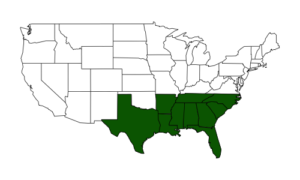 |
Great Plains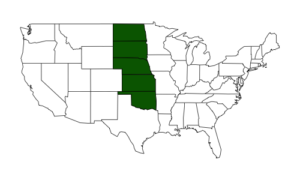 |
West |

Chipping Sparrow © Ian Davies
Upper Midwest and Northeast
What began as a quiet start in the wake of a strong cold front became widespread (with the exception of New England) light to moderate movements by Sunday night. However, this was the region’s greatest extent of migration for the week – unsettled weather over the remainder of the period kept migrants grounded in many areas, and where birds were flying movements were local and mostly light to moderate.
Top Movers
[expand title=”Increasing” tag=”h3″]
[table sort=”,desc” tablesorter=”true”]
Species,Increase from Last Week[attr style=”color:green”],% of Checklists Reporting
Belted Kingfisher,41%,9.1
Blue-winged Teal,23%,9.5
Brown Thrasher,101%,5.8
Brown-headed Cowbird,28%,21.3
Chipping Sparrow,129%,13.6
Eastern Towhee,75%,10.1
Field Sparrow,65%,8.1
Great Egret,35%,6.0
Hermit Thrush,102%,4.8
Northern Flicker,45%,23.5
Osprey,21%,10.0
Pied-billed Grebe,21%,12.1
Pine Warbler,56%,4.7
Purple Finch,50%,3.5
Ruby-crowned Kinglet,201%,6.3
Snowy Egret,82%,1.5
Swamp Sparrow,92%,5.5
Tree Swallow,15%,19.9
Vesper Sparrow,70%,1.3
Yellow-bellied Sapsucker,19%,5.6
Yellow-rumped Warbler,55%,5.6
[/table]
[/expand]
[expand title=”Decreasing” tag=”h3″]
[table sort=”,asc” tablesorter=”true”]
Species,Decrease from Last Week[attr style=”color:red”],% of Checklists Reporting
American Wigeon,-17%,5.9
American Woodcock,-54%,1.5
Cackling Goose,-72%,0.1
Canvasback,-38%,2.0
Common Goldeneye,-37%,3.9
Common Merganser,-14%,10.5
Greater White-fronted Goose,-46%,0.4
Hooded Merganser,-23%,10.8
Lesser Black-backed Gull,-29%,0.7
Lesser Scaup,-17%,6.4
Northern Pintail,-51%,2.1
Northern Shrike,-60%,0.1
Red-breasted Merganser,-23%,7.0
Redhead,-37%,3.6
Ring-billed Gull,-17%,22.4
Ring-necked Duck,-16%,14.1
Ross’s Goose,-81%,0.1
Rough-legged Hawk,-41%,0.5
Snow Goose,-59%,0.9
Snowy Owl,-59%,0.1
Tundra Swan,-50%,1.3
White-winged Scoter,-37%,0.8
[/table]
[/expand]

Summer Tanager © Luke Seitz
Gulf Coast and Southeast
Scattered moderate flights over the weekend grew to cover the entirety of the region by Monday night. This intensity of migration continued, at the same region-wide extent, nearly through the remainder of the work week. Of particular note were widespread moderate movements on Tuesday night and similarly intense flights over Texas on Thursday night.
Top Movers
[expand title=”Increasing” tag=”h3″]
[table sort=”,desc” tablesorter=”true”]
Species,Increase from Last Week[attr style=”color:green”],% of Checklists Reporting
American Redstart,86%,1.2
Blue Grosbeak,194%,0.6
Blue-gray Gnatcatcher,16%,23.4
Broad-winged Hawk,26%,3.3
Bronzed Cowbird,58%,1.6
Brown-headed Cowbird,13%,20.2
Chuck-will’s-widow,45%,1.7
Cliff Swallow,35%,4.2
Common Yellowthroat,24%,10.4
Eastern Towhee,20%,20.8
Great Crested Flycatcher,32%,12.6
Green Heron,16%,7.1
Indigo Bunting,34%,4.0
Nashville Warbler,70%,1.2
Orchard Oriole,57%,2.6
Rose-breasted Grosbeak,333%,0.4
Sandwich Tern,41%,2.9
Scissor-tailed Flycatcher,29%,8.2
Semipalmated Plover,36%,2.4
Solitary Sandpiper,44%,2.5
Summer Tanager,160%,3.4
Western Kingbird,217%,0.6
Whimbrel,78%,1.2
Willet,21%,8.6
[/table]
[/expand]
[expand title=”Decreasing” tag=”h3″]
[table sort=”,asc” tablesorter=”true”]
Species,Decrease from Last Week[attr style=”color:red”],% of Checklists Reporting
Brown Creeper,-78%,0.1
Hooded Merganser,-56%,0.5
Golden-crowned Kinglet,-68%,0.5
Ring-necked Duck,-59%,0.6
Bufflehead,-53%,1.1
Lesser Scaup,-41%,1.7
Yellow-bellied Sapsucker,-56%,1.8
Gadwall,-40%,2.2
American White Pelican,-26%,3.2
American Kestrel,-44%,3.2
Dark-eyed Junco,-32%,3.3
Northern Shoveler,-22%,4.9
Northern Flicker,-22%,6.0
Ring-billed Gull,-27%,6.6
Palm Warbler,-36%,8.4
Little Blue Heron,-18%,8.7
Pied-billed Grebe,-22%,9.7
Tree Swallow,-19%,9.9
Osprey,-14%,16.5
Yellow-rumped Warbler,-15%,20.6
[/table]
[/expand]

Franklin’s Gulls © Benjamin Van Doren
Great Plains
Quiet was the word for the region this week, with migrants stymied by some unfavorable conditions that included northerly winds and storms. When birds did fly, movements were light and moderate, but these were limited across space and in time. The most intense of the week’s movements occurred in the Dakotas on Saturday night; the most extensive were those flights in the central and southern Plains, primarily over several nights when light to locally moderate movements occurred.
Top Movers
[expand title=”Increasing” tag=”h3″]
[table sort=”,desc” tablesorter=”true”]
Species,Increase from Last Week[attr style=”color:green”],% of Checklists Reporting
Peregrine Falcon,109%,0.8
Hermit Thrush,55%,1.6
Bonaparte’s Gull,40%,3.8
Wilson’s Snipe,49%,4.2
Lincoln’s Sparrow,32%,4.6
Cooper’s Hawk,27%,6.0
White-throated Sparrow,23%,7.6
Ruby-crowned Kinglet,36%,7.8
Franklin’s Gull,121%,8.2
Field Sparrow,29%,10.2
Chipping Sparrow,25%,11.2
American Kestrel,33%,11.8
Eastern Meadowlark,14%,18.7
Double-crested Cormorant,14%,19.8
Brown-headed Cowbird,29%,25.5
Blue-winged Teal,10%,32.9
Turkey Vulture,8%,35.7
[/table]
[/expand]
[expand title=”Decreasing” tag=”h3″]
[table sort=”,asc” tablesorter=”true”]
Species,Decrease from Last Week[attr style=”color:red”],% of Checklists Reporting
Cackling Goose,-98%,0.0
Ross’s Goose,-96%,0.0
Common Merganser,-63%,1.0
Greater White-fronted Goose,-63%,1.1
Sandhill Crane,-58%,1.2
Horned Grebe,-42%,2.3
Snow Goose,-54%,2.5
American Tree Sparrow,-43%,2.6
Northern Pintail,-34%,7.0
American Wigeon,-40%,9.4
Ring-necked Duck,-31%,9.4
Green-winged Teal,-31%,13.6
Dark-eyed Junco,-20%,24.4
Canada Goose,-16%,40.4
[/table]
[/expand]
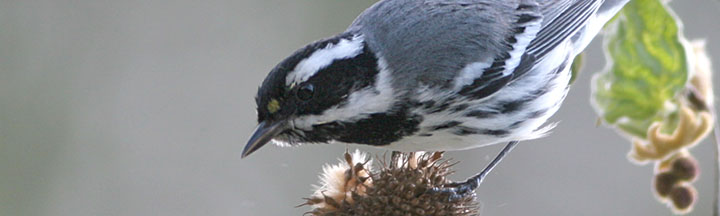
Black-throated Gray Warbler © Ian Davies
West
California and the Desert Southwest cornered much of the region’s action. Light to moderate flights kicked off the weekend, generally decreasing thereafter through most of the work week. Scattered precipitation, among some other unfavorable conditions, kept birds grounded or mostly grounded in many other parts of the West. However, Thursday night saw a renewed pulse of activity, with migrants on the move in California in moderate levels, as well as over the Desert Southwest and the Pacific Northwest.
Top Movers
[expand title=”Increasing” tag=”h3″]
[table sort=”,desc” tablesorter=”true”]
Species,Increase from Last Week[attr style=”color:green”],% of Checklists Reporting
Hammond’s Flycatcher,62%,0.8
Western Sandpiper,82%,1.5
Nashville Warbler,179%,1.5
Cassin’s Vireo,109%,1.6
Franklin’s Gull,79%,1.7
Green Heron,38%,2.0
Black-throated Gray Warbler,69%,3.2
Common Grackle,32%,3.3
Cassin’s Kingbird,23%,3.6
Yellow Warbler,56%,3.8
Ash-throated Flycatcher,45%,3.9
Swainson’s Hawk,40%,3.9
Bullock’s Oriole,29%,4.9
Black-chinned Hummingbird,32%,5.0
Brown-headed Cowbird,34%,5.2
Allen’s Hummingbird,19%,5.8
Rufous Hummingbird,17%,7.1
Osprey,46%,7.4
Cliff Swallow,48%,8.3
Barn Swallow,33%,9.6
Common Yellowthroat,24%,9.9
Northern Rough-winged Swallow,21%,9.9
Violet-green Swallow,18%,10.4
[/table]
[/expand]
[expand title=”Decreasing” tag=”h3″]
[table sort=”,asc” tablesorter=”true”]
Species,Decrease from Last Week[attr style=”color:red”],% of Checklists Reporting
Tundra Swan,-74%,0.1
Harris’s Sparrow,-55%,0.1
Ross’s Goose,-36%,0.3
Red-breasted Sapsucker,-15%,1.2
Varied Thrush,-37%,1.9
Cackling Goose,-18%,2.1
Golden-crowned Kinglet,-11%,2.2
Hooded Merganser,-21%,2.3
Fox Sparrow,-21%,2.4
Common Goldeneye,-19%,3.9
Northern Pintail,-17%,4.0
Ring-necked Duck,-8%,8.3
Ruby-crowned Kinglet,-21%,9.0
American Wigeon,-13%,10.4
Dark-eyed Junco,-13%,19.2
Northern Flicker,-12%,20.6
[/table]
[/expand]
–––––––––––––––––––––––––––––––––––
Farnsworth and Van Doren
Scientific Team
BirdCast is made possible by the participating scientists at the below institutions, and many other contributors.