


Regional Migration Analysis: 28 August – 4 September 2015

Continental Summary
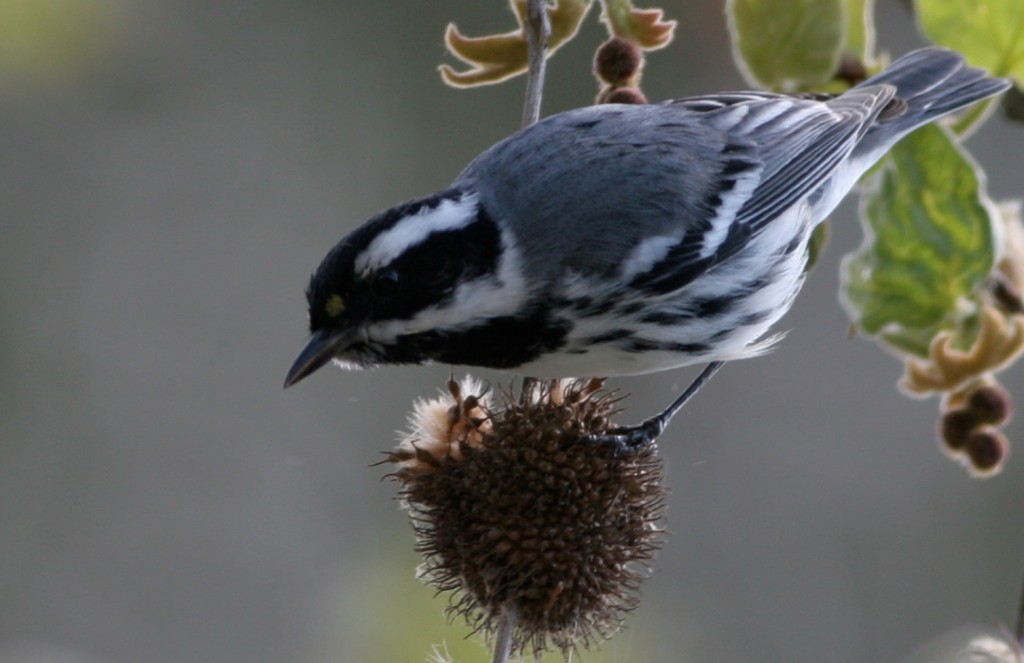
Scattered light to moderate flights of Vaux’s Swift, Pacific-slope Flycatcher, Western Tanager, Black-throated Gray Warbler, and Orange-crowned Warbler took flight in the West this week, while moderate flights of Red-eyed Vireo, Warbling Vireo, Swainson’s Thrush, Veery, Gray Catbird, Magnolia Warbler, and Scarlet Tanager became increasingly widespread by the end of the week in the East.
Curious what birds will move next? Check out our forecast.
[animation name=”analysis-28-august-4-september-2015″]
Need a review of our definitions for regions, species on the move, and migration amounts? Please visit this link.
Quick Links to Regions
Upper Midwest and Northeast |
Gulf Coast and Southeast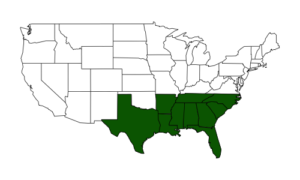 |
Great Plains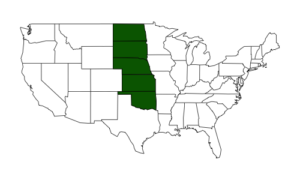 |
West |
Upper Midwest and Northeast
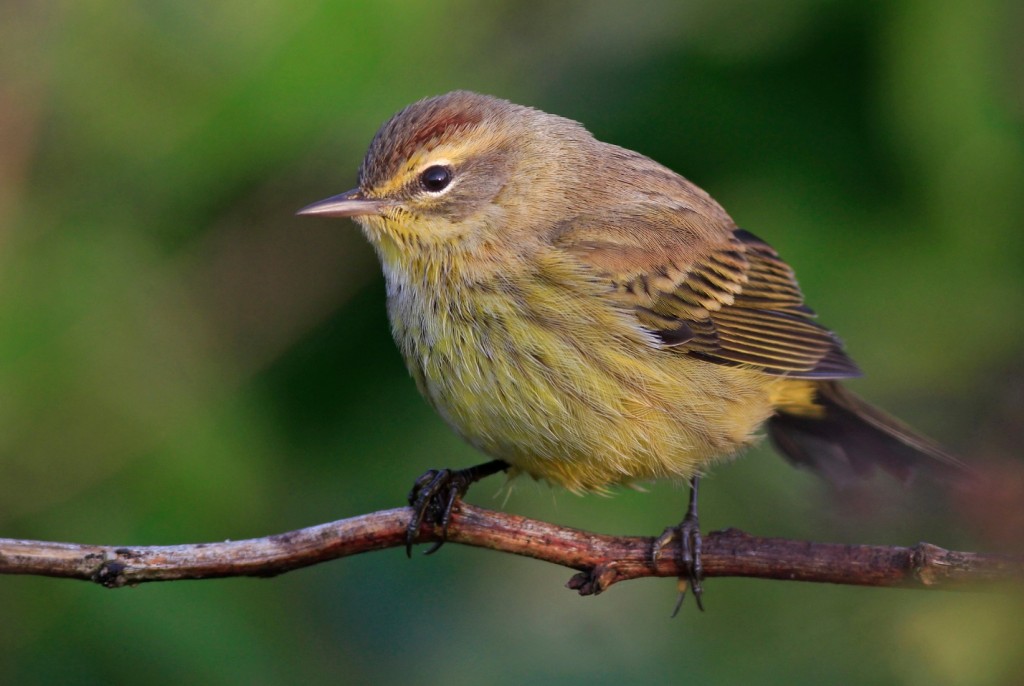
Light to moderate migration was apparent from the Appalachians east to the coast to kick off the weekend. By Saturday and Sunday nights, more extensive moderate movements appeared, first in the Great Lakes and Mississippi River valley, then into the Appalachian and coastal regions. Monday and Tuesday nights saw locally heavy and very heavy flights in the upper Mississippi River valley, including this amazing morning flight observation. By Wednesday and Thursday, the slow movements of a frontal boundary to the east enhanced flights further, with moderate and heavy flights becoming more common over the Great Lakes and New York and New England.
Top Movers
[expand title=”Increasing” tag=”h3″]
[table sort=”,desc” tablesorter=”true”]
Species,Increase from Last Week[attr style=”color:green”],% of Checklists Reporting
Swainson’s Thrush,103%,4.4
Warbling Vireo,37%,11
Magnolia Warbler,28%,11.5
Blackpoll Warbler,100%,2.4
White-eyed Vireo,45%,5.2
Bay-breasted Warbler,58%,2.1
Yellow-throated Vireo,32%,4.3
Common Nighthawk,21%,7.6
Philadelphia Vireo,57%,1.7
Palm Warbler,261%,0.9
Pine Warbler,33%,3.5
Wilson’s Warbler,32%,2.8
Gray-cheeked Thrush,-33891%,0.5
Yellow-bellied Sapsucker,36%,2.4
Veery,27%,3.9
Merlin,33%,2.4
Cape May Warbler,33%,2.2
Bobolink,21%,5.2
Rose-breasted Grosbeak,17%,6.6
Common Yellowthroat,11%,20.9
Buff-breasted Sandpiper,16%,2.1
Northern Flicker,11%,24.5
[/table]
[/expand]
[expand title=”Decreasing” tag=”h3″]
[table sort=”,asc” tablesorter=”true”]
Species,Decrease from Last Week[attr style=”color:red”],% of Checklists Reporting
Cliff Swallow,-68%,0.8
Bank Swallow,-54%,1.7
Northern Rough-winged Swallow,-45%,2.4
Barn Swallow,-34%,16.5
Eastern Kingbird,-33%,7.9
Tree Swallow,-29%,11.8
Black Tern,-48%,0.9
Baltimore Oriole,-29%,9.2
Purple Martin,-40%,1.8
Semipalmated Sandpiper,-20%,8.8
Least Tern,-44%,0.9
Blue-gray Gnatcatcher,-26%,10.2
Orchard Oriole,-63%,0.2
Osprey,-17%,12.8
Spotted Sandpiper,-16%,8.8
Ruddy Turnstone,-27%,1.8
Common Tern,-22%,3.4
Piping Plover,-53%,0.2
Blue-winged Warbler,-32%,1.8
Willet,-27%,1.4
Canada Warbler,-33%,3.4
[/table]
[/expand]
Gulf Coast and Southeast
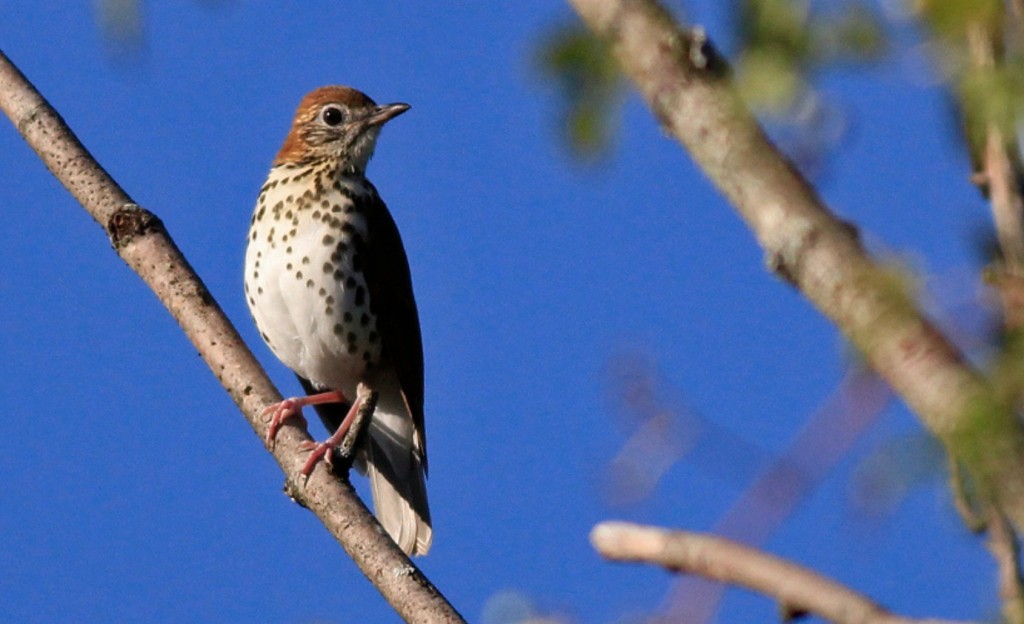
Light to moderate flights were the norm across the region this week, as birds gradually began to overtake insects and bats as components of the nocturnal atmosphere. Locally heavy flights over Texas were probably a mixture of all of these biologicals, whereas building week’s movements in the southeastern coastal plain were increasingly dominated by birds by period’s end. Note also the departures of birds from Florida, including late week departures of birds leaving the Keys for Cuba
Top Movers
[expand title=”Increasing” tag=”h3″]
[table sort=”,desc” tablesorter=”true”]
Species,Increase from Last Week[attr style=”color:green”],% of Checklists Reporting
Magnolia Warbler,298%,1.5
American Redstart,42%,9.4
Scarlet Tanager,239%,2.1
Chestnut-sided Warbler,70%,4.6
Red-eyed Vireo,29%,15.9
Ovenbird,65%,3.3
Veery,889%,0.7
Blackburnian Warbler,71%,2.2
White-eyed Vireo,20%,19.8
Black-and-white Warbler,27%,8.4
Wilson’s Warbler,69%,1.8
Northern Parula,22%,12.1
Sandhill Crane,56%,3.2
Black-throated Blue Warbler,89%,1.1
Pine Warbler,24%,8.3
Tennessee Warbler,88%,0.9
Wood Thrush,108%,1.1
Sora,70%,0.9
Yellow-throated Vireo,27%,4.6
Yellow-throated Warbler,22%,5.7
[/table]
[/expand]
[expand title=”Decreasing” tag=”h3″]
[table sort=”,asc” tablesorter=”true”]
Species,Decrease from Last Week[attr style=”color:red”],% of Checklists Reporting
Stilt Sandpiper,-52%,0.9
Scissor-tailed Flycatcher,-37%,3.5
Solitary Sandpiper,-38%,2.1
Pectoral Sandpiper,-33%,2.3
American Avocet,-44%,0.8
Blue Grosbeak,-26%,3.6
Eastern Kingbird,-17%,7.7
Blue-winged Teal,-27%,3.9
Western Kingbird,-32%,0.8
Long-billed Dowitcher,-44%,0.5
Spotted Sandpiper,-13%,7.5
Mississippi Kite,-20%,3.5
[/table]
[/expand]
Great Plains
The central and southern Plains saw moderate to heavy movements kickoff the weekend, followed by a Monday night pulse of similar intensity movements in the northern Plains. But in the days that followed, the region quieted substantially as less favorable conditions prevailed. These nights were not without migration, however, as scattered light movements continued where more marginal conditions (in particular, light winds) persisted.
Top Movers
[expand title=”Increasing” tag=”h3″]
[table sort=”,desc” tablesorter=”true”]
Species,Increase from Last Week[attr style=”color:green”],% of Checklists Reporting
Black-and-white Warbler,38%,7.2
Swainson’s Thrush,48%,5.4
Buff-breasted Sandpiper,58%,4.7
Nashville Warbler,54%,2.8
Warbling Vireo,25%,13.5
Philadelphia Vireo,48%,2.4
California Gull,65%,1.9
Broad-winged Hawk,31%,1.9
Wilson’s Warbler,19%,6.8
Olive-sided Flycatcher,19%,5.4
[/table]
[/expand]
[expand title=”Decreasing” tag=”h3″]
[table sort=”,asc” tablesorter=”true”]
Species,Decrease from Last Week[attr style=”color:red”],% of Checklists Reporting
American Avocet,-68%,2
Yellow Warbler,-47%,8.3
Orchard Oriole,-68%,1.5
Common Nighthawk,-54%,6.6
Cliff Swallow,-39%,4.6
Purple Martin,-51%,1.9
Western Kingbird,-35%,4.1
[/table]
[/expand]
West
California, portions of the Desert Southwest, and the eastern and northern Rockies all saw a peppering of light to moderate flights during the first half of the forecast period. Migration was generally more apparent during this time, as less favorable conditions with generally lower intensity and less extensive movements followed during the second half of the period. Note the moderate flight in northeastern Montana that ends the period, associated with a localized northern tier flight behind a frontal boundary.
Top Movers
[expand title=”Increasing” tag=”h3″]
[table sort=”,desc” tablesorter=”true”]
Species,Increase from Last Week[attr style=”color:green”],% of Checklists Reporting
Western Tanager,25%,14.9
Vaux’s Swift,69%,4.1
Red-shouldered Hawk,47%,5.9
Black-throated Gray Warbler,40%,6.6
Violet-green Swallow,35%,8.4
Anna’s Hummingbird,20%,26.1
Allen’s Hummingbird,35%,3.6
Black Phoebe,18%,24
Orange-crowned Warbler,17%,13.9
Lesser Goldfinch,14%,23.8
Pacific-slope Flycatcher,33%,5.4
[/table]
[/expand]
[expand title=”Decreasing” tag=”h3″]
[table sort=”,asc” tablesorter=”true”]
Species,Decrease from Last Week[attr style=”color:red”],% of Checklists Reporting
Eastern Kingbird,-67%,0.7
Marbled Godwit,-40%,2.3
Baird’s Sandpiper,-39%,2.3
Solitary Sandpiper,-42%,1.6
Semipalmated Sandpiper,-46%,0.8
Wilson’s Phalarope,-36%,2.2
Wandering Tattler,-55%,0.4
Black Turnstone,-35%,1.5
Western Kingbird,-31%,4.3
Short-billed Dowitcher,-37%,1.3
Sanderling,-36%,1.3
Common Nighthawk,-35%,1.2
Bullock’s Oriole,-33%,1.7
Red-throated Loon,-39%,0.5
Semipalmated Plover,-24%,4.3
[/table]
[/expand]
–––––––––––––––––––––––––––––––––––
Farnsworth and Van Doren
Scientific Team
BirdCast is made possible by the participating scientists at the below institutions, and many other contributors.