


Regional Migration Analysis: 28 April – 5 May 2017
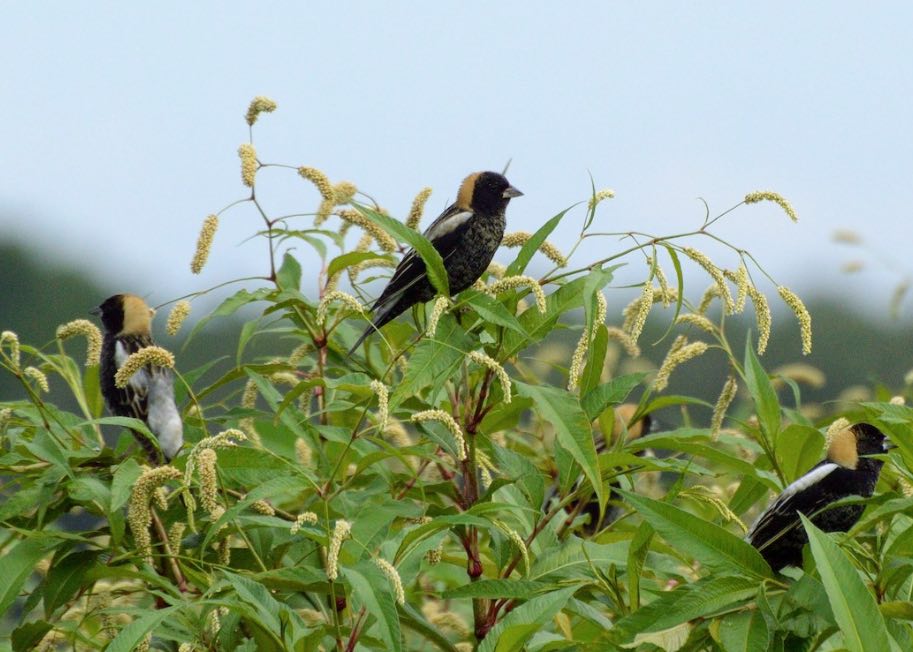
Bobolink. Bente Torvund/Macaulay Library. eBird S36238560.
Continental Summary
Moderate flights occurred in many areas of the West and featured Spotted Sandpiper, Wilson’s Phalarope, Warbling Vireo, Swainson’s Thrush, Western Tanager, Black-headed Grosbeak, and Evening Grosbeak, while in the East moderate and heavy flights punctuated by intense low pressure systems featured Mississippi Kite, Yellow-bellied Flycatcher, Bell’s Vireo, Bay-breasted Warbler, Magnolia Warbler, Canada Warbler, Rose-breasted Grosbeak, Bobolink, and Dickcissel.
Curious what birds will move next? Check out our forecast.
[animation name=”analysis-28-april-5-may-2017″]
Need a review of our definitions for regions, species on the move, and migration amounts? Please visit this link.
Quick Links to Regions
Upper Midwest and Northeast |
Gulf Coast and Southeast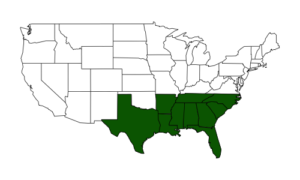 |
Great Plains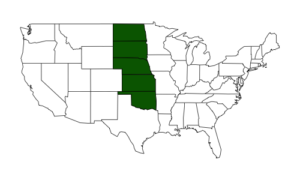 |
West |
Upper Midwest and Northeast
Moderate flights occurred over the weekend amidst some significant disturbances passing through the region. Most of these movements subsided by Monday and Tuesday nights, when only localized light to moderate movements were aloft in coastal and Midwestern locales. Wednesday and Thursday saw a return to the earlier period pattern, with moderate movements in Midwest and in New England, with a significant storm system moving across the region literally dampening migrants elsewhere.
Top Movers
[expand title=”Increasing” tag=”h3″]
[table sort=”,desc” tablesorter=”true”]
Species,Increase from Last Week[attr style=”color:green”],% of Checklists Reporting
Baltimore Oriole,194%,22.5
Black-throated Blue Warbler,241%,9.8
American Redstart,206%,13.9
Gray Catbird,141%,42
Rose-breasted Grosbeak,164%,15.7
Veery,275%,6.7
Ovenbird,123%,18.2
Black-and-white Warbler,109%,19.9
Blackpoll Warbler,281%,3.8
Red-eyed Vireo,125%,11.9
Common Yellowthroat,91%,23.9
Magnolia Warbler,507%,2.7
Chestnut-sided Warbler,291%,3.4
Scarlet Tanager,139%,9.7
Great Crested Flycatcher,101%,13.1
Swainson’s Thrush,189%,4.8
Cape May Warbler,405%,2.2
Eastern Kingbird,104%,11.7
Bobolink,309%,2.2
Indigo Bunting,110%,8.9
Wood Thrush,82%,14.9
Black-throated Green Warbler,101%,9.5
Yellow Warbler,65%,25.7
Chimney Swift,86%,12.4
Northern Waterthrush,93%,7.7
[/table]
[/expand]
[expand title=”Decreasing” tag=”h3″]
[table sort=”,asc” tablesorter=”true”]
Species,Decrease from Last Week[attr style=”color:red”],% of Checklists Reporting
Dark-eyed Junco,-48%,3.6
Rusty Blackbird,-58%,0.8
Field Sparrow,-20%,9.8
Northern Shoveler,-36%,2.3
Green-winged Teal,-40%,1.9
American Coot,-32%,2.7
Wilson’s Snipe,-46%,1.2
Belted Kingfisher,-16%,8.5
Blue-winged Teal,-19%,5.7
Ring-necked Duck,-41%,1.6
Killdeer,-11%,13.8
Pectoral Sandpiper,-39%,1.4
Pied-billed Grebe,-28%,2.9
Bufflehead,-27%,3
Greater Yellowlegs,-18%,6
Hermit Thrush,-20%,4.7
Brown Thrasher,-13%,9.8
White-throated Sparrow,-10%,32
Hooded Merganser,-33%,1.8
Fish Crow,-14%,6.9
[/table]
[/expand]
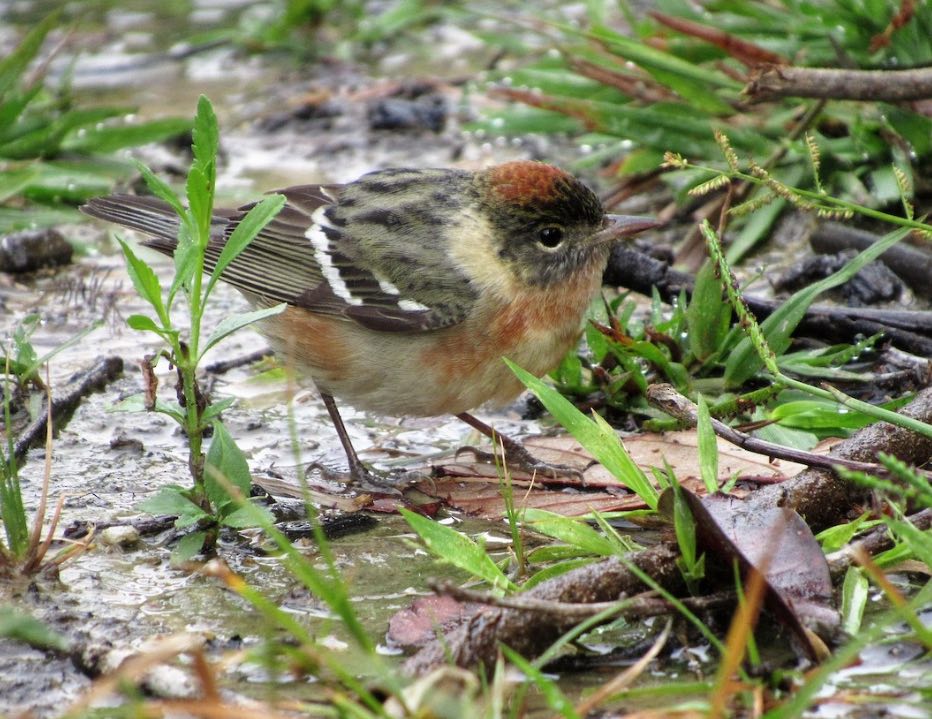
Bay-breasted Warbler. Roland Rumm/Macaulay Library. eBird S36227379.
Gulf Coast and Southeast
Moderate to heavy movements were widespread in the region to begin the period, most extensively so on Friday night. The nights that followed saw significant precipitation shut down flights in some areas. Moderate to heavy flights were again widespread on Monday and Tuesday nights, in advance of a strong storm system passing into the Gulf of Mexico region on Wednesday. With the departure of this system into the mid Atlantic, locally moderate to heavy flights occurred in mostly marginal conditions on Thursday night. Note that early in the period and late in the period, precipitation put down numerous migrants, including in deadly fashion in some locations.
Top Movers
[expand title=”Increasing” tag=”h3″]
[table sort=”,desc” tablesorter=”true”]
Species,Increase from Last Week[attr style=”color:green”],% of Checklists Reporting
Magnolia Warbler,140%,7.9
Chestnut-sided Warbler,142%,7.8
Bay-breasted Warbler,157%,6
Eastern Wood-Pewee,86%,12.2
American Redstart,48%,13.9
Mississippi Kite,90%,5.7
Black-throated Green Warbler,56%,8.8
Least Flycatcher,121%,2.8
Acadian Flycatcher,76%,4.7
Yellow Warbler,47%,10.5
American Crow,19%,29.5
Chimney Swift,20%,21.3
Canada Warbler,149%,1.9
American Robin,19%,19
Ruby-throated Hummingbird,22%,15.1
Golden-winged Warbler,109%,2.2
Philadelphia Vireo,76%,2.8
Eastern Phoebe,19%,13
White-rumped Sandpiper,55%,2
Yellow-bellied Flycatcher,869%,0.5
[/table]
[/expand]
[expand title=”Decreasing” tag=”h3″]
[table sort=”,asc” tablesorter=”true”]
Species,Decrease from Last Week[attr style=”color:red”],% of Checklists Reporting
Palm Warbler,-51%,3.4
White-throated Sparrow,-66%,1.7
Worm-eating Warbler,-60%,1.6
Blackpoll Warbler,-51%,3.2
Cape May Warbler,-52%,2.6
Willet,-37%,5
Lesser Yellowlegs,-37%,4.4
Marsh Wren,-54%,1.2
Blue-winged Teal,-38%,4.6
Short-billed Dowitcher,-46%,1.5
Yellow-rumped Warbler,-34%,6.1
Ruby-crowned Kinglet,-50%,1.7
Sora,-48%,1.1
Osprey,-22%,11
Cattle Egret,-25%,7.2
Forster’s Tern,-30%,3.6
Marbled Godwit,-75%,0.2
Merlin,-79%,0.2
Northern Harrier,-70%,0.3
Common Gallinule,-24%,5.9
Greater Yellowlegs,-31%,2.7
Whimbrel,-44%,1.2
Pied-billed Grebe,-38%,1.9
Savannah Sparrow,-32%,2.5
[/table]
[/expand]
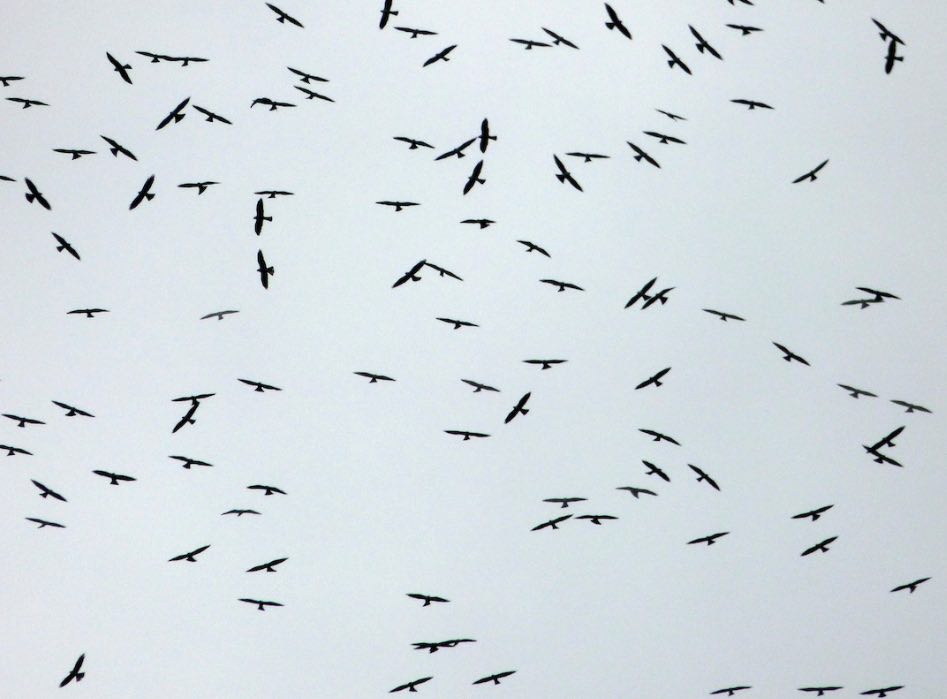
Mississippi Kite. Rolando Jordan/Macaulay Library. eBird S36501190.
Great Plains
Local light to moderate flights, primarily in the southern and northern Plains, were the norm for the first days of the period. The distribution of these flights largely surrounded areas of unfavorable weather, most intense on Saturday and Sunday in the central Plains. By Tuesday night more extensive light to moderate flights were apparent, though primarily still in the southern half of the region. Wednesday and Thursday night saw moderate flights return to the northern and central Plains.
Top Movers
[expand title=”Increasing” tag=”h3″]
[table sort=”,desc” tablesorter=”true”]
Species,Increase from Last Week[attr style=”color:green”],% of Checklists Reporting
Yellow Warbler,232%,8.8
Dickcissel,127%,10.5
Baltimore Oriole,96%,13.1
Western Kingbird,96%,10.7
Least Flycatcher,272%,3.5
Rose-breasted Grosbeak,319%,3.4
Bell’s Vireo,476%,2.1
Indigo Bunting,90%,7.2
Chimney Swift,83%,7.8
Gray Catbird,92%,6.6
Eastern Kingbird,43%,13.8
Barn Swallow,25%,33
Orchard Oriole,178%,3.3
Chipping Sparrow,29%,28.2
Bobolink,316%,1.8
House Wren,36%,19.7
White-crowned Sparrow,28%,20
White-rumped Sandpiper,124%,3.3
Blue Grosbeak,158%,2.6
Painted Bunting,120%,3
Swainson’s Thrush,42%,9.9
Mississippi Kite,290%,1.3
Purple Martin,49%,7.9
Clay-colored Sparrow,36%,10
[/table]
[/expand]
[expand title=”Decreasing” tag=”h3″]
[table sort=”,asc” tablesorter=”true”]
Species,Decrease from Last Week[attr style=”color:red”],% of Checklists Reporting
Horned Grebe,-78%,0.7
Green-winged Teal,-49%,3.4
Gadwall,-40%,6.4
American Wigeon,-48%,3.3
Double-crested Cormorant,-32%,11.4
Black-throated Blue Warbler,-79%,0.4
Ruddy Duck,-39%,4.7
Ring-necked Pheasant,-31%,7.1
Northern Pintail,-38%,4.2
Redhead,-40%,3.1
Canvasback,-51%,1.5
Northern Harrier,-43%,2.8
Osprey,-43%,2.4
Dark-eyed Junco,-78%,0.5
Western Meadowlark,-27%,10.9
Hermit Thrush,-66%,0.6
Ring-billed Gull,-26%,8.4
Bufflehead,-47%,2
Northern Shoveler,-21%,16.4
Mallard,-18%,25.5
Marbled Godwit,-45%,1.8
Lesser Scaup,-34%,4
Black-necked Stilt,-49%,1.2
Semipalmated Plover,-36%,2.8
Wilson’s Snipe,-39%,2.1
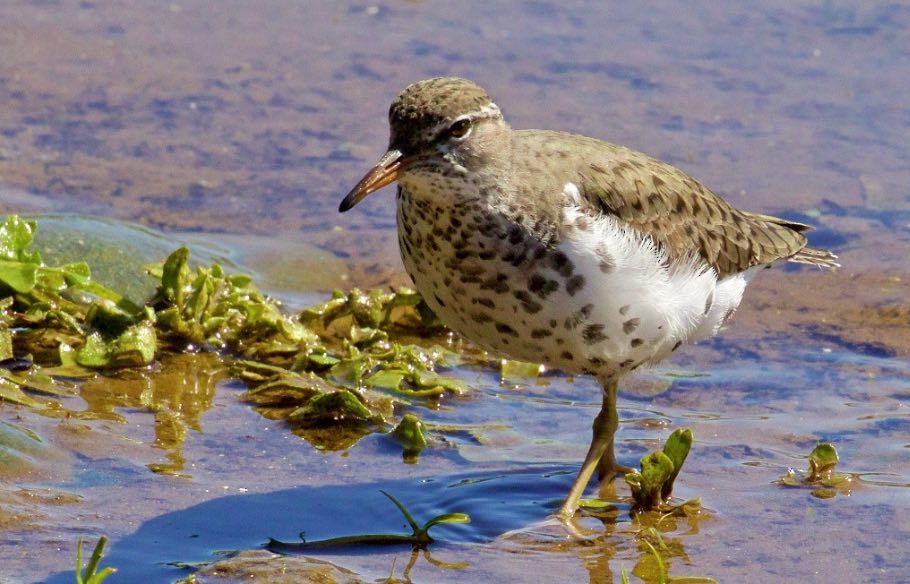
Spotted Sandpiper. Ed Harper/Macaulay Library. eBird S36343464.
West
Light to moderate flights were apparent in some areas of the region for much of the period, particularly in California, the Desert Southwest, and portions of the Great Basin. However, it was on Thursday night when the extent of movement across the region was at its greatest, with moderate flights from northern California and the Desert Southwest east through the souther and central Rockies and in portions of the Great Basin. These flights included some locally heavy movements in eastern Colorado and New Mexico.
Top Movers
[expand title=”Increasing” tag=”h3″]
[table sort=”,desc” tablesorter=”true”]
Species,Increase from Last Week[attr style=”color:green”],% of Checklists Reporting
Western Tanager,89%,9.9
Black-headed Grosbeak,52%,16.6
Yellow Warbler,50%,10.6
Warbling Vireo,50%,9.3
American Goldfinch,31%,15.8
Spotted Sandpiper,43%,7.8
Swainson’s Thrush,159%,2
Western Wood-Pewee,74%,2.9
Evening Grosbeak,67%,2.8
Wilson’s Phalarope,69%,2.9
Brown-headed Cowbird,24%,17.3
Western Kingbird,24%,11.7
Spotted Towhee,17%,25.6
Chipping Sparrow,27%,8.8
Bullock’s Oriole,25%,7.7
Wilson’s Warbler,20%,15.1
MacGillivray’s Warbler,51%,1.9
Purple Martin,57%,1.6
Red-breasted Nuthatch,23%,7.2
Lazuli Bunting,26%,5.9
Yellow-breasted Chat,36%,2.8
Violet-green Swallow,14%,17.8
American Robin,8%,41.9
[/table]
[/expand]
[expand title=”Decreasing” tag=”h3″]
[table sort=”,asc” tablesorter=”true”]
Species,Decrease from Last Week[attr style=”color:red”],% of Checklists Reporting
Golden-crowned Sparrow,-35%,4.9
Cackling Goose,-51%,0.8
Greater White-fronted Goose,-49%,0.6
Greater Yellowlegs,-29%,2.2
Ruby-crowned Kinglet,-18%,5.7
Lincoln’s Sparrow,-28%,2.2
Least Sandpiper,-20%,4.6
Green-winged Teal,-15%,6.2
Horned Grebe,-28%,1.4
Surf Scoter,-21%,2.1
Double-crested Cormorant,-9%,11.2
Turkey Vulture,-6%,20.9
American Coot,-8%,14.4
Black Turnstone,-69%,0.1
Northern Harrier,-14%,4
Brant,-31%,0.7
Bufflehead,-10%,7.1
Mew Gull,-32%,0.6
Northern Rough-winged Swallow,-9%,10.8
Red-breasted Merganser,-17%,1.7
Short-billed Dowitcher,-30%,0.7
[/table]
[/expand]
–––––––––––––––––––––––––––––––––––
Farnsworth and Van Doren
Scientific Team
BirdCast is made possible by the participating scientists at the below institutions, and many other contributors.