


Regional Migration Analysis: 27 October – 3 November 2017
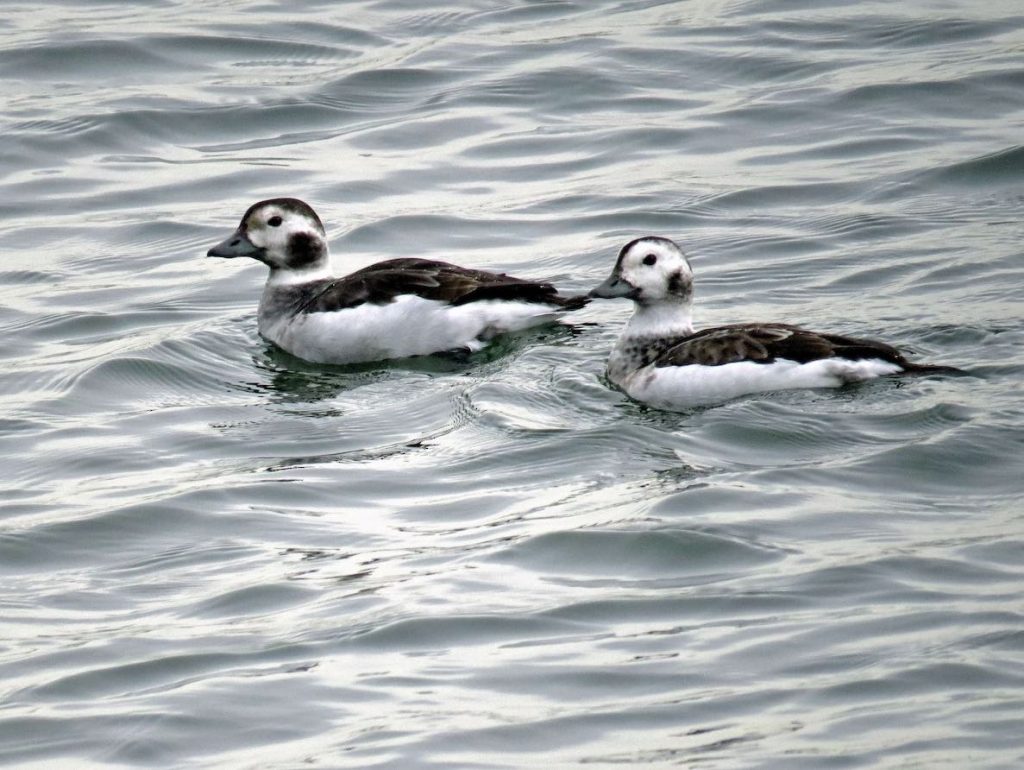
Long-tailed Duck. Greg Osborne/Macaulay Library. eBird S40248601.
Continental Summary
Light and locally moderate movements featuring Common Goldeneye, Hooded Merganser, Tundra Swan, Bonaparte’s Gull, Say’s Phoebe, American Pipit, and Rusty Blackbird, were the norm in some parts of the West, while pulses of locally moderate to heavy flights came to the East and featured Bufflehead, Hooded Merganser, Ross’s Goose, Common Loon, Rough-legged Hawk, Herring Gull, Hermit Thrush, Snow Bunting, and Dark-eyed Junco.
Curious what birds will move next? Check out our forecast.
[animation name=”analysis-27-october-3-november-2017″]
Need a review of our definitions for regions, species on the move, and migration amounts? Please visit this link.
Quick Links to Regions
Upper Midwest and Northeast |
Gulf Coast and Southeast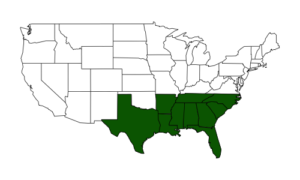 |
Great Plains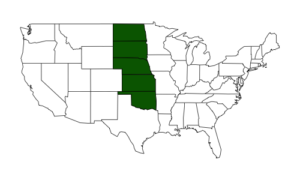 |
West |
Upper Midwest and Northeast
Local moderate flights directly behind and far ahead of a frontal boundary kicked off the period on Friday night. As the front moved east, moderate flights became slightly more widespread in its wake. However, the air mass following this frontal passage had sufficient disturbance in the form of precipitation that more widespread flights did not occur. Monday and Tuesday night saw the region’s most intense and extensive flights, first in the Ohio River Valley and then toward the coast, respectively. The next frontal boundary pushing into the region quieted migration significantly. But as it passed by Thursday night across the Great Lakes and Ohio River Valley, moderate and locally heavy flights followed.
Top Movers
[expand title=”Increasing” tag=”h3″]
[table sort=”,desc” tablesorter=”true”]
Species,Increase from Last Week[attr style=”color:green”],% of Checklists Reporting
Bufflehead,739%,8.2
Hooded Merganser,303%,6.2
Bonaparte’s Gull,175%,7.2
American Tree Sparrow,222%,5.3
Ring-necked Duck,125%,4.9
Long-tailed Duck,307%,2.4
Red-breasted Merganser,148%,4.1
Snow Bunting,581%,1.8
Common Loon,86%,7.9
Horned Grebe,161%,3.1
Lesser Scaup,174%,3.3
Common Goldeneye,392%,1.6
Fox Sparrow,113%,4.9
Rough-legged Hawk,413%,1.5
Common Redpoll,2152%,1.2
Common Merganser,105%,4.1
Brant,101%,4.4
American Coot,46%,8.4
Ruddy Duck,56%,7.1
White-winged Scoter,75%,3.3
Red Crossbill,179%,1.1
Herring Gull,14%,18.3[/table]
[/expand]
[expand title=”Decreasing” tag=”h3″]
[table sort=”,asc” tablesorter=”true”]
Species,Decrease from Last Week[attr style=”color:red”],% of Checklists Reporting
Eastern Phoebe,-68%,4.8
Palm Warbler,-74%,2.5
Ruby-crowned Kinglet,-51%,11.8
Yellow-rumped Warbler,-45%,19.3
Eastern Towhee,-54%,5.1
Gray Catbird,-77%,2
Red-winged Blackbird,-41%,15.6
White-crowned Sparrow,-48%,5.5
Swamp Sparrow,-46%,8.7
Chipping Sparrow,-44%,6.9
Lincoln’s Sparrow,-77%,0.9
Turkey Vulture,-37%,15.2
Common Grackle,-45%,7
Yellow-bellied Sapsucker,-54%,3.2
Killdeer,-45%,5.8
Northern Flicker,-35%,16.3
Savannah Sparrow,-48%,4.4
Song Sparrow,-26%,29.1
Great Egret,-50%,3.8
Brown-headed Cowbird,-56%,1.9
Orange-crowned Warbler,-67%,1
American Robin,-20%,35.6
Hermit Thrush,-42%,5.2
Osprey,-56%,1.6[/table]
[/expand]
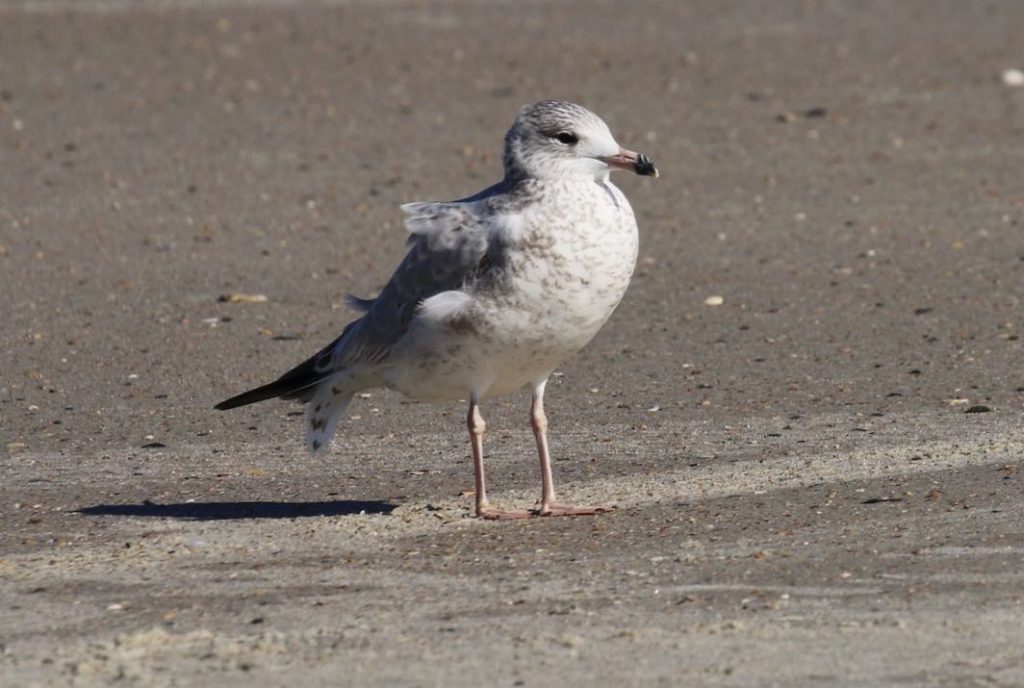
Ring-billed Gull. Mary Harrell/Macaulay Library. eBird S40254731.
Gulf Coast and Southeast
A passing frontal boundary brought favorable conditions for moderate flights to the region for the weekend. By Monday night a new wave of moderate flights arrived in Texas and portions of the Lower Mississippi River Valley. These movements were promptly shut down Tuesday night as a disturbance passed over this portion of the region, leaving only scattered light to moderate flights in evidence near the Atlantic Coast and in southern Texas. This pattern of far eastern and western pulses of migration intensified to end the period, with some flights even reaching locally heavy amounts.
Top Movers
[expand title=”Increasing” tag=”h3″]
[table sort=”,desc” tablesorter=”true”]
Species,Increase from Last Week[attr style=”color:green”],% of Checklists Reporting
Ring-necked Duck,919%,3.3
White-throated Sparrow,104%,10.1
Dark-eyed Junco,212%,3.6
Gadwall,115%,5.1
Hermit Thrush,115%,4.4
Song Sparrow,63%,13.8
Lesser Scaup,1379%,1.5
Yellow-rumped Warbler,56%,23.2
American Coot,61%,9.9
Redhead,377%,1.5
Orange-crowned Warbler,66%,6.7
Snow Goose,857%,1.2
Northern Shoveler,86%,4.9
Green-winged Teal,111%,3.9
Pied-billed Grebe,48%,13.8
American Pipit,195%,2
Ring-billed Gull,66%,5
Chipping Sparrow,47%,7.8
Swamp Sparrow,50%,7.9
Franklin’s Gull,466%,1.2
Winter Wren,82%,3.2
Dunlin,86%,3.1
Common Loon,1805%,0.8
Wilson’s Snipe,68%,3.3
Hooded Merganser,3046%,0.7[/table]
[/expand]
[expand title=”Decreasing” tag=”h3″]
[table sort=”,asc” tablesorter=”true”]
Species,Decrease from Last Week[attr style=”color:red”],% of Checklists Reporting
Indigo Bunting,-81%,1.6
White-eyed Vireo,-66%,4.1
Brown Thrasher,-47%,8.2
Common Yellowthroat,-48%,7.4
Black-throated Blue Warbler,-84%,0.7
Gray Catbird,-37%,16.5
Black-and-white Warbler,-53%,4.6
Eastern Wood-Pewee,-89%,0.5
Black-throated Green Warbler,-75%,0.8
Tennessee Warbler,-78%,0.7
Pine Warbler,-39%,7.5
Scissor-tailed Flycatcher,-59%,1.5
Nashville Warbler,-57%,0.8
Northern Flicker,-22%,16.1
Peregrine Falcon,-51%,1.2
Broad-winged Hawk,-63%,0.4
Caspian Tern,-31%,2.5
Sharp-shinned Hawk,-34%,2.2[/table]
[/expand]
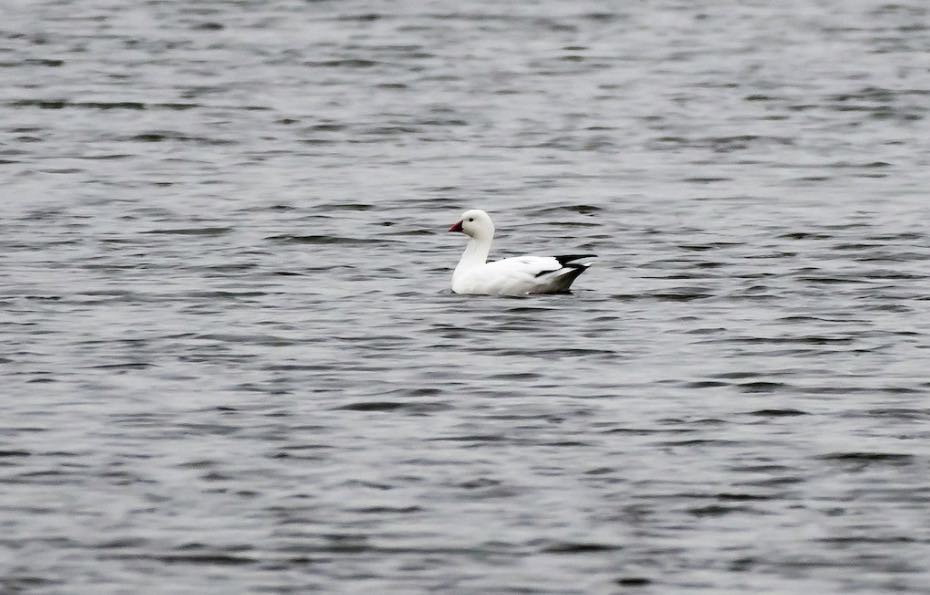
Ross’s Goose. Charles Shield/Macaulay Library. eBird S40270161.
Great Plains
Local and light movements were the norm for most of the first half of the period. By Monday night, however, the southern Plains experienced more intense flights, particularly evident over eastern Oklahoma. This burst of movement was short-lived, as the days that followed held precipitation and little if any migration. A frontal passage to end the period brought a respite from these unfavorable conditions, spawning locally moderate to heavy flights in the central and southern Plains on Thursday night.
Top Movers
[expand title=”Increasing” tag=”h3″]
[table sort=”,desc” tablesorter=”true”]
Species,Increase from Last Week[attr style=”color:green”],% of Checklists Reporting
Hooded Merganser,867%,7.6
Cackling Goose,371%,6.9
Lesser Scaup,209%,8.3
Common Loon,603%,4.6
Dark-eyed Junco,83%,41.3
Rough-legged Hawk,278%,6
Redhead,108%,11.4
American Tree Sparrow,119%,9.9
Mallard,54%,33.3
Canvasback,175%,6.9
Northern Shoveler,70%,14.4
Ring-necked Duck,98%,10
Ross’s Goose,1172%,2.3
Ruddy Duck,86%,10.3
Canada Goose,38%,31.3
Northern Pintail,87%,8.4
Ring-billed Gull,37%,26.6
Herring Gull,171%,4.2
Greater Scaup,921%,1.9
Gadwall,50%,18.7
Snow Goose,150%,4.5
Whooping Crane,-5733%,1.2
Bufflehead,88%,6.5
Bonaparte’s Gull,192%,3.8[/table]
[/expand]
[expand title=”Decreasing” tag=”h3″]
[table sort=”,asc” tablesorter=”true”]
Species,Decrease from Last Week[attr style=”color:red”],% of Checklists Reporting
Turkey Vulture,-96%,0.5
Lincoln’s Sparrow,-81%,1.6
Orange-crowned Warbler,-83%,1.2
Ruby-crowned Kinglet,-61%,5.1
Horned Lark,-67%,2.7
Franklin’s Gull,-54%,8.6
Common Grackle,-56%,5
Vesper Sparrow,-73%,1.3
Swamp Sparrow,-70%,1.5
Eastern Phoebe,-72%,1.6
Western Meadowlark,-51%,5.6
Scissor-tailed Flycatcher,-89%,0.3
Blue-winged Teal,-76%,1.1
Brown-headed Cowbird,-68%,1.4
Great Egret,-66%,1.8
Savannah Sparrow,-44%,5.9
Wood Duck,-59%,2
Chipping Sparrow,-47%,4
White-crowned Sparrow,-37%,7.3
Northern Flicker,-23%,22
Nashville Warbler,-92%,0.1
Sharp-shinned Hawk,-53%,2.3
Yellow-rumped Warbler,-18%,20
Spotted Towhee,-55%,1.7
Clay-colored Sparrow,-94%,0.1[/table]
[/expand]
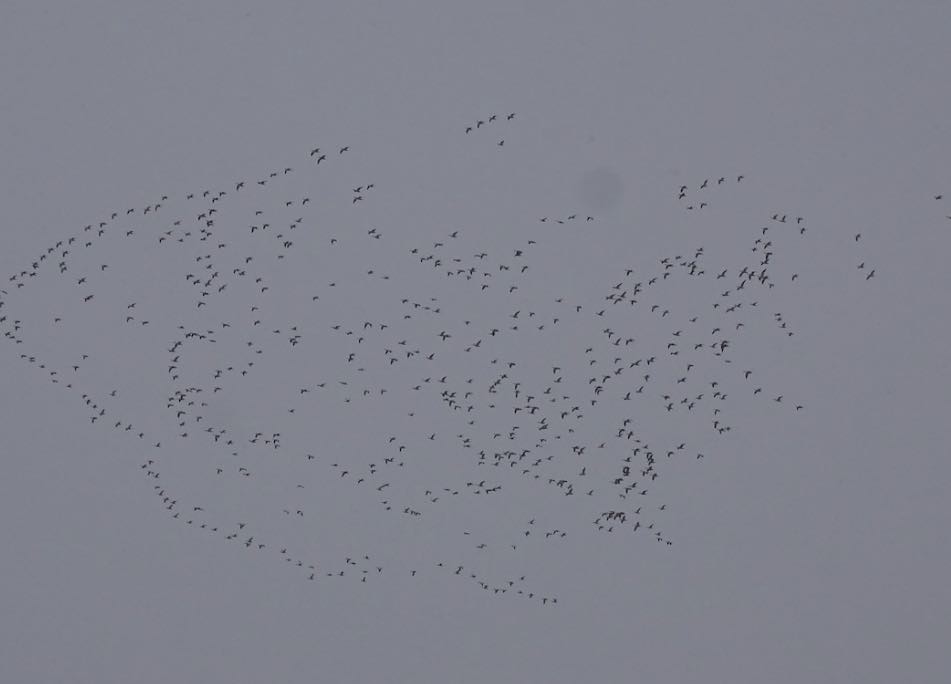
Snow Goose. John Bishop/Macaulay Library. eBird S40274121.
West
Light migration was in evidence in a number of areas for the first half of the period. Most notably, light flights occurred along the Pacific Coast south and east into the Desert Southwest, with a particular apparent area of activity in the Central Valley of California. The second half of the period saw movements continue in these areas, but most of the remainder of the region experienced noticeably less favorable conditions. Precipitation shut down flights in many areas from the Pacific Northwest south and east into the northern and central Rockies.
Top Movers
[expand title=”Increasing” tag=”h3″]
[table sort=”,desc” tablesorter=”true”]
Species,Increase from Last Week[attr style=”color:green”],% of Checklists Reporting
Bufflehead,337%,12.7
Hooded Merganser,185%,5.3
Ring-necked Duck,66%,10
American Wigeon,42%,16.4
Lesser Scaup,86%,4.7
Tundra Swan,1414%,1.3
Bonaparte’s Gull,133%,2.6
Northern Shoveler,31%,11.4
Red-breasted Merganser,166%,1.8
Ruddy Duck,31%,10.6
Canvasback,103%,2.2
Common Goldeneye,175%,0.9
American Pipit,30%,8
Northern Pintail,30%,6.7
Common Merganser,40%,3.8
Rusty Blackbird,4297%,0.4
American Avocet,43%,3.3
American Coot,15%,23.9
Snow Goose,56%,2.2
Mew Gull,35%,3.5
Say’s Phoebe,16%,11.9
Mallard,8%,31.2
Pied-billed Grebe,13%,16.2[/table]
[/expand]
[expand title=”Decreasing” tag=”h3″]
[table sort=”,asc” tablesorter=”true”]
Species,Decrease from Last Week[attr style=”color:red”],% of Checklists Reporting
Hairy Woodpecker,-36%,3.5
American Robin,-22%,17.3
Savannah Sparrow,-24%,6.5
Townsend’s Warbler,-30%,3.4
Band-tailed Pigeon,-30%,2.3
Black-throated Gray Warbler,-43%,1
Evening Grosbeak,-39%,1.2
Brewer’s Blackbird,-17%,7.3
Killdeer,-13%,12.3
Chestnut-backed Chickadee,-16%,8
Heermann’s Gull,-28%,2.1
Sandhill Crane,-31%,1.4
Red-winged Blackbird,-11%,14.5
Sanderling,-35%,0.9
Orange-crowned Warbler,-17%,5.6
Hutton’s Vireo,-21%,2.7
House Wren,-14%,4.9
Red Crossbill,-24%,1.6
Red-breasted Nuthatch,-8%,11.5
Horned Lark,-19%,2.3
Pine Siskin,-9%,8.6[/table]
[/expand]
–––––––––––––––––––––––––––––––––––
Farnsworth and Van Doren
Scientific Team
BirdCast is made possible by the participating scientists at the below institutions, and many other contributors.