


Regional Migration Analysis: 25 August – 1 September 2017
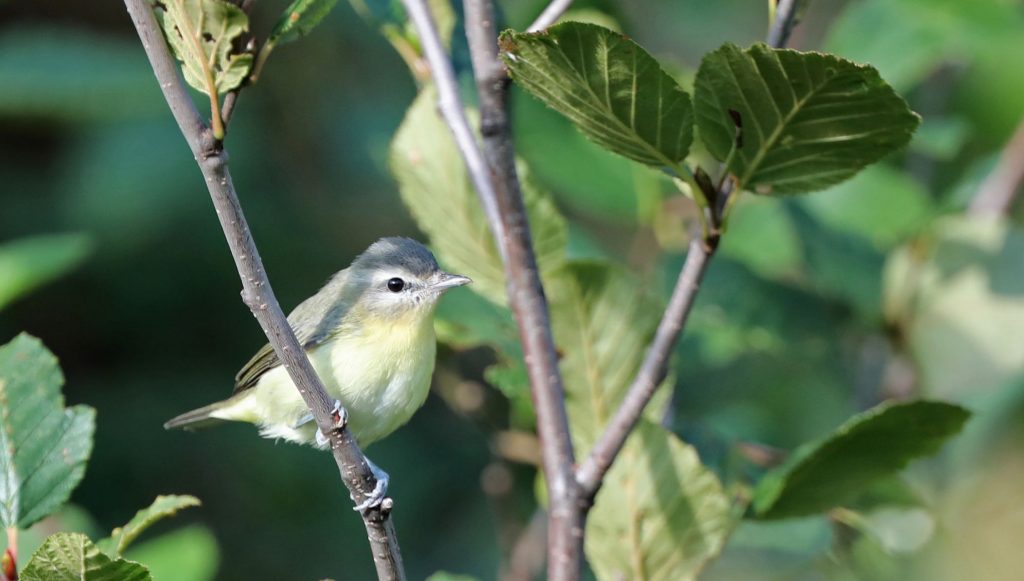
Philadelphia Vireo. Daniel Jauvin/Macaulay Library. eBird S38795447.
Continental Summary
Light to moderate movements were the norm in the West and featured American Wigeon, Northern Pintail, Green-winged Teal, Wilson’s Warbler, Townsend’s Warbler, and Green-tailed Towhee, while moderate to locally heavy flights were common in the East and featured American Golden-Plover, Swainson’s Thrush, Canada Warbler, Nashville Warbler, Bay-breasted Warbler, and Baltimore Oriole. Hurricane Harvey slammed Texas, bringing with it large numbers of Magnificent Frigatebirds and terns.
Curious what birds will move next? Check out our forecast.
[animation name=”analysis-25-august-1-september-2017″]
Need a review of our definitions for regions, species on the move, and migration amounts? Please visit this link.
Quick Links to Regions
Upper Midwest and Northeast |
Gulf Coast and Southeast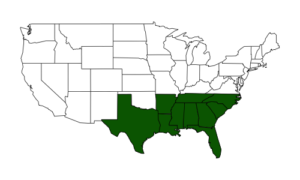 |
Great Plains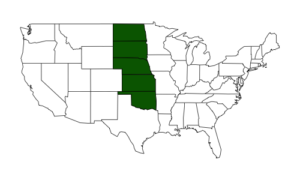 |
West |
Upper Midwest and Northeast
Moderate to locally heavy movement,s primarily east of the Ohio River Valley, kicked off the weekend. These were followed by similarly intense movements in the Upper Midwest to begin the work week. Gradually these movements spread east, becoming more widespread across the region as the period progressed. By Thursday night moderate to locally heavy flights were apparent from the central Great Lakes east through the Ohio River Valley to the mid Atlantic and southern New England coasts.
Top Movers
[expand title=”Increasing” tag=”h3″]
[table sort=”,desc” tablesorter=”true”]
Species,Increase from Last Week[attr style=”color:green”],% of Checklists Reporting
Magnolia Warbler,88%,7.3
Tennessee Warbler,86%,5
American Redstart,42%,15.7
Chestnut-sided Warbler,53%,7.5
Blackburnian Warbler,66%,4.2
Common Nighthawk,55%,6.9
Bay-breasted Warbler,109%,1.9
Wilson’s Warbler,88%,2.6
Black-throated Green Warbler,62%,4.1
Black-and-white Warbler,40%,10.5
Swainson’s Thrush,102%,1.9
Nashville Warbler,64%,3
Blackpoll Warbler,99%,1.5
Least Flycatcher,46%,4.3
American Golden-Plover,77%,1.8
White-breasted Nuthatch,12%,30
Red-eyed Vireo,19%,19.1
Warbling Vireo,37%,6.6
Red-bellied Woodpecker,13%,23
Cape May Warbler,73%,1.8
Blue Jay,8%,46.6
Northern Flicker,14%,20.2
Common Yellowthroat,21%,15.7
Philadelphia Vireo,96%,1
Northern Parula,61%,2.3
[/table]
[/expand]
[expand title=”Decreasing” tag=”h3″]
[table sort=”,asc” tablesorter=”true”]
Species,Decrease from Last Week[attr style=”color:red”],% of Checklists Reporting
Eastern Kingbird,-41%,7.9
Purple Martin,-39%,2.8
Indigo Bunting,-36%,5.6
Barn Swallow,-20%,22.7
Cliff Swallow,-37%,1.4
Yellow Warbler,-27%,3.7
Red-winged Blackbird,-18%,11.9
Yellow-billed Cuckoo,-22%,3
Song Sparrow,-15%,24.1
Spotted Sandpiper,-15%,7.8
Bank Swallow,-24%,2.6
Fish Crow,-17%,4
Black Tern,-30%,0.9
Tree Swallow,-11%,13
Sedge Wren,-48%,0.4
Blue Grosbeak,-21%,2
Baltimore Oriole,-9%,9.3
Chipping Sparrow,-9%,12.9
Short-billed Dowitcher,-16%,3.3
Black-necked Stilt,-42%,0.2
Great Black-backed Gull,-10%,6.6
Common Grackle,-8%,14.2
Swamp Sparrow,-22%,1.7
[/table]
[/expand]

Black Tern. Jane Mann/Macaulay Library. eBird S38800297.
Gulf Coast and Southeast
Hurricane Harvey brought unprecedented and devastating rain, in addition to powerful wind, as it lumbered ashore and then back to the Gulf again before heading north and east over the Mississippi River. Light to moderate movements were the norm in many areas of there Gulf of Mexico region as it came ashore, and its effects were probably farther reaching than they appeared from a bird migration perspective. By Monday night, as the storm moved slowly north and east, moderate and heavy flights followed in its wake over Texas. Some areas of Florida also experienced intense movements. As the system moved farther away from the Gulf, migration intensities stayed more or less constant with moderate to locally heavy flights continuing to the west of the storm and generally more local moderate flights to its east. Note, the species list below includes Hurricane Harvey displaced birds as well as the usual movers.
Top Movers
[expand title=”Increasing” tag=”h3″]
[table sort=”,desc” tablesorter=”true”]
Species,Increase from Last Week[attr style=”color:green”],% of Checklists Reporting
American Redstart,54%,7.6
Magnificent Frigatebird,71%,3.3
Black-and-white Warbler,37%,6.3
Northern Parula,28%,8.9
Northern Waterthrush,72%,2.5
Eastern Wood-Pewee,24%,8.7
Hooded Warbler,39%,4
Red-shouldered Hawk,16%,16
Yellow Warbler,21%,8.1
Baltimore Oriole,88%,1.6
Blue-gray Gnatcatcher,13%,21
Canada Warbler,89%,1.3
Bank Swallow,38%,2.8
White-eyed Vireo,15%,12.9
Blue-winged Teal,35%,4.3
Least Flycatcher,59%,1.3
Bald Eagle,25%,3.3
Loggerhead Shrike,15%,6.9
Royal Tern,14%,8.2
Belted Kingfisher,12%,9.7
Black Tern,19%,4.7
Wilson’s Warbler,88%,0.7
Sooty Tern,92%,0.8
Yellow-throated Vireo,23%,2.8
Forster’s Tern,16%,5.1
[/table]
[/expand]
[expand title=”Decreasing” tag=”h3″]
[table sort=”,asc” tablesorter=”true”]
Species,Decrease from Last Week[attr style=”color:red”],% of Checklists Reporting
Mississippi Kite,-32%,3.8
Indigo Bunting,-34%,3.7
Blue Grosbeak,-24%,4.8
Black-chinned Hummingbird,-29%,2
Upland Sandpiper,-50%,0.6
Yellow-billed Cuckoo,-23%,4.1
Western Wood-Pewee,-80%,0.1
Eastern Towhee,-12%,10.9
Western Kingbird,-32%,0.9
Chipping Sparrow,-19%,3.9
Gull-billed Tern,-35%,0.5
Eastern Meadowlark,-23%,1.7
Roseate Spoonbill,-15%,3.2
American Robin,-10%,7.2
Field Sparrow,-22%,1.8
White Ibis,-6%,12.7
Eastern Bluebird,-8%,13.4
Pectoral Sandpiper,-15%,4.4
Broad-tailed Hummingbird,-64%,0.1
Long-billed Dowitcher,-27%,0.7
[/table]
[/expand]

Swainson’s Thrush. Doris Guimond et Claude Gagnon/Macaulay Library. eBird S38464026.
Great Plains
Scattered light to locally moderate flights gave way to more widespread moderate flights over the first few days of the forecast period. These flights intensified in the southern Plains by Tuesday, but thereafter the region was mostly quiet for the remainder of the period. Note that some of the most intense movements in the southern Plains were associated with the passage to the east of Hurricane Harvey’s remnants.
Top Movers
[expand title=”Increasing” tag=”h3″]
[table sort=”,desc” tablesorter=”true”]
Species,Increase from Last Week[attr style=”color:green”],% of Checklists Reporting
Wilson’s Warbler,101%,8.1
Nashville Warbler,140%,3.4
Warbling Vireo,72%,12.4
American Redstart,72%,7.7
Red-eyed Vireo,45%,13.9
Olive-sided Flycatcher,67%,6.8
Least Flycatcher,54%,8.3
Chestnut-sided Warbler,108%,3.1
Black-and-white Warbler,81%,4.2
Brown Thrasher,44%,10.8
Red-shouldered Hawk,50%,7.3
Roseate Spoonbill,115%,2.5
Ovenbird,93%,2.8
Blue-headed Vireo,117%,1.8
Swainson’s Thrush,135%,1.6
Tennessee Warbler,100%,2.2
Baltimore Oriole,22%,17.1
Canada Warbler,99%,2
Downy Woodpecker,15%,24.6
Magnolia Warbler,97%,1.7
Gray Catbird,21%,11
Bald Eagle,31%,7.9
Red-bellied Woodpecker,14%,16.3
Yellow-bellied Flycatcher,88%,1.4
[/table]
[/expand]
[expand title=”Decreasing” tag=”h3″]
[table sort=”,asc” tablesorter=”true”]
Species,Decrease from Last Week[attr style=”color:red”],% of Checklists Reporting
Forster’s Tern,-61%,1.4
Purple Martin,-71%,1.2
Western Kingbird,-61%,2.4
Cliff Swallow,-44%,4.2
Black Tern,-54%,1.5
Eastern Kingbird,-26%,17.4
Wilson’s Phalarope,-66%,0.7
Sedge Wren,-45%,1.7
Indigo Bunting,-37%,6
Pectoral Sandpiper,-39%,3.1
Chimney Swift,-22%,7.2
Lark Bunting,-86%,0.1
Song Sparrow,-29%,3.2
Mallard,-14%,13.1
Barn Swallow,-10%,32
Tree Swallow,-29%,2.7
Wilson’s Snipe,-72%,0.3
Western Meadowlark,-25%,5.2
White-winged Dove,-46%,1
Lark Sparrow,-27%,3.3
Upland Sandpiper,-42%,1.4
Scissor-tailed Flycatcher,-21%,4.7
Least Tern,-87%,0.1
Greater Yellowlegs,-23%,2.8
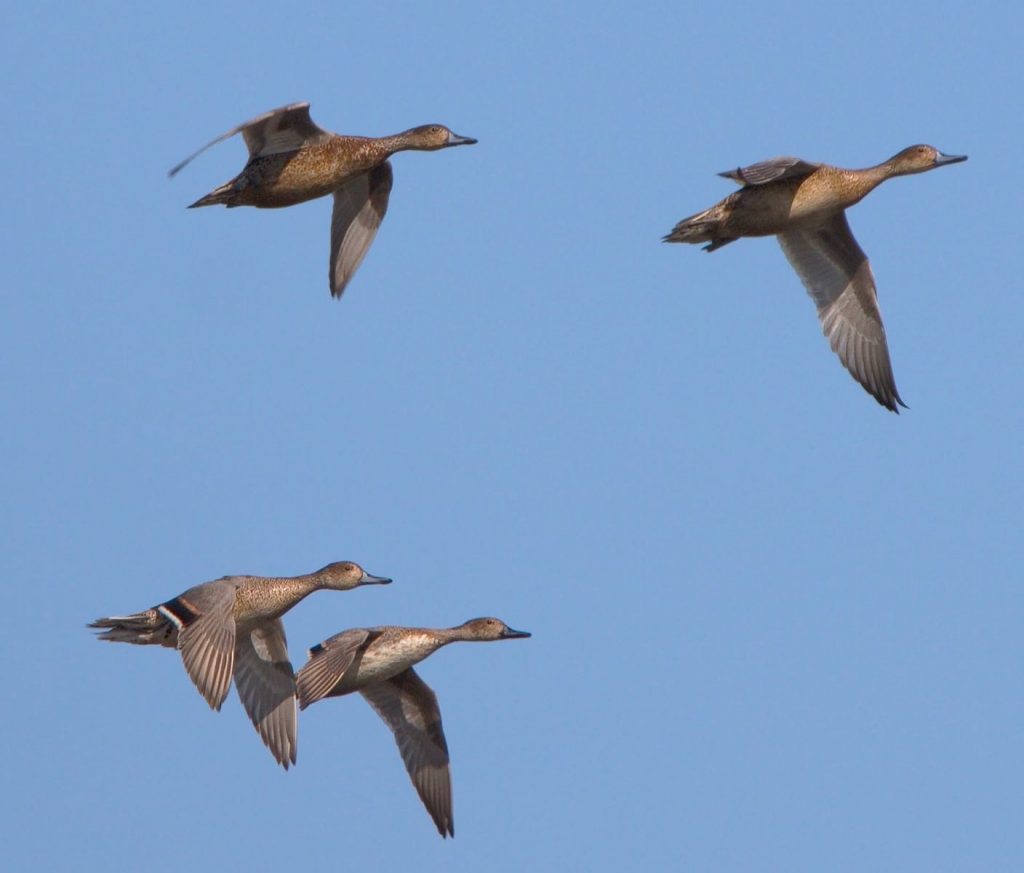
Northern Pintail. DigiBirdTrek/Macaulay Library. eBird S38846363.
West
Light and moderate flights were the norm around the region for the period, despite some widely scattered precipitation in the mountainous regions of the West. Some of these flights were more intense, particularly to begin the period in the southern Rockies and to end the period in the northern Rockies and Great Basin.
Top Movers
[expand title=”Increasing” tag=”h3″]
[table sort=”,desc” tablesorter=”true”]
Species,Increase from Last Week[attr style=”color:green”],% of Checklists Reporting
Wilson’s Warbler,25%,13.5
American Wigeon,57%,2.9
Killdeer,13%,20.8
Green-winged Teal,23%,5.3
Orange-crowned Warbler,16%,7.9
Northern Pintail,29%,3.4
Northern Shoveler,18%,5.2
Black Phoebe,9%,18
Mallard,7%,27.6
Song Sparrow,10%,20.9
Gadwall,15%,5
Warbling Vireo,16%,4.9
Cooper’s Hawk,11%,7.6
Townsend’s Warbler,22%,2.4
Common Yellowthroat,9%,10
Sanderling,18%,1.8
Green-tailed Towhee,18%,2.1
[/table]
[/expand]
[expand title=”Decreasing” tag=”h3″]
[table sort=”,asc” tablesorter=”true”]
Species,Decrease from Last Week[attr style=”color:red”],% of Checklists Reporting
Cliff Swallow,-44%,2.7
Eastern Kingbird,-39%,1.8
Western Wood-Pewee,-26%,7.7
Rufous Hummingbird,-23%,4.9
Tree Swallow,-29%,2.5
Pigeon Guillemot,-36%,1.3
Bullock’s Oriole,-31%,1.6
Cassin’s Sparrow,-76%,0.1
Baird’s Sandpiper,-27%,2.3
Common Nighthawk,-27%,1.6
Northern Rough-winged Swallow,-23%,2.6
Black-headed Grosbeak,-16%,5.8
Barn Swallow,-7%,23.9
Brown-headed Cowbird,-21%,3
Turkey Vulture,-9%,19.1
Bald Eagle,-19%,2.7
Western Kingbird,-11%,6.6
Black-bellied Plover,-25%,1.5
Red Crossbill,-24%,1.5
Mountain Chickadee,-10%,7.4
Red-faced Warbler,-80%,0
[/table]
[/expand]
–––––––––––––––––––––––––––––––––––
Farnsworth and Van Doren
Scientific Team
BirdCast is made possible by the participating scientists at the below institutions, and many other contributors.