


Regional Migration Analysis: 23-30 September 2016
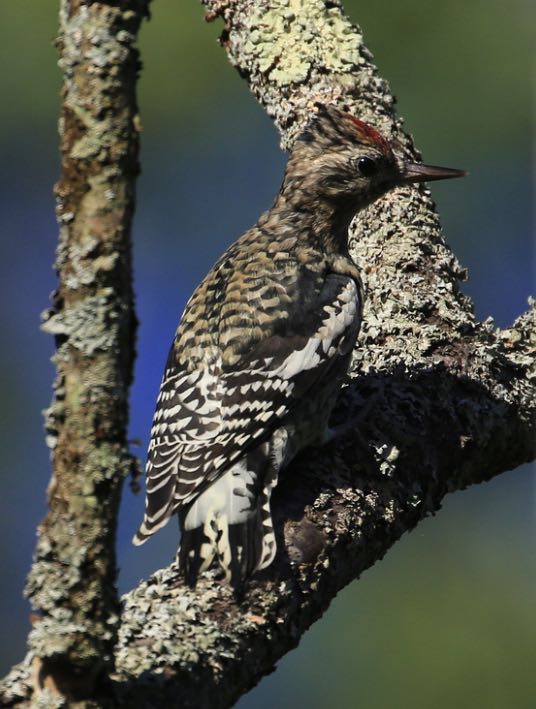
Yellow-bellied Sapsucker. Tim Lenz/Macaulay Library. eBird S31793165.
Continental Summary
Widespread light to moderate movements dominated the first half of the forecast period in the West and featured Cackling Goose, Greater White-fronted Goose, Dunlin, Varied Thrush, Hermit Thrush, American Pipit, Yellow-rumped Warbler and Palm Warbler, Golden-crowned Sparrow, while pulses of moderate to very heavy flights graced the East and featured Pied-billed Grebe, Yellow-bellied Sapsucker, Ruby-crowned Kinglet, Golden-crowned Kinglet, Sprague’s Pipit, Orange-crowned Warbler, Rusty Blackbird, Brewer’s Blackbird, White-throated Sparrow, White-crowned Sparrow, and Dark-eyed Junco.
Curious what birds will move next? Check out our forecast.
[animation name=”analysis-23-30-september-2016″]
Need a review of our definitions for regions, species on the move, and migration amounts? Please visit this link.
Quick Links to Regions
Upper Midwest and Northeast |
Gulf Coast and Southeast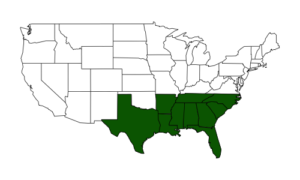 |
Great Plains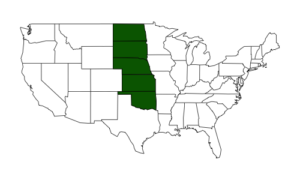 |
West |
Upper Midwest and Northeast
Moderate to heavy flights occurred across the region during this period, with some of these movements less widespread than others. Friday through Monday was a particularly active and extensive period of such movements, nicely highlighting the arrival of two different bouts of favorable air masses in which birds moved. Note also, some lucky observers experienced these locally intense movements, a nice description of which comes in this account of a fallout event on 23-24 September from John Kearney in Nova Scotia. The second half of the forecast period saw generally less extensive movements, though still similarly intense; mostly the extents were restricted by disturbances and their associated precipitation passing through the region.
Top Movers
[expand title=”Increasing” tag=”h3″]
[table sort=”,desc” tablesorter=”true”]
Species,Increase from Last Week[attr style=”color:green”],% of Checklists Reporting
White-crowned Sparrow,325%,5.5
White-throated Sparrow,170%,18.5
Ruby-crowned Kinglet,133%,13.2
Dark-eyed Junco,229%,7
Golden-crowned Kinglet,155%,6.8
Yellow-rumped Warbler,97%,21.4
Orange-crowned Warbler,221%,2.5
Swamp Sparrow,72%,8.5
Winter Wren,144%,2.4
Lincoln’s Sparrow,74%,6.3
Yellow-bellied Sapsucker,69%,6.7
Brown Creeper,71%,4
Harris’s Sparrow,438%,0.7
Palm Warbler,34%,15.1
Rusty Blackbird,87%,1.3
Fox Sparrow,298%,0.4
Pied-billed Grebe,40%,7.2
Ruddy Duck,60%,1.6
Hermit Thrush,54%,1.9
Franklin’s Gull,108%,0.9
Savannah Sparrow,29%,5.8
Le Conte’s Sparrow,458%,0.3
American Pipit,43%,2.6
Nelson’s Sparrow,81%,0.7
Ring-necked Duck,72%,0.7
[/table]
[/expand]
[expand title=”Decreasing” tag=”h3″]
[table sort=”,asc” tablesorter=”true”]
Species,Decrease from Last Week[attr style=”color:red”],% of Checklists Reporting
Warbling Vireo,-80%,0.4
Yellow-throated Vireo,-62%,0.9
Ruby-throated Hummingbird,-41%,7.3
Common Nighthawk,-87%,0.2
White-eyed Vireo,-45%,2
Green Heron,-42%,3
Eastern Wood-Pewee,-36%,7
Red-eyed Vireo,-34%,8.7
Least Sandpiper,-41%,3
Blue-gray Gnatcatcher,-59%,0.6
Semipalmated Plover,-43%,2
American Redstart,-25%,11.5
Wilson’s Warbler,-40%,1.5
Acadian Flycatcher,-75%,0.1
Semipalmated Sandpiper,-47%,1.5
Solitary Sandpiper,-44%,1.2
Veery,-56%,0.5
Olive-sided Flycatcher,-88%,0
Chestnut-sided Warbler,-30%,2.9
Least Flycatcher,-45%,0.8
Sanderling,-39%,1.7
Lesser Yellowlegs,-32%,3.5
Killdeer,-21%,11.6
Stilt Sandpiper,-62%,0.4
[/table]
[/expand]
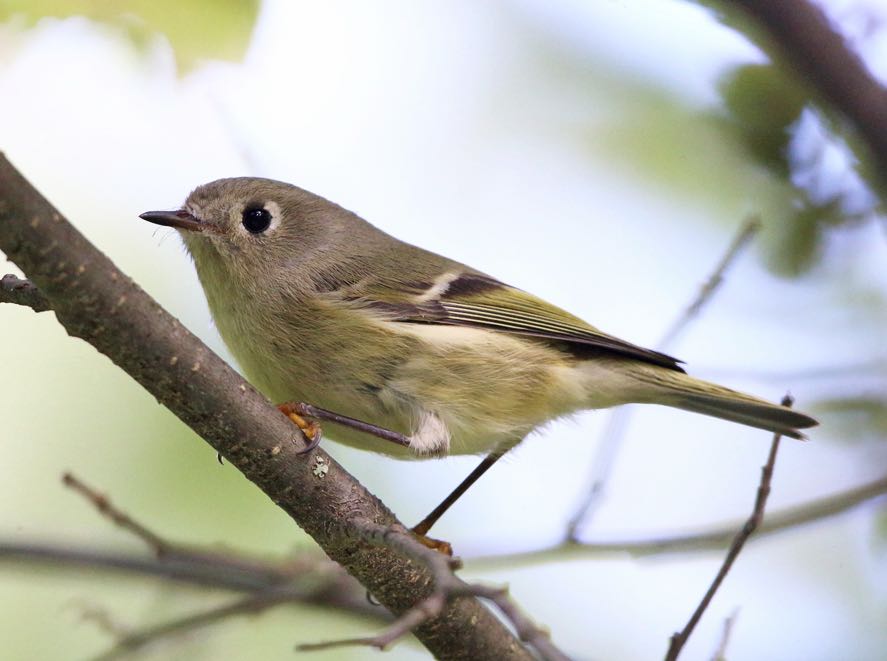
Ruby-crowned Kinglet. Tom Murray/Macaulay Library. eBird S31811371.
Gulf Coast and Southeast
Light to moderate flights were the norm for the weekend, as less than favorable migration conditions persisted in most areas. Monday night brought the arrival of some changes, including the passage of a frontal boundary that spawned significantly heavier movements west of the Appalachians through Texas. However, some lingering poor visibility conditions associated with the passage of the frontal boundary resulted in an dangerous combination of artificial light and nocturnally migrating birds flying into the unfavorable conditions and was responsible for killing more than 250 birds in Tennessee (see this story). With the passage of this frontal boundary, generally favorable migration conditions prevailed for the remainder of the period, when moderate to heavy flights dominated the migration scene across much of the region.
Top Movers
[expand title=”Increasing” tag=”h3″]
[table sort=”,desc” tablesorter=”true”]
Species,Increase from Last Week[attr style=”color:green”],% of Checklists Reporting
Ruby-crowned Kinglet,832%,3.8
Tennessee Warbler,99%,10.2
Palm Warbler,66%,9.8
House Wren,140%,4.8
Gray Catbird,54%,20.6
Swainson’s Thrush,59%,12.2
Nashville Warbler,191%,4.2
Rose-breasted Grosbeak,63%,8.8
Bay-breasted Warbler,125%,2.4
Yellow-rumped Warbler,590%,1.3
Northern Flicker,48%,12.9
American Kestrel,59%,8
Orange-crowned Warbler,485%,1.3
Peregrine Falcon,85%,2.9
Magnolia Warbler,43%,13.3
Pied-billed Grebe,66%,8.9
Common Yellowthroat,30%,19.5
Gray-cheeked Thrush,63%,2.8
Philadelphia Vireo,62%,2.6
Yellow-bellied Sapsucker,495%,0.8
Marsh Wren,116%,1.1
Brown Thrasher,20%,22.6
Eastern Phoebe,21%,17
Blue-headed Vireo,45%,3.1[/table]
[/expand]
[expand title=”Decreasing” tag=”h3″]
[table sort=”,asc” tablesorter=”true”]
Species,Decrease from Last Week[attr style=”color:red”],% of Checklists Reporting
Purple Martin,-80%,0.2
Eastern Kingbird,-39%,2.1
Great Crested Flycatcher,-33%,3.2
Kentucky Warbler,-56%,0.4
Semipalmated Sandpiper,-48%,0.8
Baltimore Oriole,-28%,3.3
American Black Duck,-82%,0
Gray Kingbird,-62%,0.2
Semipalmated Plover,-27%,2.6
Orchard Oriole,-54%,0.3
Common Nighthawk,-37%,0.8
Cerulean Warbler,-73%,0.1
Alder Flycatcher,-64%,0.1
Black-bellied Plover,-26%,2.6
Wilson’s Phalarope,-79%,0.1
Seaside Sparrow,-55%,0.3
Prothonotary Warbler,-31%,1
Short-billed Dowitcher,-30%,1.1
Stilt Sandpiper,-41%,0.6
Willet,-17%,5
Cassin’s Sparrow,-67%,0.1
Bell’s Vireo,-75%,0.1
[/table]
[/expand]
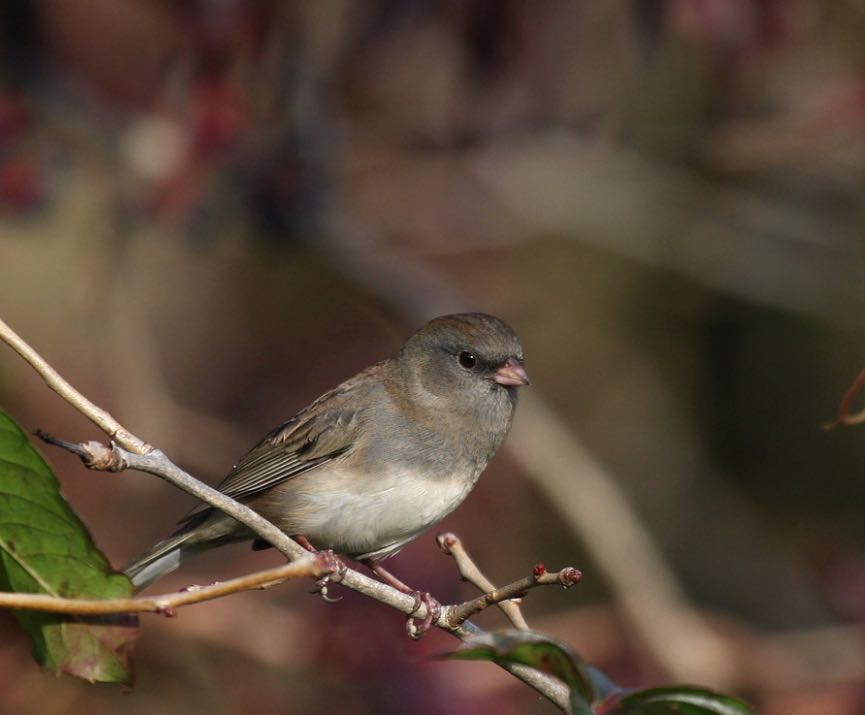
Dark-eyed Junco. Yves Dugré/Macaulay Library. eBird S31794968.
Great Plains
Moderate to very heavy flights arrived on Saturday and Sunday nights with the passage of a cold front, ushering in a wave of migrants across the region. As high pressure built in following this frontal passage, conditions became generally more marginal and unfavorable for widespread movements. Intensities waned to light to moderate levels in many areas, and the extents of these flights was also significantly more restricted relative to the weekend’s flights. By the end of the period, migration was limited to isolated areas of the central and southern Plains, with high pressure and southerly flow in control and keeping most birds on the ground.
Top Movers
[expand title=”Increasing” tag=”h3″]
[table sort=”,desc” tablesorter=”true”]
Species,Increase from Last Week[attr style=”color:green”],% of Checklists Reporting
Dark-eyed Junco,404%,14.3
Ruby-crowned Kinglet,151%,22.1
Harris’s Sparrow,185%,6.9
White-throated Sparrow,113%,10.7
Yellow-rumped Warbler,104%,22.8
Lincoln’s Sparrow,145%,9.8
Fox Sparrow,342%,2.3
White-crowned Sparrow,103%,8.3
Swamp Sparrow,284%,2.3
Orange-crowned Warbler,60%,17.7
Savannah Sparrow,74%,7.1
Golden-crowned Kinglet,438%,1.1
Song Sparrow,63%,8.7
Brewer’s Blackbird,121%,2.2
Pied-billed Grebe,43%,20.7
Spotted Towhee,64%,4.9
Red-bellied Woodpecker,41%,28.4
Eastern Meadowlark,41%,6.3
Vesper Sparrow,34%,6.2
Palm Warbler,55%,2.6
White-breasted Nuthatch,39%,23
Sprague’s Pipit,276%,0.4
Hermit Thrush,79%,1.3
[/table]
[/expand]
[expand title=”Decreasing” tag=”h3″]
[table sort=”,asc” tablesorter=”true”]
Species,Decrease from Last Week[attr style=”color:red”],% of Checklists Reporting
Red-eyed Vireo,-99%,0.1
Yellow Warbler,-83%,0.7
Blue-gray Gnatcatcher,-97%,0.1
Wilson’s Warbler,-61%,2.2
Semipalmated Plover,-98%,0
Say’s Phoebe,-89%,0.2
Eastern Wood-Pewee,-64%,1.1
Northern Parula,-69%,0.6
Chimney Swift,-53%,6.4
Black-and-white Warbler,-75%,0.5
Yellow-billed Cuckoo,-80%,0.4
Swainson’s Thrush,-63%,0.6
Gray Catbird,-37%,6
American Redstart,-64%,0.5
Common Nighthawk,-45%,2.5
Caspian Tern,-65%,0.5
Rose-breasted Grosbeak,-74%,0.3
Eastern Kingbird,-93%,0.1
Ruby-throated Hummingbird,-27%,9
Northern Mockingbird,-44%,5.4
White-eyed Vireo,-66%,0.4
American Wigeon,-45%,1.9
Barn Swallow,-31%,10.9
Least Flycatcher,-54%,1.5
Western Tanager,-66%,0.2
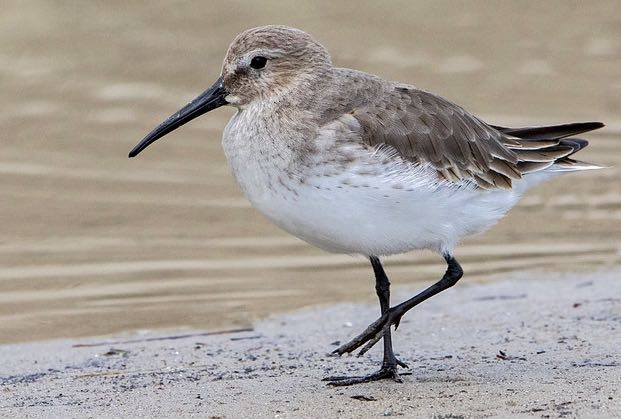
Dunlin. Bradley Hacker/Macaulay Library. eBird S31665132.
West
Widespread light to moderate flights kicked off the beginning of the period across much of the region. These flights continued in many areas into the work week, though with lesser intensity. As the period drew to a close, scattered precipitation kept birds grounded in many areas, and less than favorable winds kept movements light and local in most areas free of precipitation.
Top Movers
[expand title=”Increasing” tag=”h3″]
[table sort=”,desc” tablesorter=”true”]
Species,Increase from Last Week[attr style=”color:green”],% of Checklists Reporting
Golden-crowned Sparrow,62%,15.8
Cackling Goose,111%,3
Yellow-rumped Warbler,51%,27.3
Greater White-fronted Goose,95%,2.9
Ruby-crowned Kinglet,45%,14.6
Hermit Thrush,63%,4.1
White-crowned Sparrow,31%,35
American Pipit,57%,6.1
Fox Sparrow,38%,7.6
Lincoln’s Sparrow,36%,11.6
Dunlin,125%,1.4
American Wigeon,25%,8.4
Long-billed Dowitcher,25%,4.8
Green-winged Teal,26%,8.3
Golden-crowned Kinglet,21%,6.2
Sandhill Crane,43%,2.7
White-throated Sparrow,102%,0.6
Northern Flicker,12%,33.4
Black-bellied Plover,27%,3.1
Glaucous-winged Gull,20%,5.1
Common Loon,24%,3.4
Palm Warbler,157%,0.4
Varied Thrush,58%,0.9
[/table]
[/expand]
[expand title=”Decreasing” tag=”h3″]
[table sort=”,asc” tablesorter=”true”]
Species,Decrease from Last Week[attr style=”color:red”],% of Checklists Reporting
Wilson’s Warbler,-46%,5.7
Vaux’s Swift,-52%,1.3
Violet-green Swallow,-59%,1.5
Willow Flycatcher,-48%,1
Barn Swallow,-36%,8.1
Pacific-slope Flycatcher,-36%,3.1
MacGillivray’s Warbler,-43%,1
Black-chinned Hummingbird,-45%,1.4
Caspian Tern,-38%,2.6
Western Tanager,-29%,4.3
Broad-tailed Hummingbird,-50%,0.7
Western Wood-Pewee,-37%,2.7
Red-necked Phalarope,-36%,1.2
Rufous Hummingbird,-55%,0.5
Yellow Warbler,-25%,7.4
Black Tern,-83%,0
Gray Catbird,-47%,0.4
Olive-sided Flycatcher,-60%,0.2
Hooded Oriole,-61%,0.2
Solitary Sandpiper,-70%,0.1
Cliff Swallow,-55%,0.4
Forster’s Tern,-25%,2
Bank Swallow,-71%,0.1
[/table]
[/expand]
–––––––––––––––––––––––––––––––––––
Farnsworth and Van Doren
Scientific Team
BirdCast is made possible by the participating scientists at the below institutions, and many other contributors.