


Regional Migration Analysis: 18-25 August 2017

American Golden-Plover. Aidan Kiley/Macaulay Library. eBird S38789504.
Continental Summary
Light to moderate flights featuring Western Grebe, Clark’s Grebe, Pectoral Sandpiper, Red-headed Woodpecker, Wilson’s Warbler, Townsend’s Warbler, and Nashville Warbler were the norm in the West, particularly toward the end of the forecast period, while widespread moderate to locally heavy flights featuring Blue-winged Teal, Northern Shoveler, American Golden-Plover, Yellow-bellied Flycatcher, Nashville Warbler, Wilson’s Warbler were the norm for the East. The total solar eclipse of 21 August also featured some interesting “migration” behaviors, please see our post to check out the observations!
Curious what birds will move next? Check out our forecast.
[animation name=”analysis-18-25-august-2017″]
Need a review of our definitions for regions, species on the move, and migration amounts? Please visit this link.
Quick Links to Regions
Upper Midwest and Northeast |
Gulf Coast and Southeast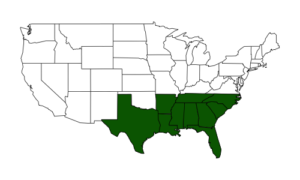 |
Great Plains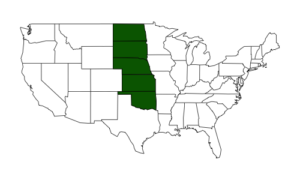 |
West |
Upper Midwest and Northeast
Scattered light to moderate flights occurred across the region on the weekend, with the most intense flights occurring in the Upper Midwest on Sunday night. With the passage of a frontal boundary on Tuesday, more intense flights occurred in its wake; moderate to locally heavy flights were apparent from Minnesota south through the central Mississippi River Valley. Flights of this intensity gradually shifted farther east to end the period, as more favorable migration conditions spread into the region with the movement of the frontal boundary to the east.
Top Movers
[expand title=”Increasing” tag=”h3″]
[table sort=”,desc” tablesorter=”true”]
Species,Increase from Last Week[attr style=”color:green”],% of Checklists Reporting
Common Nighthawk,76%,4.1
Tennessee Warbler,128%,1.8
Magnolia Warbler,111%,2.3
Canada Warbler,85%,2.8
Chestnut-sided Warbler,60%,4.3
Blackburnian Warbler,92%,2.1
Least Flycatcher,68%,2.9
Black-and-white Warbler,44%,6.9
American Redstart,37%,9.8
Wilson’s Warbler,160%,1
Blue-winged Teal,42%,3.6
Olive-sided Flycatcher,74%,1.5
Baird’s Sandpiper,55%,2.3
Baltimore Oriole,17%,12.1
Green-winged Teal,56%,2
Yellow-bellied Flycatcher,100%,0.9
American Golden-Plover,115%,0.7
Red-eyed Vireo,13%,15.7
Turkey Vulture,9%,20.9
Buff-breasted Sandpiper,84%,1
Swainson’s Thrush,125%,0.6
Ovenbird,47%,2.6
Blue-winged Warbler,44%,1.8
Eastern Wood-Pewee,7%,21.3
[/table]
[/expand]
[expand title=”Decreasing” tag=”h3″]
[table sort=”,asc” tablesorter=”true”]
Species,Decrease from Last Week[attr style=”color:red”],% of Checklists Reporting
Indigo Bunting,-36%,7.9
Yellow Warbler,-42%,4
Song Sparrow,-20%,26.5
Purple Martin,-32%,4.4
Red-winged Blackbird,-25%,13.8
Eastern Kingbird,-23%,14.1
Barn Swallow,-14%,28.4
Swamp Sparrow,-38%,1.7
Cliff Swallow,-31%,2.1
Northern Rough-winged Swallow,-25%,3.3
Bank Swallow,-25%,3.1
Chipping Sparrow,-13%,13.9
Tree Swallow,-13%,14.2
Marsh Wren,-29%,1.4
Sedge Wren,-36%,0.7
Eastern Towhee,-14%,7.8
Least Bittern,-40%,0.4
Cedar Waxwing,-7%,23.5
Dickcissel,-39%,0.5
Common Grackle,-8%,15.7
Green Heron,-8%,10.3
Glossy Ibis,-24%,1.1
Field Sparrow,-15%,5.2
Short-billed Dowitcher,-12%,3.7
[/table]
[/expand]
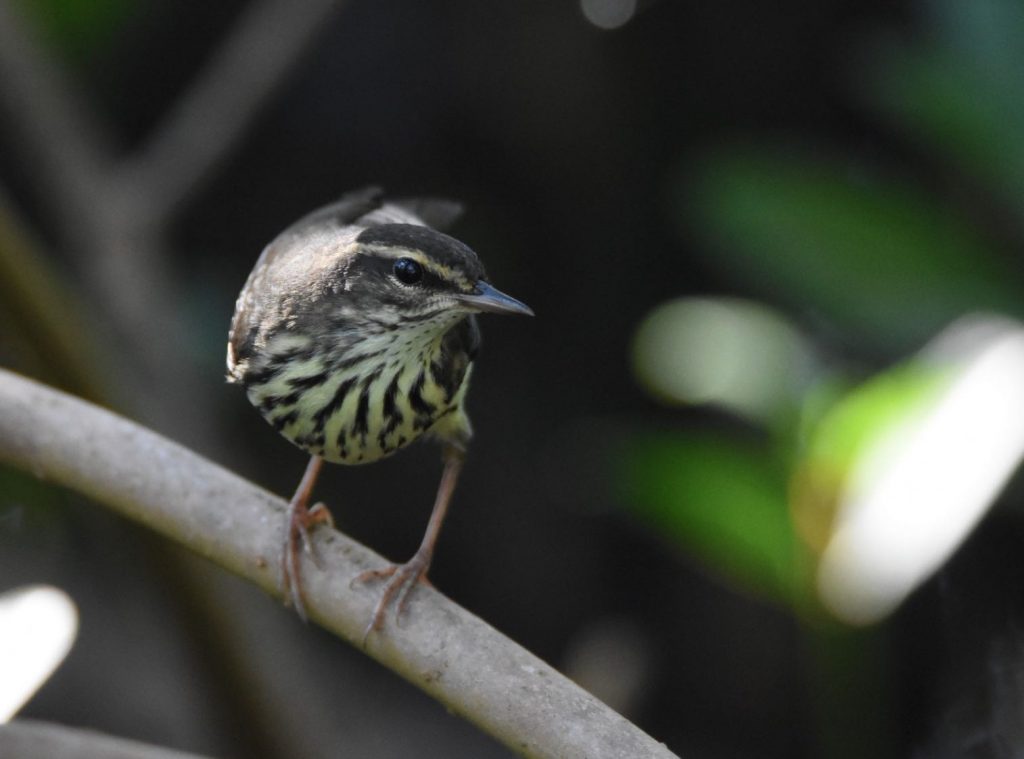
Northern Waterthrush. Andrew Dobson/Macaulay Library. eBird S38600867.
Gulf Coast and Southeast
Light to moderate flights were widespread across the region, probably in the company of many insects and bats. But with the passage of a frontal boundary, more intense movements of birds took flight on Wednesday night, with locally moderate to heavy flights, particularly in the southern Appalachians. These intense flights continued through the end of the period, primarily east of the Mississippi River valley.
Top Movers
[expand title=”Increasing” tag=”h3″]
[table sort=”,desc” tablesorter=”true”]
Species,Increase from Last Week[attr style=”color:green”],% of Checklists Reporting
Blue-winged Teal,88%,3.9
Pine Warbler,29%,5.7
Northern Parula,25%,6.6
Northern Waterthrush,77%,1
Black-bellied Plover,26%,4.7
American Redstart,28%,3.4
Caspian Tern,29%,3.1
Yellow Warbler,21%,6.2
Western Sandpiper,27%,3.8
Olive-sided Flycatcher,43%,0.8
Baird’s Sandpiper,38%,0.9
Hooded Warbler,24%,2.3
Northern Shoveler,49%,0.6
Blue-gray Gnatcatcher,8%,18
Willet,11%,7.2
Loggerhead Shrike,10%,5.9
Least Sandpiper,10%,10
Canada Warbler,65%,0.4
[/table]
[/expand]
[expand title=”Decreasing” tag=”h3″]
[table sort=”,asc” tablesorter=”true”]
Species,Decrease from Last Week[attr style=”color:red”],% of Checklists Reporting
Indigo Bunting,-32%,5.1
Chipping Sparrow,-28%,4
Common Yellowthroat,-33%,1.9
Red-winged Blackbird,-20%,8.5
Pectoral Sandpiper,-23%,4.2
Brown-headed Cowbird,-29%,2.5
Eastern Kingbird,-16%,7.6
Eastern Towhee,-13%,11.9
Cattle Egret,-14%,8.6
Blue Grosbeak,-16%,6.1
Purple Martin,-22%,3.2
Northern Mockingbird,-10%,30.1
Eastern Bluebird,-11%,14
Black-chinned Hummingbird,-20%,2.6
Northern Bobwhite,-21%,2
Mississippi Kite,-12%,6
Cliff Swallow,-20%,2.4
Barn Swallow,-8%,19.9
Eastern Meadowlark,-18%,2.4
Laughing Gull,-11%,13.1
[/table]
[/expand]

Wilson’s Warbler. Nick Saunders/Macaulay Library. eBird S38679875.
Great Plains
Local light and moderate flights peppered the region for the first half of the period, with the most extensive movement occurring on Monday night. But the most intense flights of the period occurred the following day, when locally heavy flights were apparent in the southern Plains with the passage of a frontal system. As the period came to a close, intensities and extents were generally light and local, respectively.
Top Movers
[expand title=”Increasing” tag=”h3″]
[table sort=”,desc” tablesorter=”true”]
Species,Increase from Last Week[attr style=”color:green”],% of Checklists Reporting
Wilson’s Warbler,190%,2.1
Bald Eagle,45%,6.7
Rose-breasted Grosbeak,66%,2.7
Pine Siskin,84%,1.8
Green-winged Teal,54%,2.3
Turkey Vulture,11%,29.1
American Redstart,53%,3
Baltimore Oriole,20%,13.2
Chestnut-sided Warbler,142%,0.8
Northern Flicker,15%,15
Red-headed Woodpecker,14%,14.6
Least Flycatcher,34%,4.1
Magnolia Warbler,166%,0.6
Nashville Warbler,217%,0.4
Canada Goose,10%,20.2
Brewer’s Blackbird,59%,1.6
Dark-eyed Junco,144%,0.8
Ruby-throated Hummingbird,7%,16.1
Mallard,7%,18.7
Red-tailed Hawk,6%,21.6
Mourning Warbler,177%,0.3
Ferruginous Hawk,61%,0.9
[/table]
[/expand]
[expand title=”Decreasing” tag=”h3″]
[table sort=”,asc” tablesorter=”true”]
Species,Decrease from Last Week[attr style=”color:red”],% of Checklists Reporting
Blue Grosbeak,-57%,1.8
Pectoral Sandpiper,-46%,3.6
Purple Martin,-45%,3.7
Indigo Bunting,-37%,8.5
Western Kingbird,-40%,5.9
Song Sparrow,-36%,3.8
Common Nighthawk,-30%,4.5
Yellow-billed Cuckoo,-27%,6
Eastern Phoebe,-29%,5.8
Orchard Oriole,-49%,1.8
Semipalmated Sandpiper,-46%,2.2
Great Egret,-19%,10.8
Fish Crow,-59%,0.8
Blue-gray Gnatcatcher,-26%,4.8
House Wren,-22%,7.2
Solitary Sandpiper,-37%,2.3
Northern Rough-winged Swallow,-34%,3.2
Eastern Bluebird,-18%,9.6
Eastern Towhee,-60%,0.8
Marsh Wren,-53%,0.9
Wilson’s Phalarope,-38%,2
Cliff Swallow,-21%,8
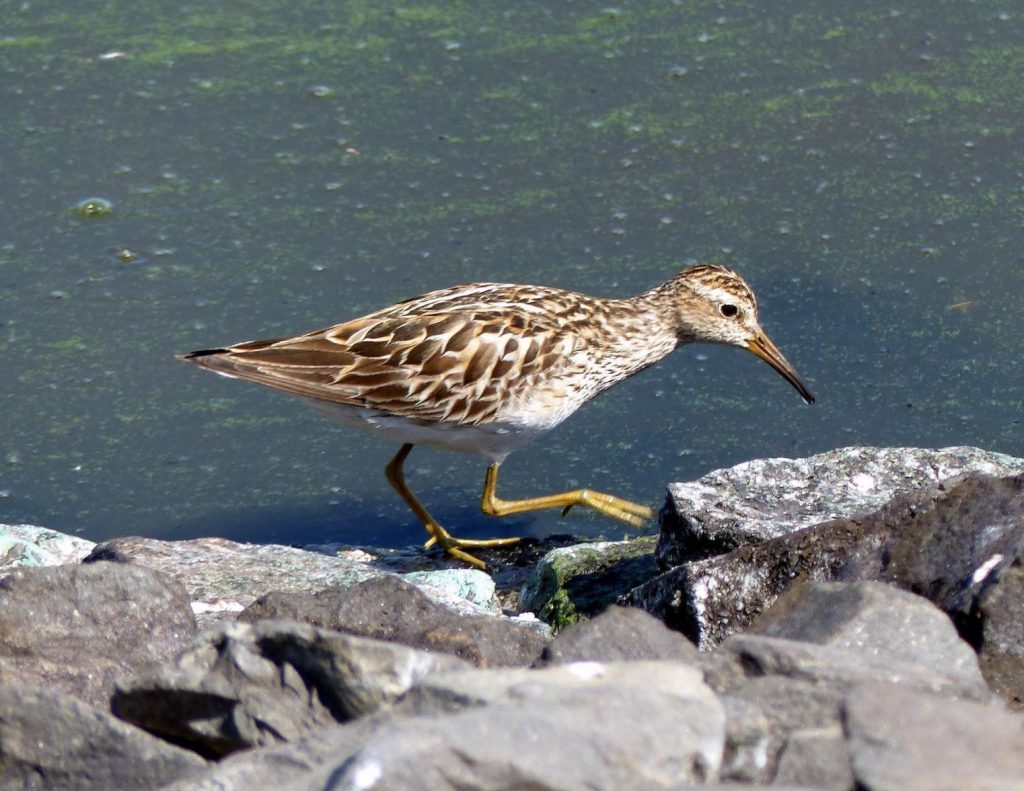
Pectoral Sandpiper. Hendrik Herlyn/Macaulay Library. eBird S38751959.
West
Typically intense movements in the West featured light to moderate flights last weekend. By Monday night more extensive flights were apparent from California through the Desert Southwest. This pattern generally continued for the duration of the period, with some areas of the Desert Southwest and southern Rockies experiencing even higher intensity flights locally (e.g. on Thursday night).
Top Movers
[expand title=”Increasing” tag=”h3″]
[table sort=”,desc” tablesorter=”true”]
Species,Increase from Last Week[attr style=”color:green”],% of Checklists Reporting
Wilson’s Warbler,32%,10.5
Western Grebe,22%,3.2
Orange-crowned Warbler,16%,6.5
Nashville Warbler,28%,2.3
Yellow Warbler,10%,13.4
Townsend’s Warbler,31%,1.8
Wilson’s Snipe,28%,1.9
Red-breasted Nuthatch,9%,12.7
Pectoral Sandpiper,51%,1
White-faced Ibis,13%,4.9
Willow Flycatcher,16%,2.8
Clark’s Grebe,20%,1.5
Common Yellowthroat,7%,9.2
Loggerhead Shrike,11%,3.8
Red-headed Woodpecker,47%,0.5
Yellow-rumped Warbler,9%,5.8
Pacific-slope Flycatcher,15%,3
American Goldfinch,4%,14.9
[/table]
[/expand]
[expand title=”Decreasing” tag=”h3″]
[table sort=”,asc” tablesorter=”true”]
Species,Decrease from Last Week[attr style=”color:red”],% of Checklists Reporting
Cliff Swallow,-33%,4.7
Black-bellied Plover,-40%,1.4
Common Murre,-38%,1.5
Broad-billed Hummingbird,-56%,0.8
Western Wood-Pewee,-17%,10.5
Brown Pelican,-23%,3.8
Black-headed Grosbeak,-21%,6.4
Tree Swallow,-25%,3.6
Semipalmated Plover,-22%,3
Rufous Hummingbird,-15%,6.5
Cassin’s Kingbird,-25%,2.5
Willet,-20%,2.7
Eastern Kingbird,-17%,3.1
Bald Eagle,-17%,3.2
[/table]
[/expand]
–––––––––––––––––––––––––––––––––––
Farnsworth and Van Doren
Scientific Team
BirdCast is made possible by the participating scientists at the below institutions, and many other contributors.