


Regional Migration Analysis: 16-23 October 2015
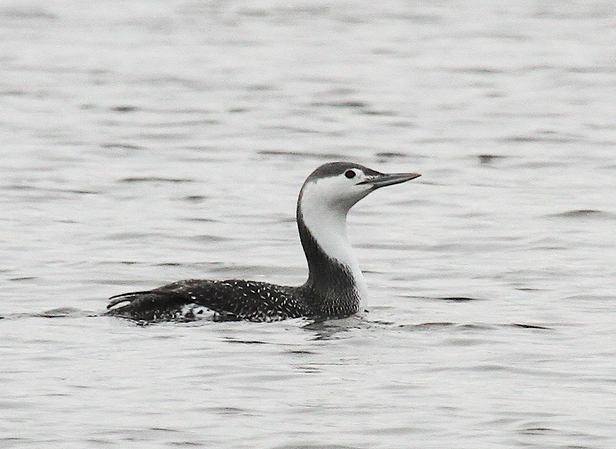
Red-throated Loon, Ryan Schain
Continental Summary
Light to moderate mid and end of week flights in the West featured numerous waterfowl, Varied Thrush, Hermit Thrush, and Pine Siskin, while extensive moderate to heavy flights last weekend saw the passage of Brant, Bufflehead, Red-throated Loon, Bald Eagle, Wilson’s Snipe, Merlin, Brown Creeper, Saltmarsh Sparrow, and Dark-eyed Junco.
Curious what birds will move next? Check out our forecast.
[animation name=”analysis-16-23-october-2015″]
Need a review of our definitions for regions, species on the move, and migration amounts? Please visit this link.
Quick Links to Regions
Upper Midwest and Northeast |
Gulf Coast and Southeast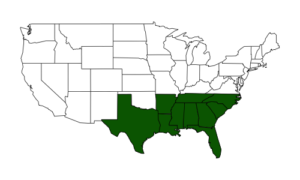 |
Great Plains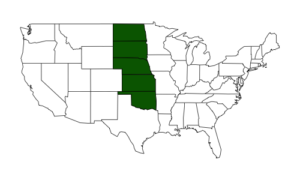 |
West |
Upper Midwest and Northeast
A moderate and locally heavy weekend movement persisted through Sunday for the Northeast. But Monday night saw the arrival of much less favorable conditions for movement, including warming temperatures and southerly flow, shutting down flights for the region. With the eventual passage of a frontal boundary on Wednesday and Thursday nights, moderate to heavy flights returned to the region, first in the Upper Midwest and then for portions of the Ohio River Valley and northern Appalachians.
Top Movers
[expand title=”Increasing” tag=”h3″]
[table sort=”,desc” tablesorter=”true”]
Species,Increase from Last Week[attr style=”color:green”],% of Checklists Reporting
Bufflehead,110%,2.8
Hooded Merganser,79%,3.3
Dunlin,67%,5.2
Pine Siskin,38%,4.7
Fox Sparrow,34%,4.1
Red-breasted Merganser,42%,2
American Tree Sparrow,18%,2.8
Red-throated Loon,71%,0.9
Common Goldeneye,98%,0.6
Dark-eyed Junco,8%,25.9
American Black Duck,15%,8.6
Brant,25%,2.7
Black Scoter,35%,1.7
Rusty Blackbird,19%,4.2
Horned Grebe,28%,1.8
Black-bellied Plover,26%,3.9
Ruddy Turnstone,89%,0.7
Long-tailed Duck,51%,0.6
Green-winged Teal,12%,8.7
Northern Shrike,64%,0.3
[/table]
[/expand]
[expand title=”Decreasing” tag=”h3″]
[table sort=”,asc” tablesorter=”true”]
Species,Decrease from Last Week[attr style=”color:red”],% of Checklists Reporting
Indigo Bunting,-80%,0.4
Northern Parula,-86%,0.1
Black-throated Green Warbler,-74%,0.5
Blackpoll Warbler,-57%,1.7
Gray Catbird,-37%,8.4
Black-throated Blue Warbler,-62%,0.7
Blue-winged Teal,-49%,1.7
Pine Warbler,-51%,1.4
Nashville Warbler,-58%,1
Palm Warbler,-33%,8.4
Tree Swallow,-37%,6.2
Great Egret,-28%,5.9
Cape May Warbler,-92%,0
Common Yellowthroat,-32%,4.3
Magnolia Warbler,-80%,0.1
Eastern Phoebe,-20%,14.2
House Wren,-42%,1.6
Swainson’s Thrush,-66%,0.4
Osprey,-35%,2.7
American Redstart,-82%,0.1
Black-and-white Warbler,-86%,0.1
Blue-headed Vireo,-31%,3.5
Tennessee Warbler,-54%,0.6
Chimney Swift,-104%,-0.1
Red-eyed Vireo,-67%,0.3
[/table]
[/expand]
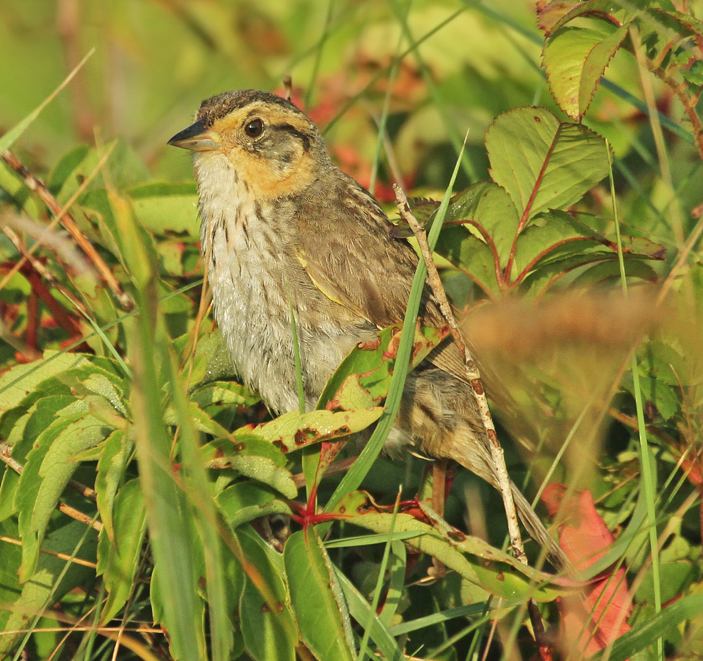
Saltmarsh Sparrow, Ryan Schain
Gulf Coast and Southeast
An intense and extensive movement kicked off the weekend, with moderate to very heavy flights on Friday night continuing more locally through Sunday night. But this major movement was the highlight of the week, as return flow and its generally unfavorable conditions spread through the region beginning on Monday. These primarily southerly and unfavorable winds kept most movements local and light. Note, however, that some of the easternmost reaches of the region continued to experience more intense movements, particularly in Florida on Thursday night.
Top Movers
[expand title=”Increasing” tag=”h3″]
[table sort=”,desc” tablesorter=”true”]
Species,Increase from Last Week[attr style=”color:green”],% of Checklists Reporting
White-throated Sparrow,42%,8.2
Gadwall,57%,2.8
Golden-crowned Kinglet,49%,5.1
Winter Wren,65%,1.9
Yellow-rumped Warbler,17%,17.3
Dark-eyed Junco,51%,2.1
Green-winged Teal,42%,2.9
American Wigeon,31%,2.5
Ruddy Duck,36%,2.3
Greater Yellowlegs,21%,5.5
Northern Pintail,36%,2.2
Black Scoter,133%,0.3
Song Sparrow,15%,11
Cedar Waxwing,61%,2.2
Orange-crowned Warbler,24%,5.2
Double-crested Cormorant,15%,21.5
Wilson’s Snipe,25%,4.3
Brown Creeper,51%,1
Tree Swallow,16%,9
Saltmarsh Sparrow,97%,0.3
Ring-necked Duck,20%,1.6
American Kestrel,14%,16.4
Dunlin,29%,2.3
Pine Siskin,53%,0.5
[/table]
[/expand]
[expand title=”Decreasing” tag=”h3″]
[table sort=”,asc” tablesorter=”true”]
Species,Decrease from Last Week[attr style=”color:red”],% of Checklists Reporting
Chimney Swift,-69%,1.6
Swainson’s Thrush,-65%,1.6
Magnolia Warbler,-57%,2.8
Red-eyed Vireo,-69%,1.3
Indigo Bunting,-49%,7
Scarlet Tanager,-70%,0.7
Tennessee Warbler,-53%,2.4
Rose-breasted Grosbeak,-59%,1.3
Summer Tanager,-60%,1.4
Blackburnian Warbler,-98%,0
Ruby-throated Hummingbird,-42%,5.1
Northern Parula,-44%,4.5
American Redstart,-32%,8.2
Bobolink,-94%,0
Blue Grosbeak,-64%,0.7
Chestnut-sided Warbler,-71%,0.4
White-eyed Vireo,-32%,9.7
Common Yellowthroat,-30%,13.1
Ovenbird,-43%,2.9
Yellow-throated Warbler,-40%,3.3
Wood Thrush,-52%,1
Yellow Warbler,-82%,0.2
Yellow-billed Cuckoo,-49%,1.4
Prairie Warbler,-39%,3
Gray-cheeked Thrush,-54%,0.8
[/table]
[/expand]
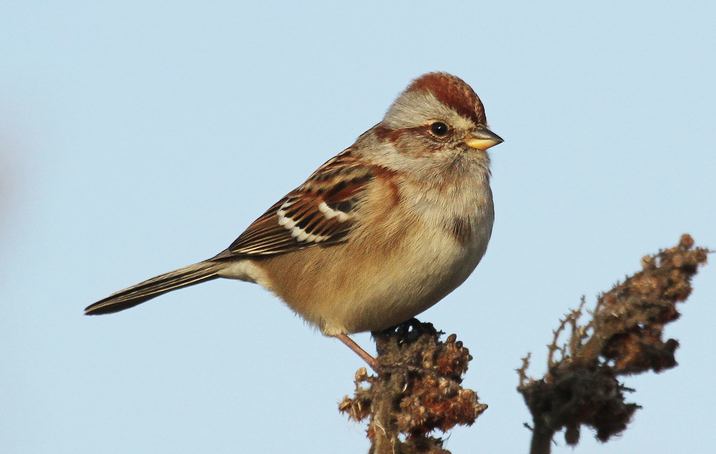
American Tree Sparrow, Ryan Schain
Great Plains
The region experienced a quiet weekend for migration as southerly flow and high pressure had birds mostly staying put. Locally light and moderate flights on Monday night were primarily central and northern Plains events, whereas more intense movements, including some locally very heavy flights, occurred in the central and southern Plains on Wednesday night. But the whole system shut down on Thursday night with extensive precipitation associated with circulation around an arriving low pressure center.
Top Movers
[expand title=”Increasing” tag=”h3″]
[table sort=”,desc” tablesorter=”true”]
Species,Increase from Last Week[attr style=”color:green”],% of Checklists Reporting
Ring-necked Duck,165%,9.3
Cackling Goose,105%,3.3
Merlin,181%,2.9
Herring Gull,58%,4.6
Horned Grebe,50%,5.6
Gadwall,31%,11.4
American Wigeon,31%,8.7
Dark-eyed Junco,23%,34.7
Bonaparte’s Gull,53%,3.3
Ring-billed Gull,21%,24.1
American Tree Sparrow,16%,5.5
Bald Eagle,26%,10.9
Ruddy Duck,25%,10.2
Lesser Scaup,43%,3.4
Green-winged Teal,22%,11.9
Redhead,25%,8.6
Winter Wren,94%,1.9
Whooping Crane,60%,1
Greater White-fronted Goose,35%,3.9
Song Sparrow,18%,21.3
Rusty Blackbird,44%,1.7
Bewick’s Wren,55%,1.8
[/table]
[/expand]
[expand title=”Decreasing” tag=”h3″]
[table sort=”,asc” tablesorter=”true”]
Species,Decrease from Last Week[attr style=”color:red”],% of Checklists Reporting
House Wren,-95%,0.2
Barn Swallow,-89%,0.4
Nashville Warbler,-80%,0.7
Common Yellowthroat,-80%,0.6
Nelson’s Sparrow,-87%,0.3
Orange-crowned Warbler,-44%,6.8
Eastern Phoebe,-51%,4.4
Turkey Vulture,-32%,15.9
Lincoln’s Sparrow,-39%,8.4
Brown Thrasher,-65%,1.2
Swainson’s Hawk,-72%,0.3
Snowy Egret,-61%,0.8
Ruby-crowned Kinglet,-24%,13.2
Sedge Wren,-40%,2.2
Red-winged Blackbird,-26%,21
Black-throated Green Warbler,-64%,0.4
Blue-headed Vireo,-79%,0.2
Scissor-tailed Flycatcher,-36%,3.2
Red-headed Woodpecker,-57%,1.2
Blue Jay,-14%,38.1
Common Grackle,-18%,11.1
Pectoral Sandpiper,-59%,0.7
Northern Rough-winged Swallow,-74%,0.2
[/table]
[/expand]
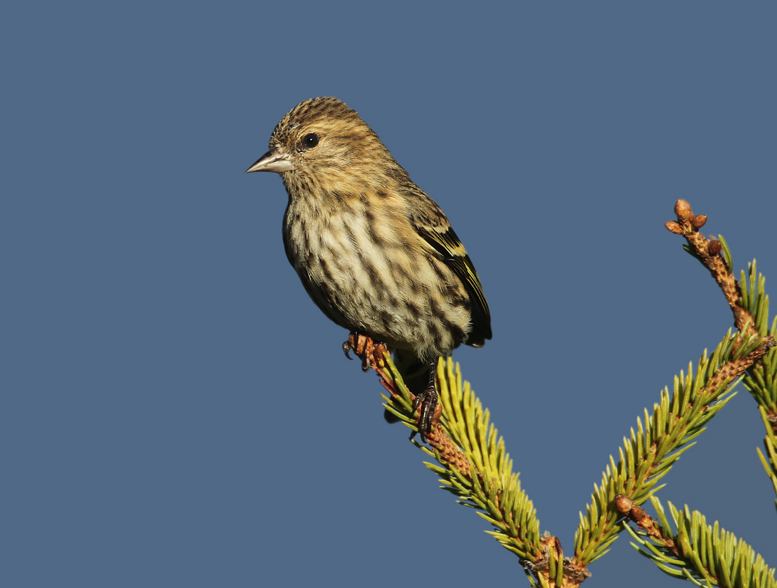
Pine Siskin, Ryan Schain
West
Scattered precipitation kept most birds grounded for the start of the period across the region. By Sunday scattered light flights occurred in California and portions of Oregon. These movements persisted through Tuesday night, and even intensified, particularly in the Pacific Northwest. The remainder of the period saw a continuation of lesser intensity flights along the Pacific and in portions of the Desert Southwest.
Top Movers
[expand title=”Increasing” tag=”h3″]
[table sort=”,desc” tablesorter=”true”]
Species,Increase from Last Week[attr style=”color:green”],% of Checklists Reporting
Bufflehead,65%,4.6
Surf Scoter,48%,5.6
Western Grebe,32%,13
Mew Gull,40%,4
Red-breasted Merganser,102%,1.1
Long-tailed Duck,842%,0.4
Pine Siskin,24%,10.3
Common Loon,27%,4.8
Lesser Scaup,30%,2.9
Snowy Egret,17%,9.6
Hermit Thrush,17%,9.7
Horned Grebe,22%,5.3
Bonaparte’s Gull,36%,1.7
Varied Thrush,23%,4.1
Pelagic Cormorant,42%,4
Canvasback,36%,1.5
American Wigeon,13%,12.5
Ruddy Duck,14%,10.5
[/table]
[/expand]
[expand title=”Decreasing” tag=”h3″]
[table sort=”,asc” tablesorter=”true”]
Species,Decrease from Last Week[attr style=”color:red”],% of Checklists Reporting
Yellow Warbler,-51%,0.9
Cassin’s Vireo,-79%,0
Hammond’s Flycatcher,-86%,0
Wilson’s Warbler,-42%,0.6
Mountain Chickadee,-25%,5.7
McCown’s Longspur,-84%,0
Mountain Bluebird,-30%,1.1
Swainson’s Thrush,-66%,0.1
White-breasted Nuthatch,-20%,6.4
Chipping Sparrow,-21%,3.1
Barn Swallow,-25%,1.5
Blue Jay,-15%,2.2
Gray Catbird,-78%,0.1
Painted Redstart,-75%,0
Common Grackle,-21%,0.9
Red-breasted Nuthatch,-10%,10.8
Yellow-headed Blackbird,-26%,0.7
Common Yellowthroat,-13%,5.3
[/table]
[/expand]
–––––––––––––––––––––––––––––––––––
Farnsworth and Van Doren
Scientific Team
BirdCast is made possible by the participating scientists at the below institutions, and many other contributors.