


Regional Migration Analysis: 14-21 April 2017

Green Heron. Cesar Castillo/Macaulay Library. eBird S36039189.
Continental Summary
Moderate movements featuring Semipalmated Plover, Caspian Tern, Olive-sided Flycatcher, Warbling Vireo, Swainson’s Thrush, Nashville Warbler, and Western Tanager were the norm for California and the Desert Southwest, while moderate to locally heavy flights graced portions of the East and featured Spotted Sandpiper, Great Crested Flycatcher, Red-eyed Vireo, Wood Thrush, Blackpoll Warbler, Baltimore Oriole, and Dickcissel.
Curious what birds will move next? Check out our forecast.
[animation name=”analysis-14-21-april-2017″]
Need a review of our definitions for regions, species on the move, and migration amounts? Please visit this link.
Quick Links to Regions
Upper Midwest and Northeast |
Gulf Coast and Southeast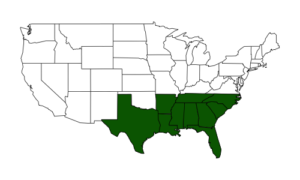 |
Great Plains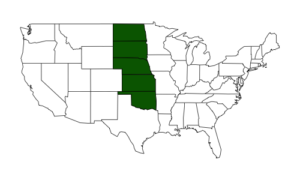 |
West |
Upper Midwest and Northeast
Light to moderate flights were widespread to kickoff the weekend, but a passing front and a return to much cooler conditions halted those movements by Sunday night in most areas. Moderate to locally heavy flights occurred in the upper Midwest on Monday night, spreading farther east on Tuesday though in significantly reduced intensities. A strong low pressure system moved through the region to end the period, with some light to moderate movements to the south and east of its track through the Mississippi and Ohio River valleys on Wednesday night and over the mid Atlantic region on Thursday night.
[animation name=”18-april-traffic-report”]
Light to moderate flights through the northern Appalachians and New York were apparent on the night of 18-19 April. Our traffic report highlights these flights moving in northerly and increasingly north-northeasterly directions over the course of the night.
Top Movers
[expand title=”Increasing” tag=”h3″]
[table sort=”,desc” tablesorter=”true”]
Species,Increase from Last Week[attr style=”color:green”],% of Checklists Reporting
House Wren,153%,12.3
Yellow-rumped Warbler,58%,25.1
Blue-gray Gnatcatcher,60%,21.7
White-throated Sparrow,42%,35.9
Barn Swallow,58%,12.8
Common Yellowthroat,124%,4.2
Palm Warbler,58%,9.9
Chipping Sparrow,39%,35.6
Spotted Sandpiper,144%,2.1
Warbling Vireo,168%,1.8
Ruby-crowned Kinglet,46%,25.7
Northern Parula,87%,5.3
Eastern Towhee,39%,21.5
Broad-winged Hawk,87%,4.2
White-eyed Vireo,113%,2.1
Wood Thrush,196%,1.2
Green Heron,115%,1.9
American Goldfinch,21%,47.1
Solitary Sandpiper,111%,2
Brown Thrasher,38%,12.6
Sora,86%,2.4
Eastern Kingbird,161%,1.2
Swamp Sparrow,38%,11.9
Chimney Swift,111%,1.7
Red-eyed Vireo,189%,0.8
[/table]
[/expand]
[expand title=”Decreasing” tag=”h3″]
[table sort=”,asc” tablesorter=”true”]
Species,Decrease from Last Week[attr style=”color:red”],% of Checklists Reporting
Golden-crowned Kinglet,-78%,2.1
Dark-eyed Junco,-43%,14.2
Ring-necked Duck,-45%,4.1
Fox Sparrow,-91%,0.3
Bufflehead,-37%,6.7
American Tree Sparrow,-55%,2.1
Brown Creeper,-40%,4.1
Common Merganser,-34%,3.6
Common Loon,-32%,4.4
Lesser Scaup,-35%,2.9
Hooded Merganser,-34%,3.3
Common Goldeneye,-49%,0.8
Bonaparte’s Gull,-34%,1.8
Gadwall,-29%,3.3
Green-winged Teal,-25%,4.5
American Wigeon,-34%,1.6
Northern Shoveler,-19%,5.6
Canvasback,-45%,0.5
Ruddy Duck,-20%,3.8
American Woodcock,-33%,0.9
Redhead,-30%,1.5
Winter Wren,-21%,2
Rusty Blackbird,-12%,2.7
Snow Goose,-19%,0.6
[/table]
[/expand]
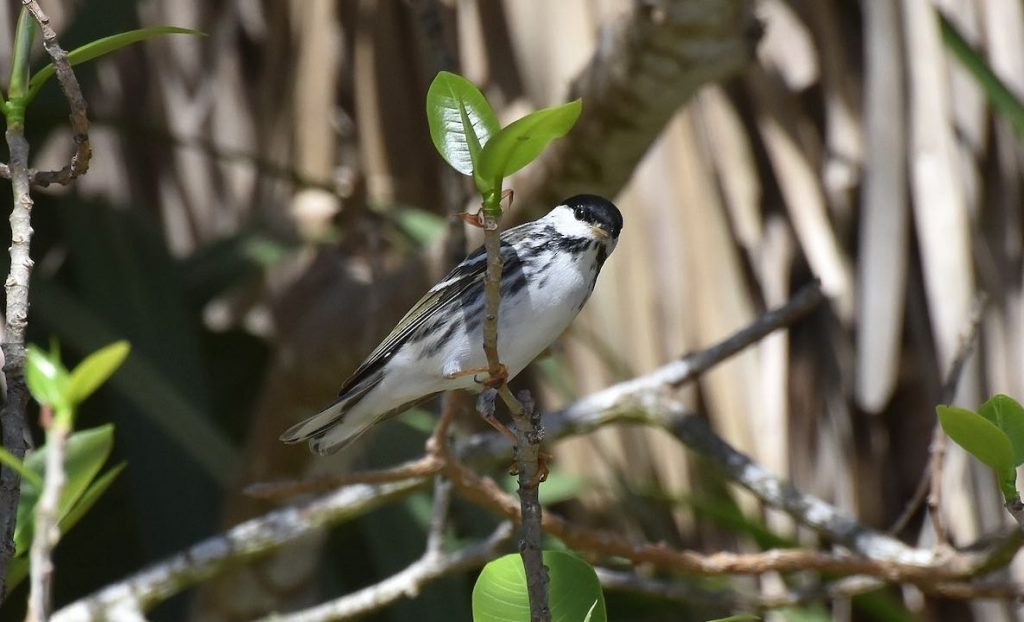
Blackpoll Warbler. JoAnna Clayton/Macaulay Library. eBird S35926289.
Gulf Coast and Southeast
Widespread moderate to locally heavy movements were the norm for many areas of the region this period. The peak movements were Sunday through Wednesday nights, first in the western Gulf and then gradually spreading farther to the east to include portions of the Florida Panhandle and Peninsula. Note that some areas of the central Gulf Coast exhibited a noticeably lower intensity departure of nocturnal migrants on the weekend and late in the period, relative to surrounding locations.
Top Movers
[expand title=”Increasing” tag=”h3″]
[table sort=”,desc” tablesorter=”true”]
Species,Increase from Last Week[attr style=”color:green”],% of Checklists Reporting
Blackpoll Warbler,130%,5.4
Rose-breasted Grosbeak,115%,4.3
Yellow-billed Cuckoo,103%,4
Wood Thrush,79%,6
Indigo Bunting,54%,13
Dickcissel,170%,1.9
Common Nighthawk,124%,2.3
Painted Bunting,63%,5.2
Blue Grosbeak,73%,4.8
Baltimore Oriole,90%,3.6
Northern Waterthrush,79%,4.1
Tennessee Warbler,91%,3.4
Summer Tanager,46%,12.2
Eastern Wood-Pewee,118%,2
Red-eyed Vireo,39%,14.2
Yellow Warbler,101%,2.3
Great Crested Flycatcher,31%,21.7
Yellow-breasted Chat,78%,3.5
American Redstart,58%,4.6
Orchard Oriole,44%,8.8
Scarlet Tanager,53%,5.2
Gray Catbird,24%,19.2
Least Tern,37%,6.3
Swainson’s Thrush,85%,1.7
Common Yellowthroat,23%,15.4
[/table]
[/expand]
[expand title=”Decreasing” tag=”h3″]
[table sort=”,asc” tablesorter=”true”]
Species,Decrease from Last Week[attr style=”color:red”],% of Checklists Reporting
Ruby-crowned Kinglet,-44%,6.3
Hermit Thrush,-59%,0.9
Pied-billed Grebe,-34%,4.4
American Coot,-25%,6.8
Common Loon,-57%,0.6
Yellow-rumped Warbler,-17%,14.5
Belted Kingfisher,-21%,5.7
Double-crested Cormorant,-16%,13.6
Chipping Sparrow,-14%,11.1
Wood Duck,-17%,5.1
Northern Shoveler,-27%,2.5
Swamp Sparrow,-22%,2.8
Green-winged Teal,-69%,0.3
Osprey,-10%,14.6
Northern Harrier,-30%,1.6
Dark-eyed Junco,-53%,0.5
Ring-billed Gull,-20%,4
Orange-crowned Warbler,-29%,1.6
Fish Crow,-9%,17.6
American Goldfinch,-10%,11.6
Bufflehead,-81%,0.1
Gadwall,-38%,0.8
Wilson’s Snipe,-32%,0.8
American Kestrel,-28%,1.5
White-throated Sparrow,-7%,12.4
[/table]
[/expand]
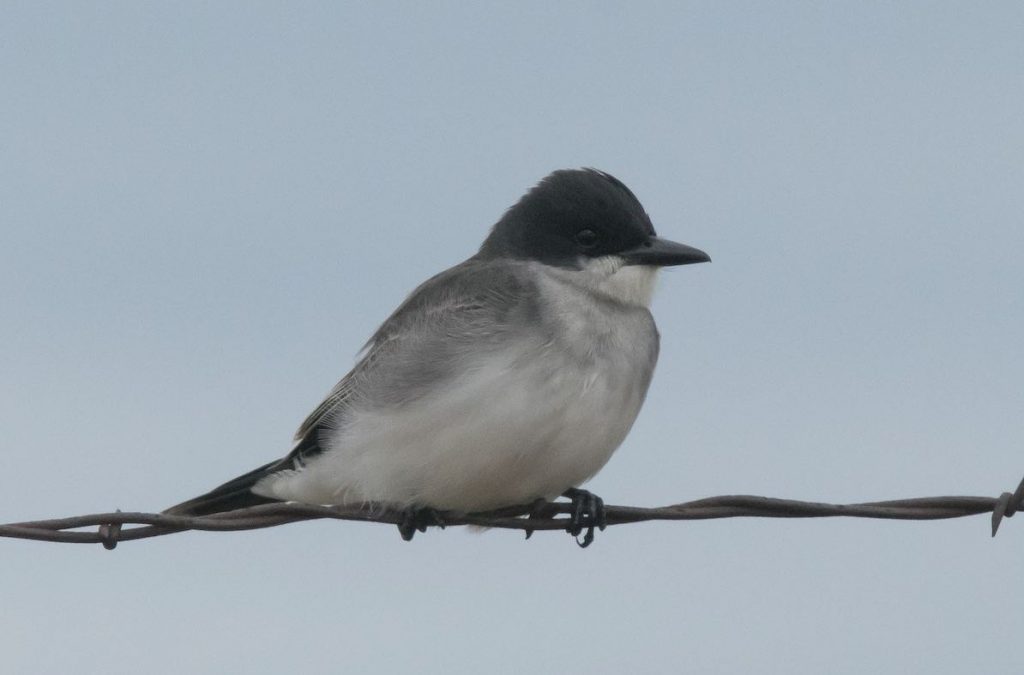
Eastern Kingbird. Nancy Christensen/Macaulay Library. eBird S36119131.
Great Plains
Light to moderate flights peppered the central and southern Plains on the weekend to kickoff the period. These continued on Monday and Tuesday nights, albeit slightly more widely distributed as low pressure and associated precipitation moved into the region. As this disturbance moved out of the Plains, unfavorable migration conditions kept birds grounded in all but the southernmost reaches of the region on Wednesday night. Locally light to moderate flights returned on Thursday night, particularly in areas with lower wind speeds and more marginal (rather than unfavorable) migration conditions.
Top Movers
[expand title=”Increasing” tag=”h3″]
[table sort=”,desc” tablesorter=”true”]
Species,Increase from Last Week[attr style=”color:green”],% of Checklists Reporting
Spotted Sandpiper,155%,6
House Wren,105%,10.5
Eastern Kingbird,160%,4.3
Warbling Vireo,167%,3.4
Orange-crowned Warbler,93%,7.9
Lark Sparrow,78%,9.8
Yellow-rumped Warbler,46%,27.1
Semipalmated Plover,125%,3.9
Chipping Sparrow,43%,20.5
Baltimore Oriole,209%,2
Forster’s Tern,104%,3.9
Grasshopper Sparrow,85%,5
Barn Swallow,36%,21.6
Pectoral Sandpiper,65%,7.4
Lesser Yellowlegs,46%,13.8
Great Crested Flycatcher,199%,1.6
Scissor-tailed Flycatcher,42%,12.6
Wilson’s Phalarope,133%,2.3
Summer Tanager,172%,1.7
Savannah Sparrow,41%,13.5
Solitary Sandpiper,97%,3.2
Upland Sandpiper,79%,4.3
Northern Parula,50%,9.4
American Avocet,57%,7.4
Eastern Meadowlark,25%,25
[/table]
[/expand]
[expand title=”Decreasing” tag=”h3″]
[table sort=”,asc” tablesorter=”true”]
Species,Decrease from Last Week[attr style=”color:red”],% of Checklists Reporting
Dark-eyed Junco,-95%,0.6
Bufflehead,-54%,3.3
Gadwall,-28%,10.2
Lesser Scaup,-37%,6.1
Sandhill Crane,-96%,0.1
Green-winged Teal,-26%,7.9
Song Sparrow,-21%,12.5
Northern Shoveler,-19%,19.5
Fox Sparrow,-89%,0.2
Mallard,-12%,29.4
Ring-necked Duck,-38%,3.9
Northern Flicker,-14%,17
Northern Harrier,-21%,6.1
Pied-billed Grebe,-18%,12.1
Hooded Merganser,-38%,2.2
American Kestrel,-17%,8.6
American Wigeon,-24%,5.8
Brown Creeper,-46%,1
Herring Gull,-72%,0.3
Lapland Longspur,-68%,0.2
Red-tailed Hawk,-11%,18.8
American Tree Sparrow,-70%,0.3
Snow Goose,-38%,1.8
Golden-crowned Kinglet,-62%,0.4
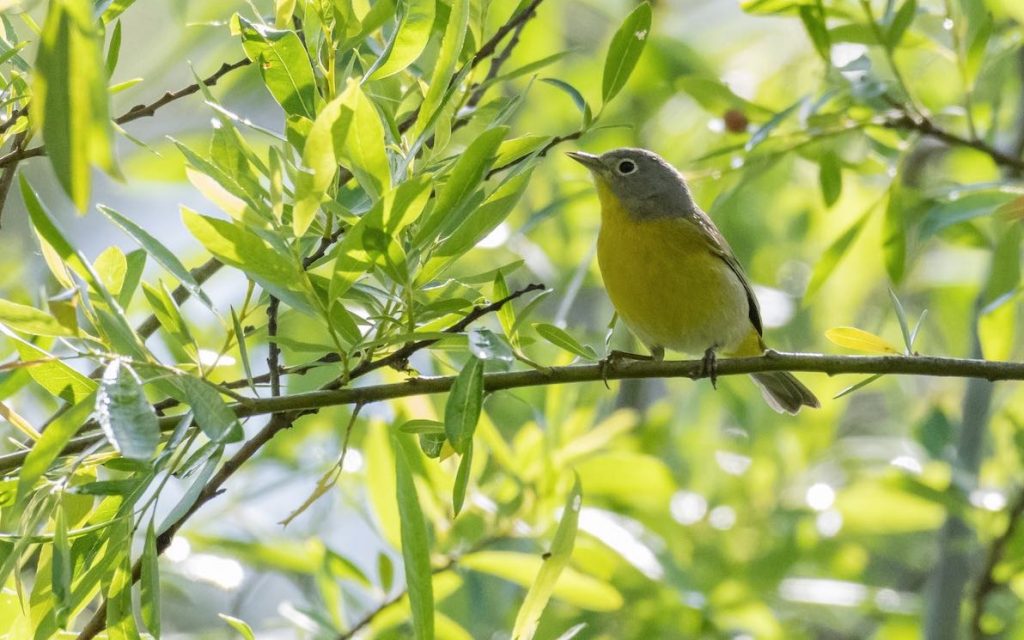
Nashville Warbler. Dan Hackley/Macaulay Library. eBird S36142696.
West
Light to moderate flights were widespread from the Desert Southwest north into the Pacific Northwest during the weekend. Bu Sunday and Monday nights, precipitation arrived and shut down most movements away from the Desert Southwest. This pattern repeated itself during the period, as similarly intense movements moved into and through California and the Desert Southwest while other areas of the region experienced continued, and at times extensive, precipitation.
Top Movers
[expand title=”Increasing” tag=”h3″]
[table sort=”,desc” tablesorter=”true”]
Species,Increase from Last Week[attr style=”color:green”],% of Checklists Reporting
Wilson’s Warbler,56%,8.5
Nashville Warbler,86%,2.6
Black-headed Grosbeak,50%,7
Lazuli Bunting,81%,2.8
Brown-headed Cowbird,43%,9.3
Vaux’s Swift,100%,1.9
Western Tanager,123%,1.6
Black-throated Gray Warbler,46%,5
Barn Swallow,26%,15.7
Ash-throated Flycatcher,34%,7.1
Chipping Sparrow,29%,6.5
Warbling Vireo,46%,3.1
House Wren,26%,9.1
Caspian Tern,36%,4.1
Semipalmated Plover,68%,1.7
Cliff Swallow,22%,8.8
Pacific-slope Flycatcher,27%,5.4
Orange-crowned Warbler,15%,14.2
Least Sandpiper,27%,4.3
Yellow-breasted Chat,79%,1.2
Cassin’s Vireo,50%,2.2
Yellow-headed Blackbird,27%,5.1
Black-chinned Hummingbird,26%,5.6
Olive-sided Flycatcher,183%,0.5
Spotted Towhee,10%,23.1
[/table]
[/expand]
[expand title=”Decreasing” tag=”h3″]
[table sort=”,asc” tablesorter=”true”]
Species,Decrease from Last Week[attr style=”color:red”],% of Checklists Reporting
American Wigeon,-32%,5.9
Ring-necked Duck,-22%,5.5
Bufflehead,-19%,9.1
Common Goldeneye,-35%,2
Lesser Scaup,-19%,4.3
American Coot,-10%,16.8
Fox Sparrow,-38%,1
Northern Harrier,-15%,5.7
Northern Pintail,-22%,3.1
Greater Yellowlegs,-18%,3.9
Pied-billed Grebe,-12%,6.2
White-crowned Sparrow,-5%,24.8
Hooded Merganser,-23%,1.7
Canvasback,-24%,1.2
Common Merganser,-11%,4.8
Red-throated Loon,-15%,0.9
Dark-eyed Junco,-4%,14.9
Ruby-crowned Kinglet,-1%,9.9
Rhinoceros Auklet,-8%,0.4
Wood Duck,-2%,4.2
Lincoln’s Sparrow,0%,4.4
[/table]
[/expand]
–––––––––––––––––––––––––––––––––––
Farnsworth and Van Doren
Scientific Team
BirdCast is made possible by the participating scientists at the below institutions, and many other contributors.