


Regional Migration Analysis: 13-20 May 2016
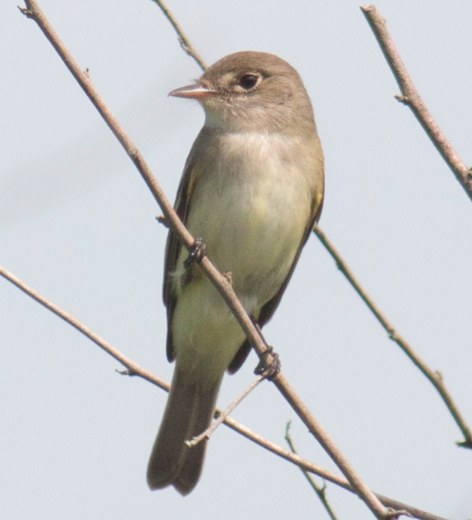
Willow Flycatcher. David Brown/Macaulay Library. 26 May 2016. eBird S29917824
Continental Summary
Light to moderate flights graced many areas from California east through the Rockies and featured Black Tern, Willow Flycatcher, Cordilleran Flycatcher, Gray Catbird, and Bobolink, while pulses of moderate and heavy flights featuring White-rumped Sandpiper, Common Nighthawk, Black-billed Cuckoo, Alder Flycatcher, Bay-breasted Warbler, and Canada Warbler were scattered across the East.
Curious what birds will move next? Check out our forecast.
[animation name=”13-20-may-2016-analysis”]
Need a review of our definitions for regions, species on the move, and migration amounts? Please visit this link.
Quick Links to Regions
Upper Midwest and Northeast |
Gulf Coast and Southeast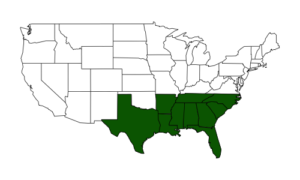 |
Great Plains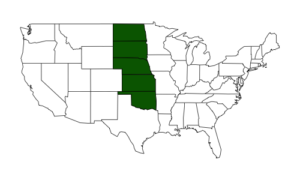 |
West |
Upper Midwest and Northeast
Moderate to heavy flights in the Ohio River Valley and along the Atlantic Coast kicked off the weekend, only to be followed by an almost complete shutdown in the wake of a passing cold front on Saturday night. With this passage, more favorable conditions built slowly back to the region and brought heavy flights to the Upper Midwest on Sunday night, and more extensively to the mid Atlantic states, New Jersey and even Long Island, on Monday night. However, conditions did not allow these flights to overspread the entirety of the region, with most moderate to heavy flights restricted to the west of the Appalachians or south of the Adirondacks and southern tier of New York. Aside from the notable exception of locally moderate to heavy flights in New England on Wednesday and Thursday nights, the most extensive and intense movements in the region were significantly farther west.
Top Movers
[expand title=”Increasing” tag=”h3″]
[table sort=”,desc” tablesorter=”true”]
Species,Increase from Last Week[attr style=”color:green”],% of Checklists Reporting
Willow Flycatcher,250%,4.3
Eastern Wood-Pewee,77%,15.9
Wilson’s Warbler,62%,9.2
Canada Warbler,72%,7.9
Blackpoll Warbler,41%,12.6
Common Nighthawk,90%,3.7
Alder Flycatcher,470%,1.2
Red-eyed Vireo,40%,28.3
Cedar Waxwing,43%,12.3
Mourning Warbler,118%,2.1
American Redstart,21%,34.2
Great Crested Flycatcher,32%,25
Semipalmated Sandpiper,47%,3.5
Magnolia Warbler,18%,20.9
Swainson’s Thrush,19%,13.8
Acadian Flycatcher,40%,4.4
Ruddy Turnstone,54%,1.8
Yellow-bellied Flycatcher,105%,0.5
Olive-sided Flycatcher,61%,0.9
Gray-cheeked Thrush,27%,3.5
Semipalmated Plover,32%,3.9
Ruby-throated Hummingbird,20%,15.6
Common Yellowthroat,15%,44.9
Eastern Kingbird,17%,21.4
Philadelphia Vireo,22%,1.9
[/table]
[/expand]
[expand title=”Decreasing” tag=”h3″]
[table sort=”,asc” tablesorter=”true”]
Species,Decrease from Last Week[attr style=”color:red”],% of Checklists Reporting
Ruby-crowned Kinglet,-71%,3.3
White-throated Sparrow,-56%,9.9
Palm Warbler,-46%,6.7
Yellow-rumped Warbler,-40%,18.4
Sharp-shinned Hawk,-62%,0.7
Solitary Sandpiper,-44%,3.8
White-crowned Sparrow,-40%,8.4
Nashville Warbler,-41%,8.3
Greater Yellowlegs,-35%,3
Blue-headed Vireo,-34%,5.8
Lesser Yellowlegs,-32%,3.3
Hermit Thrush,-31%,3.3
Pine Siskin,-31%,2.2
Prairie Warbler,-30%,3.4
Swamp Sparrow,-16%,8.4
Merlin,-47%,0.5
Black-throated Green Warbler,-25%,14.3
American Pipit,-58%,0.3
Blue-winged Warbler,-19%,5.9
Blue-gray Gnatcatcher,-14%,22.3
Broad-winged Hawk,-27%,2.3
American Woodcock,-34%,1.4
Rusty Blackbird,-66%,0.1
[/table]
[/expand]
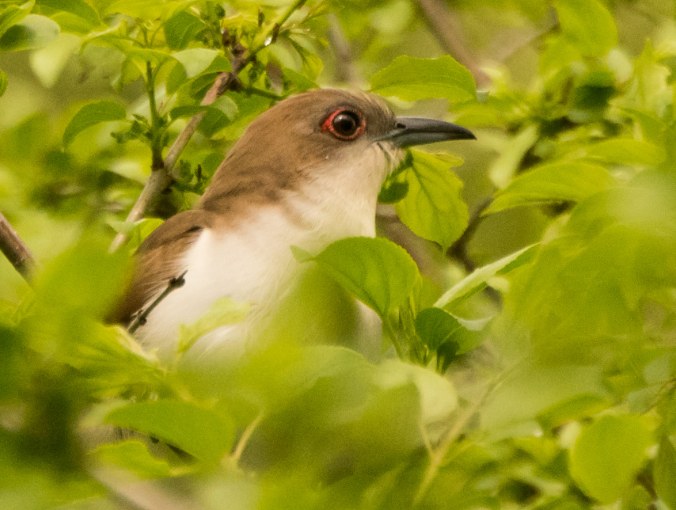
Black-billed Cuckoo. Sue Barth/Macaulay Library. 26 May 2016. eBird S29920861
Gulf Coast and Southeast
Moderate to heavy flights dominated the region to the west of the Mississippi River for the first half of the period, while areas farther east were significantly less active. But a change came by Monday night, when more extensive movements were apparent across the entire region. The remainder of the period was much less uniform with respect to the distribution of migration, in particular because of the persistent intense and extensive stormy conditions in the southeast. Migration was primarily moderate where it occurred, and noticeably absent, or at best light, in areas where intense rain and thunderstorms occurred.
Top Movers
[expand title=”Increasing” tag=”h3″]
[table sort=”,desc” tablesorter=”true”]
Species,Increase from Last Week[attr style=”color:green”],% of Checklists Reporting
Yellow-bellied Flycatcher,249%,2.1
Black Tern,124%,2.9
Wilson’s Warbler,95%,5.6
Least Bittern,97%,2.8
Franklin’s Gull,78%,2.4
Willow Flycatcher,83%,1.7
Western Wood-Pewee,219%,1.3
Canada Warbler,58%,3
Alder Flycatcher,139%,1.1
Least Tern,35%,7.4
Purple Gallinule,59%,2.3
Ruddy Turnstone,38%,5.4
Sanderling,42%,4.7
Black-bellied Whistling-Duck,22%,9.3
Black Skimmer,51%,3
Olive-sided Flycatcher,80%,1.4
Clay-colored Thrush,154%,0.8
Least Flycatcher,36%,3.9
Wood Stork,44%,3
Mourning Warbler,58%,1.5
Black-billed Cuckoo,398%,0.7
Yellow Warbler,39%,10.4
[/table]
[/expand]
[expand title=”Decreasing” tag=”h3″]
[table sort=”,asc” tablesorter=”true”]
Species,Decrease from Last Week[attr style=”color:red”],% of Checklists Reporting
Black-throated Blue Warbler,-76%,0.7
Rose-breasted Grosbeak,-59%,1.3
Blackpoll Warbler,-57%,2.2
Solitary Sandpiper,-55%,1.3
Cape May Warbler,-75%,0.2
Bobolink,-51%,1.4
Scarlet Tanager,-41%,3
Palm Warbler,-89%,0.1
Lesser Yellowlegs,-38%,2.7
Baltimore Oriole,-40%,2.5
Gray Catbird,-26%,8.7
Connecticut Warbler,-81%,0.1
Veery,-57%,0.6
Pectoral Sandpiper,-48%,1.3
House Wren,-40%,1.9
Wood Thrush,-29%,4.6
Least Sandpiper,-26%,5.5
Nashville Warbler,-46%,0.8
Savannah Sparrow,-55%,0.8
Greater Yellowlegs,-46%,1.4
Black-and-white Warbler,-21%,4.6
Clay-colored Sparrow,-58%,0.3
White-throated Sparrow,-92%,0
Ovenbird,-19%,3.5
Cedar Waxwing,-18%,8.2
[/table]
[/expand]
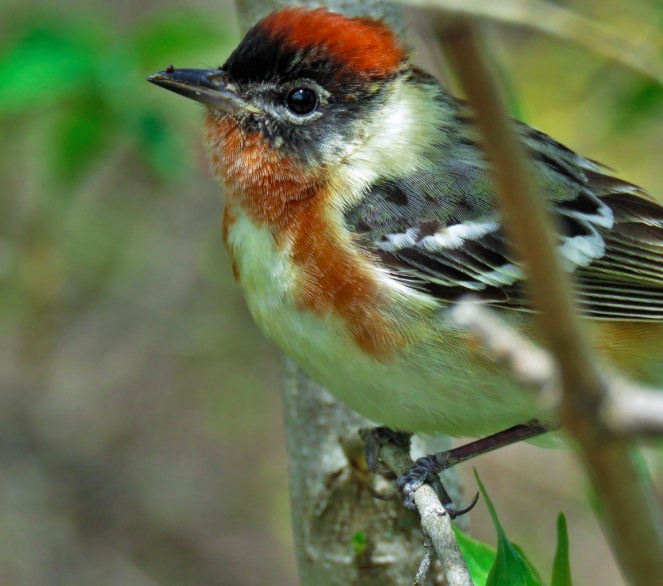
Bay-breasted Warbler. Nathan Martineau/Macaulay Library. 15 May 2016. eBird S29697492.
Great Plains
A quiet start for migration in this period quickly became much more active. In favorable conditions, moderate to heavy flights occurred in many areas of the northern and central Plains from Saturday through to the end of the period. These flights reached, perhaps, their greatest intensity and extent on Wednesday night. However, stormy conditions in the southern Plains kept movements somewhat less intense and more localized, generally. This was particularly true on Monday and Thursday nights.
Top Movers
[expand title=”Increasing” tag=”h3″]
[table sort=”,desc” tablesorter=”true”]
Species,Increase from Last Week[attr style=”color:green”],% of Checklists Reporting
American Redstart,64%,18.4
Chestnut-sided Warbler,81%,5.9
Philadelphia Vireo,87%,4.8
Black Tern,34%,8.8
Canada Warbler,339%,2
Mourning Warbler,108%,3.3
Alder Flycatcher,156%,2.9
Wilson’s Warbler,39%,9.1
Tennessee Warbler,39%,16.9
Least Flycatcher,28%,21.6
Yellow-headed Blackbird,45%,12.2
Bobolink,44%,7.4
Willow Flycatcher,88%,2.7
Eastern Wood-Pewee,34%,14.7
Yellow Warbler,24%,44.4
Gray Catbird,24%,23.5
Bank Swallow,45%,5.3
Gray-cheeked Thrush,56%,3.6
Bay-breasted Warbler,107%,1.4
Common Yellowthroat,22%,20
Magnolia Warbler,23%,5.4
Olive-sided Flycatcher,55%,1.8
[/table]
[/expand]
[expand title=”Decreasing” tag=”h3″]
[table sort=”,asc” tablesorter=”true”]
Species,Decrease from Last Week[attr style=”color:red”],% of Checklists Reporting
White-crowned Sparrow,-70%,3.4
Lincoln’s Sparrow,-59%,3.1
Harris’s Sparrow,-53%,3.7
Mississippi Kite,-58%,2.6
Baird’s Sandpiper,-54%,2
White-throated Sparrow,-35%,4.8
Orange-crowned Warbler,-37%,5.5
Chuck-will’s-widow,-85%,0.1
Yellow-rumped Warbler,-29%,10.8
Blue Grosbeak,-50%,2.4
Lesser Yellowlegs,-29%,5.6
Greater Yellowlegs,-46%,1.5
Savannah Sparrow,-33%,4.3
Ash-throated Flycatcher,-93%,0
Hooded Warbler,-88%,0.1
Solitary Sandpiper,-55%,0.8
Pied-billed Grebe,-36%,3.6
Northern Bobwhite,-28%,5.7
American Wigeon,-49%,1.4
Black-crowned Night-Heron,-59%,0.4
Ruby-crowned Kinglet,-32%,3.8
Long-billed Dowitcher,-35%,2.6
Black-necked Stilt,-49%,0.8
White-faced Ibis,-39%,1.5
Lark Sparrow,-25%,13.2

Bobolink. Don Coons/Macaulay Library. 16 May 2016. eBird S29702099
West
On Friday night, moderate flights occurred from California and the Desert Southwest locally north and east through the Rockies. In the latter areas, in particular, a stationary front farther east brought favorable conditions that allowed locally heavy flights to occur. In the days that followed, increasingly scattered precipitation across the region kept most movements local and light, but some areas of the Rockies continued to experience significant movements. These movements included moderate to locally heavy flights in the northern Rockies on Sunday and Monday, as well as similarly intense flights in the central Rockies on Tuesday and Wednesday, and even the southern Rockies on Thursday. Note that a significant pattern change for weather in the Pacific Northwest kept movements for the period light at best.
Top Movers
[expand title=”Increasing” tag=”h3″]
[table sort=”,desc” tablesorter=”true”]
Species,Increase from Last Week[attr style=”color:green”],% of Checklists Reporting
Willow Flycatcher,259%,2.4
Gray Catbird,89%,2.8
Eastern Kingbird,73%,2.4
Western Wood-Pewee,44%,17.5
Swainson’s Thrush,41%,9.5
Blue Grosbeak,53%,3.8
Cordilleran Flycatcher,80%,1.4
Least Flycatcher,72%,1.5
Bobolink,137%,0.5
White-rumped Sandpiper,204%,0.4
Cedar Waxwing,17%,8.3
Dusky Flycatcher,20%,4.3
Least Tern,45%,1
Western Tanager,14%,19.5
Black Tern,34%,1
[/table]
[/expand]
[expand title=”Decreasing” tag=”h3″]
[table sort=”,asc” tablesorter=”true”]
Species,Decrease from Last Week[attr style=”color:red”],% of Checklists Reporting
Least Sandpiper,-73%,0.5
Western Sandpiper,-62%,0.9
Long-billed Dowitcher,-58%,1.1
Dunlin,-67%,0.5
Townsend’s Warbler,-35%,3.1
Lark Bunting,-54%,0.9
Common Loon,-47%,0.9
Whimbrel,-43%,0.9
Ruddy Turnstone,-83%,0.1
Mississippi Kite,-74%,0.1
Bufflehead,-53%,1.3
Semipalmated Plover,-47%,0.6
Brown Thrasher,-38%,0.8
American Pipit,-59%,0.3
Pectoral Sandpiper,-81%,0.1
Gray Flycatcher,-34%,1.2
Short-billed Dowitcher,-69%,0.1
Yellow-rumped Warbler,-17%,14.8
Ruby-crowned Kinglet,-26%,3
Northern Parula,-77%,0.1
Orange-crowned Warbler,-15%,10.2
Black-throated Gray Warbler,-19%,4.3
Black-bellied Plover,-41%,0.6
[/table]
[/expand]
–––––––––––––––––––––––––––––––––––
Farnsworth and Van Doren
Scientific Team
BirdCast is made possible by the participating scientists at the below institutions, and many other contributors.