


 December 7, 2012Eastern Promises?
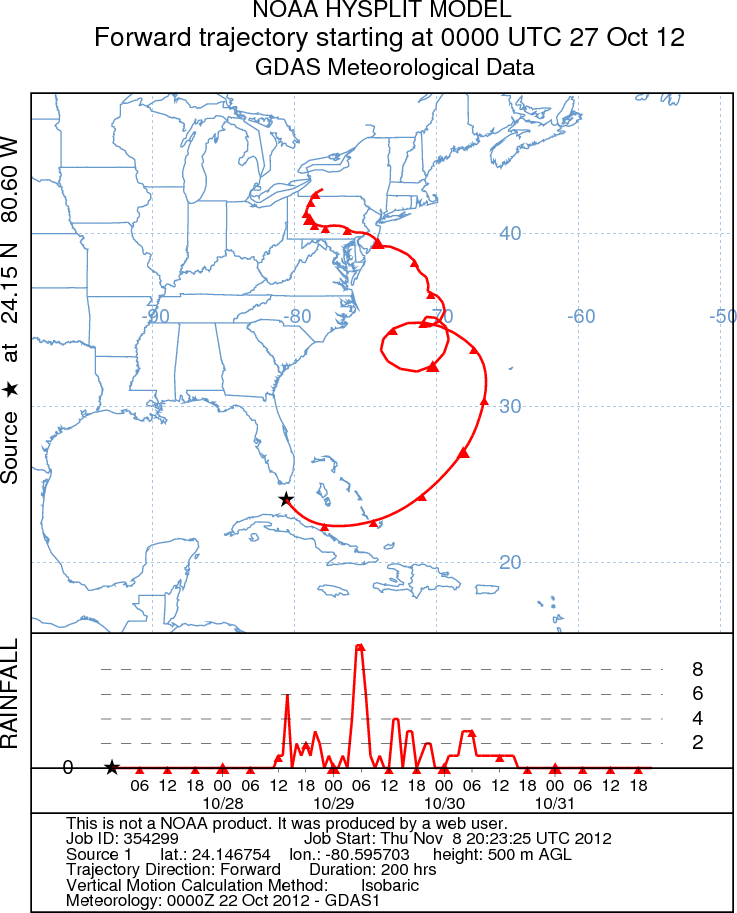
Hurricane Sandy’s epic, devastating, and predicted jog to the Northwest just prior to her New Jersey landfall was driven, largely, by a “rex block” or “Greenland block” – serious high pressure over the North Atlantic that, in effect, blocked the passage of…
- November 13, 2012BirdCast referenced in 13 November 2012 Science Times
BirdCast was referenced in the New York Times in the Tuesday Science Times on 13 November 2012 in the story, “To Birds, Storm Survival Is Only Natural,” by Natalie Angier. Additionally, BirdCast PI Andrew Farnsworth was quoted in this article.
 November 13, 2012Southern Great Plains Goose Flight: 11-12 November 2012
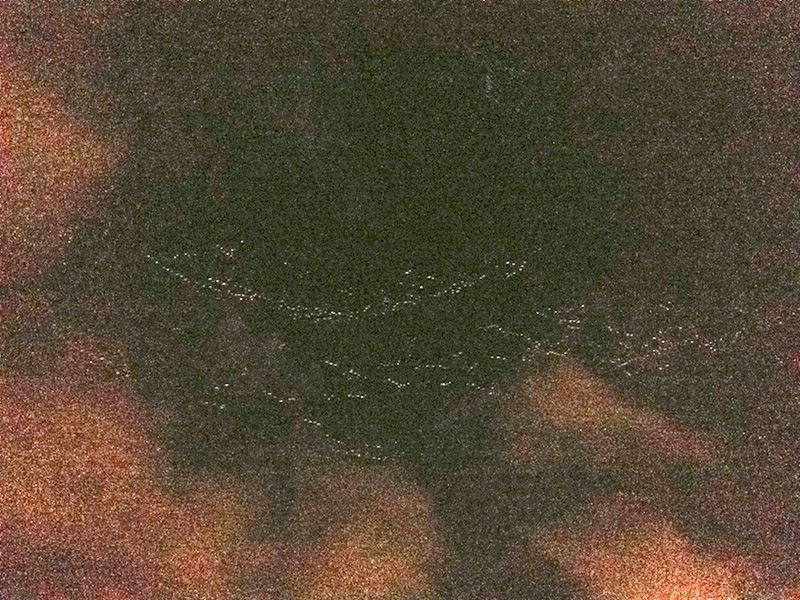
“Hindcasting” is something of great interest to team BirdCast, particularly as a means of improving (eventually) our modeling and thinking about where, when, and how birds appear when and where they do. In this case, let’s look at what happened…
- November 9, 2012Et tu, Brute? More western species east . . .
The Weather Channel has taken to naming winter storms for the 2012-2013 winter season, and Brutus is at bat. This powerful storm is dumping heavy snow in parts of the Rockies, and the associated frontal boundary strongly demarcates much colder…
 November 9, 2012Lingering Sandy Effects: Neotropical Migrants and a European Visitor
Hurricane/Post-tropical Cyclone Sandy and all of her fury are firmly ensconced in the record books, and this storm will remain forever in the lexicon of Northeastern US weather lore (probably foremost ahead of the 1938 Long Island Express). This is…
- November 7, 2012A (new) NE Canada – Northeast US connection to end the week?
Today through Friday has potential to see winds transport waterfowl, gulls, and other late migrants and irruptives into the Northeast and Great Lakes. Additionally, snow cover may force sparrows and open-area species like pipits, longspurs, Snow Buntings, and larks to…
- November 2, 2012BirdCast covers the ornithological effects of Hurricane Sandy
Numerous articles linked and referenced the BirdCast website during the extensive media coverage of Hurricane Sandy. The following is a list of links to radio, print, and Internet coverage of the storm relevant to (or referencing) BirdCast.
Discovery.com – EXCELLENT IDEA…
- November 2, 2012Your Mission Now, Find Landbirds! Eastern Forecast Update for 2 – 4 November 2012
To follow yesterday’s post, get out a look for landbirds!!!! Something extremely interesting is occurring in the wake of the epic passage of Sandy. Recent reports from Maryland to Maine of a bizarre mix of Neotropical migrants, including Connecticut Warbler…
- October 31, 2012Abridged Regional Migration Forecast: Eastern US 31 October – 4 November 2012
With the departure to the Northeast of Hurricane and Post-Tropical Cyclone Sandy, westerly flow prevails outside the Northeastern US across a huge portion of the Eastern US from the western Great Lakes through peninsular Florida. In many areas, despite the…
- October 31, 2012Post Tropical Cyclone Sandy: Brief Update for 30 October 930PM EDT
For those out birding from the mid-Atlantic through New England and west to the Appalachians and the eastern Great Lakes, today was a wild day of birding. Several blogs have captured the ornithological events spawned by Sandy’s arrival onshore, and…
- October 30, 2012Post Tropical Cyclone Sandy Update: 11PM EDT 29 October 2012
The remnants of Sandy, huge as they are, have a circulation that has just passed Philadelphia, PA. All of the meteorological forecasters involved in predicting the path of this system did quite an amazing job – now, team eBird and…
- October 30, 2012Post Tropical Cyclone Sandy: 8PM EDT, 29 October 2012
The center of the circulation is mostly ashore near Atlantic City, NJ as of 8PM EDT, the system is now behaving more like a Nor’easter though still with some tropical characteristics, and the effects of Sandy are widespread and dangerous….
News
Scientific Team
BirdCast is made possible by the participating scientists at the below institutions, and many other contributors.