


Migration Analysis: 17-24 April 2015
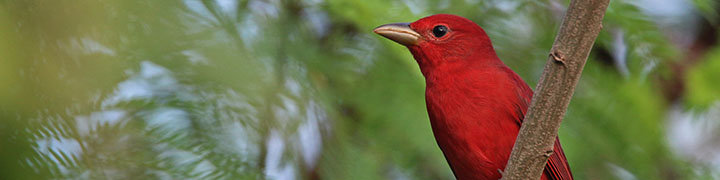
Summer Tanager © Ian Davies
Continental Summary
This week featured moderate to heavy flights across the southern US, from the Pacific to the Atlantic, and the central US, from Texas to the Canadian border, and these flights included Western Sandpiper, Wilson’s Phalarope, Bonaparte’s Gull, House Wren, Gray Catbird, Magnolia Warbler, Black-throated Blue Warbler, Lincoln’s Sparrow, Lazuli Bunting, Western Tanager, and Summer Tanager.
Curious what birds will be on the move next? Check out our forecast.
[animation name=”17-24-april-2015-analysis”]
Need a review of our definitions for regions, species on the move, and migration amounts? Please visit this link.
Quick Links to Regions
Upper Midwest and Northeast |
Gulf Coast and Southeast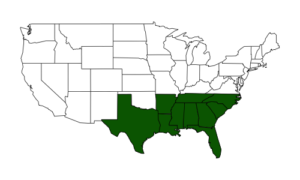 |
Great Plains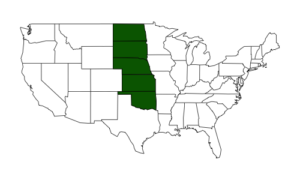 |
West |
Upper Midwest and Northeast
Light to moderate movements in the Midwest and portions of the southern Appalachians and mid Atlantic were the only so-called highlights of the beginning of the period last weekend, before a large low pressure center moving across the region shut down most movements. Northern New England did see a nice pulse of birds on Sunday night, as the exception to this larger rule. The remainder of the week featured generally unfavorable conditions for migrants to fly, with locally light and isolated moderate movements punctuating an otherwise quiet (literally) nocturnal migration scene.
Top Movers
[expand title=”Increasing” tag=”h3″]
[table sort=”,desc” tablesorter=”true”]
Species,Increase from Last Week[attr style=”color:green”],% of Checklists Reporting
Gray Catbird,543%,3.5
House Wren,91%,8.1
Yellow-rumped Warbler,48%,21.9
White-throated Sparrow,26%,33.2
Chipping Sparrow,13%,31.1
Purple Finch,30%,8.1
Summer Tanager,374%,0.7
American Goldfinch,10%,42.5
Greater Yellowlegs,26%,6.5
Savannah Sparrow,15%,5.9
Eastern Towhee,9%,18.7
Forster’s Tern,32%,2.7
Willet,73%,1
Orange-crowned Warbler,126%,0.5
Ruby-crowned Kinglet,5%,19.8
Short-billed Dowitcher,87%,0.4
Black-bellied Plover,51%,0.7
Pine Warbler,8%,9.4
Laughing Gull,22%,3.1
[/table]
[/expand]
[expand title=”Decreasing” tag=”h3″]
[table sort=”,asc” tablesorter=”true”]
Species,Decrease from Last Week[attr style=”color:red”],% of Checklists Reporting
Golden-crowned Kinglet,-71%,1.4
American Tree Sparrow,-68%,1.3
Ring-necked Duck,-42%,5.1
Fox Sparrow,-60%,1.1
Brown Creeper,-46%,2.8
Dark-eyed Junco,-36%,15.2
Yellow-bellied Sapsucker,-42%,4.8
American Wigeon,-50%,1.7
Bufflehead,-30%,8.1
American Black Duck,-38%,3.6
Green-winged Teal,-31%,5.2
American Woodcock,-66%,0.6
Pied-billed Grebe,-22%,7
Common Redpoll,-90%,0
Common Merganser,-24%,4.6
Bonaparte’s Gull,-31%,3.1
Hooded Merganser,-24%,4.2
Lesser Scaup,-27%,3.4
Gadwall,-25%,3.9
Common Goldeneye,-49%,0.9
Wilson’s Snipe,-31%,2.8
[/table]
[/expand]
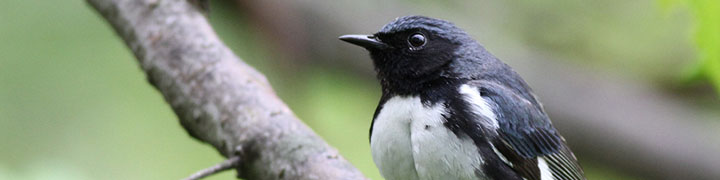
Black-throated Blue Warbler © Ian Davies
Gulf Coast and Southeast
Moderate to heavy flights occurred on most nights of this period, with many migrants moving into and through the region. Particularly extensive were the flights of Saturday, Wednesday, and Thursday, when many radars in the region were alive with bird migration; also note that some of these radars were detecting some substantial rain as well. Reports of some fallouts and concentrations during the period continued, given the precipitation early in the weekend, in particular from Alabama and Texas.
Top Movers
[expand title=”Increasing” tag=”h3″]
[table sort=”,desc” tablesorter=”true”]
Species,Increase from Last Week[attr style=”color:green”],% of Checklists Reporting
Rose-breasted Grosbeak,120%,13.3
Black-throated Blue Warbler,241%,5.4
Baltimore Oriole,68%,10.6
Yellow Warbler,101%,7.8
American Redstart,70%,10.5
Magnolia Warbler,376%,2.5
Gray Catbird,42%,25
Indigo Bunting,41%,21.7
Northern Waterthrush,84%,6.9
Blue Grosbeak,54%,9
Ovenbird,57%,8.7
Black-throated Green Warbler,48%,10.3
Painted Bunting,42%,9
Summer Tanager,28%,19.4
Great Crested Flycatcher,30%,25.2
Black-and-white Warbler,31%,18.3
Spotted Sandpiper,41%,7.2
Wilson’s Phalarope,156%,1.2
Least Flycatcher,134%,1.1
Western Kingbird,57%,3.4
Nashville Warbler,48%,5.5
Orchard Oriole,21%,12.1
Ruby-throated Hummingbird,15%,18.5
Common Yellowthroat,14%,17.2
[/table]
[/expand]
[expand title=”Decreasing” tag=”h3″]
[table sort=”,asc” tablesorter=”true”]
Species,Decrease from Last Week[attr style=”color:red”],% of Checklists Reporting
Hermit Thrush,-49%,1.1
Pied-billed Grebe,-31%,5.1
Redhead,-54%,1
American Coot,-21%,9.3
Dark-eyed Junco,-80%,0.2
Gadwall,-50%,0.9
Ruby-crowned Kinglet,-17%,10.2
Herring Gull,-24%,3
Green-winged Teal,-59%,0.5
Double-crested Cormorant,-14%,14.7
Killdeer,-17%,12
Bonaparte’s Gull,-54%,0.5
Ring-billed Gull,-22%,4.5
Northern Harrier,-32%,1.5
Greater Yellowlegs,-16%,4.6
Blue-winged Teal,-11%,11
American Kestrel,-34%,1.4
Northern Shoveler,-20%,3.5
[/table]
[/expand]
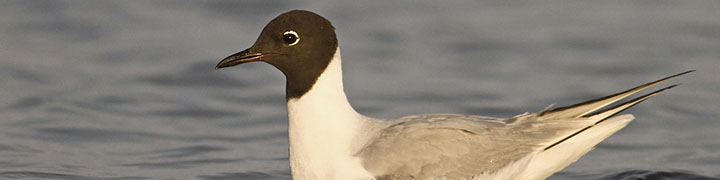
Bonaparte’s Gull © Luke Seitz
Great Plains
The scattered light to moderate movements from Friday and Saturday nights stood in stark contrast to the blanks, so to speak, of Sunday night following the passage of a cold front. As high pressure built into the region, and much cooler temperatures prevailed with unfavorable winds, migration was hard to identify on radar to say the least. But Tuesday night’s moderate flights in the southern Plains previewed the more extensive moderate and even locally heavy flights that followed on Wednesday and Thursday nights.
Top Movers
[expand title=”Increasing” tag=”h3″]
[table sort=”,desc” tablesorter=”true”]
Species,Increase from Last Week[attr style=”color:green”],% of Checklists Reporting
Yellow-rumped Warbler,36%,25
Lincoln’s Sparrow,51%,10.4
Chipping Sparrow,30%,21.4
Franklin’s Gull,29%,15.1
White-throated Sparrow,23%,12.7
Mourning Dove,12%,54.7
Blue-winged Teal,14%,44.9
Ruby-crowned Kinglet,21%,12.3
Brown-headed Cowbird,12%,33.7
Savannah Sparrow,17%,12.3
White-crowned Sparrow,20%,9.3
Hermit Thrush,30%,2.9
Common Grackle,8%,41.7
Least Sandpiper,21%,3.1
Eastern Meadowlark,10%,23.1
Bonaparte’s Gull,32%,4.5
[/table]
[/expand]
[expand title=”Decreasing” tag=”h3″]
[table sort=”,asc” tablesorter=”true”]
Species,Decrease from Last Week[attr style=”color:red”],% of Checklists Reporting
Dark-eyed Junco,-56%,4.3
Bufflehead,-41%,4.2
Lesser Scaup,-26%,8.5
Common Goldeneye,-87%,0.2
Green-winged Teal,-24%,8.7
Fox Sparrow,-84%,0.2
Ring-necked Duck,-25%,5.4
Herring Gull,-81%,0.2
Bald Eagle,-36%,2.8
Tundra Swan,-43%,0.9
Canvasback,-32%,3.1
American Wigeon,-18%,8.1
Common Merganser,-64%,0.4
Redhead,-15%,7.8
Ring-billed Gull,-11%,13.9
Rough-legged Hawk,-82%,0.1
[/table]
[/expand]
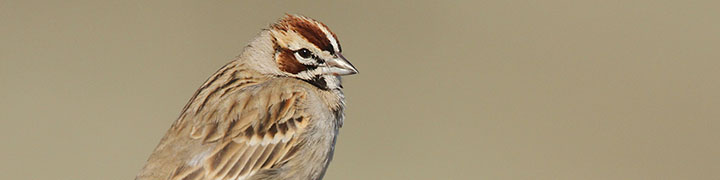
Lark Sparrow © Luke Seitz
West
This week’s light to moderate movements in California and the Desert Southwest were some of the most consistent of the spring season, with birds moving extensively in these areas on almost every night of the period. Additionally, light movements were also apparent farther north along the Pacific Coast and in the Great Basin early in the period, as well as along the eastern front of the Rockies later in the period. Of all the region’s movements this week, California arguably experienced the largest and most consistent.
Top Movers
[expand title=”Increasing” tag=”h3″]
[table sort=”,desc” tablesorter=”true”]
Species,Increase from Last Week[attr style=”color:green”],% of Checklists Reporting
Western Tanager,269%,4.1
Brown-headed Cowbird,56%,12.5
Wilson’s Warbler,56%,11
Lazuli Bunting,88%,4
Yellow Warbler,62%,7.1
Western Sandpiper,60%,4.8
Summer Tanager,163%,2.3
White-faced Ibis,52%,4.8
Least Sandpiper,36%,7.2
Lark Sparrow,66%,3.6
Chipping Sparrow,33%,8.1
Spotted Sandpiper,67%,3.2
Barn Swallow,24%,17.2
Broad-tailed Hummingbird,55%,3.2
Black-throated Gray Warbler,31%,7.3
Blue-winged Teal,36%,4.9
Say’s Phoebe,22%,10.5
Common Yellowthroat,22%,12.2
Semipalmated Plover,41%,2.4
American Avocet,22%,7.3
Green Heron,39%,3.2
Nashville Warbler,34%,3.6
Yellow-headed Blackbird,23%,5.7
[/table]
[/expand]
[expand title=”Decreasing” tag=”h3″]
[table sort=”,asc” tablesorter=”true”]
Species,Decrease from Last Week[attr style=”color:red”],% of Checklists Reporting
Common Goldeneye,-39%,1.4
Fox Sparrow,-28%,1.4
Surf Scoter,-18%,2.1
Canvasback,-21%,1.2
American Wigeon,-12%,7.8
Varied Thrush,-25%,1.2
Bufflehead,-8%,10
Herring Gull,-34%,0.5
Hooded Merganser,-18%,1.7
Horned Grebe,-12%,2.4
[/table]
[/expand]
–––––––––––––––––––––––––––––––––––
Farnsworth and Van Doren
Scientific Team
BirdCast is made possible by the participating scientists at the below institutions, and many other contributors.