


Regional Migration Analysis: 7-14 April 2017
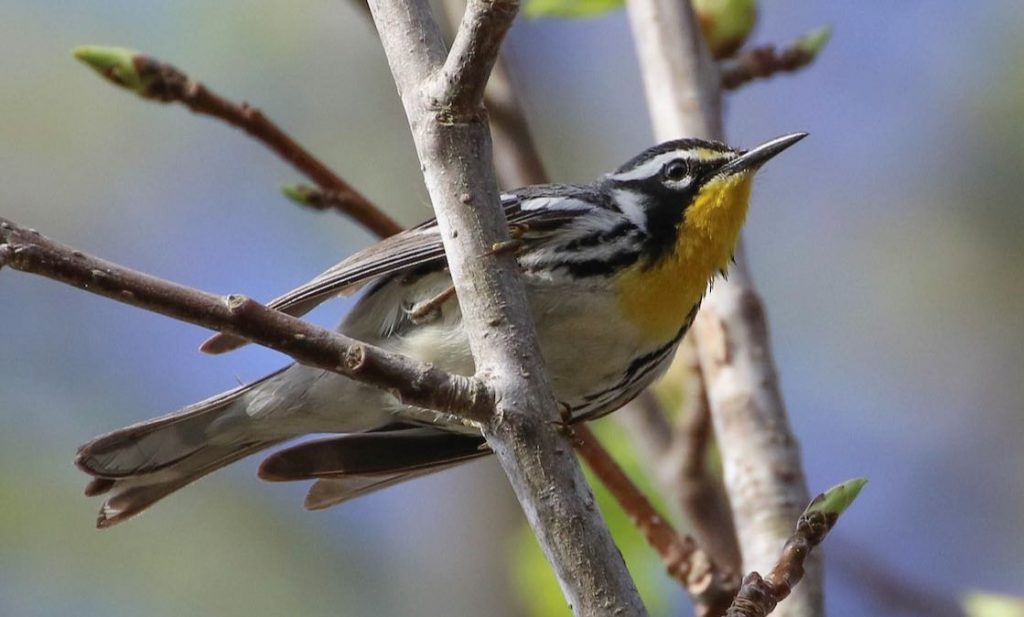
Yellow-throated Warbler. Karen and Tom Beatty/Macaulay Library. eBird S35689749.
Continental Summary
The past week in the West saw light to moderate flights primarily in the southern portion of the region featuring Swainson’s Hawk, Vaux’s Swift, Ash-throated Flycatcher, Cassin’s Vireo, Nashville Warbler, and Lazuli Bunting, while moderate and locally heavy flights came to many areas of the East and featured Marbled Godwit, Hudsonian Godwit, Swainson’s Thrush, Wood Thrush, House Wren, Northern Parula, Tennessee Warbler, and Rose-breasted Grosbeak.
[animation name=”analysis-7-14-april-2017″]
Need a review of our definitions for regions, species on the move, and migration amounts? Please visit this link.
Quick Links to Regions
Upper Midwest and Northeast |
Gulf Coast and Southeast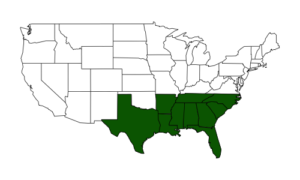 |
Great Plains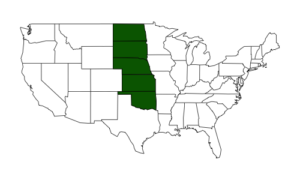 |
West |
Upper Midwest and Northeast
Locally moderate flights kicked off the period in the Midwest. By Sunday these movements were more widespread, covering the entirety of the region other than portions of the western Great Lakes. As a frontal boundary pushed east, these movements became increasingly restricted, first to the east of the Ohio River Valley and Appalachians and then to the coastal plain. Wednesday and Thursday nights saw a new round of light to moderate flights; however, these were not as widespread as flights earlier in the period, with conditions in much of New England and the northern Appalachians unfavorable for much movement.
Top Movers
[expand title=”Increasing” tag=”h3″]
[table sort=”,desc” tablesorter=”true”]
Species,Increase from Last Week[attr style=”color:green”],% of Checklists Reporting
Ruby-crowned Kinglet,121%,19.5
Blue-gray Gnatcatcher,106%,12.8
Barn Swallow,125%,8.5
Yellow-rumped Warbler,77%,14.7
Chipping Sparrow,62%,24.7
Northern Flicker,37%,33.7
Northern Rough-winged Swallow,69%,7.8
Hermit Thrush,70%,7.1
Broad-winged Hawk,226%,2
Northern Parula,170%,2.5
Yellow-bellied Sapsucker,52%,8.8
Brown-headed Cowbird,37%,28.3
Pine Warbler,55%,8.1
American Goldfinch,28%,38.7
Eastern Towhee,41%,14.3
House Wren,279%,1.7
Brown Thrasher,51%,8.8
Purple Finch,63%,6
Swamp Sparrow,47%,8.2
Yellow-throated Warbler,77%,3
Tree Swallow,26%,29
Purple Martin,98%,2.2
White-throated Sparrow,26%,22.4
White-eyed Vireo,180%,0.7
Field Sparrow,31%,11.4
[/table]
[/expand]
[expand title=”Decreasing” tag=”h3″]
[table sort=”,asc” tablesorter=”true”]
Species,Decrease from Last Week[attr style=”color:red”],% of Checklists Reporting
Hooded Merganser,-44%,4.5
Ring-necked Duck,-36%,7.2
American Black Duck,-37%,4.2
Fox Sparrow,-42%,3.4
American Tree Sparrow,-35%,4.6
Golden-crowned Kinglet,-25%,9.9
Dark-eyed Junco,-18%,26.3
Common Merganser,-31%,5.4
Lesser Scaup,-35%,4.3
Common Goldeneye,-48%,1.5
Bufflehead,-20%,11.4
American Wigeon,-36%,2.6
Ring-billed Gull,-17%,14.7
Snow Goose,-61%,0.5
Northern Pintail,-56%,0.7
Green-winged Teal,-27%,5.8
Canvasback,-44%,0.9
Tundra Swan,-79%,0.1
Gadwall,-22%,5
Red-breasted Merganser,-17%,6
Greater White-fronted Goose,-49%,0.2
Killdeer,-14%,13.9
Greater Scaup,-29%,1.5
Horned Lark,-25%,1.8
[/table]
[/expand]
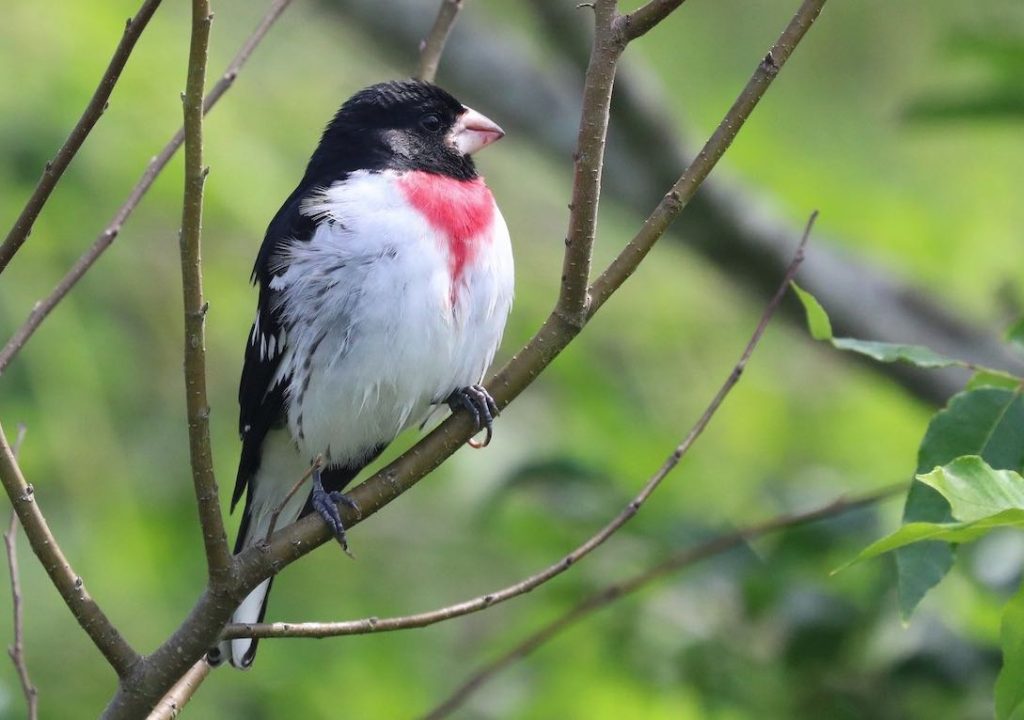
Rose-breasted Grosbeak. Sandi Templeton/Macaulay Library. eBird S35899550.
Gulf Coast and Southeast
Light to locally moderate flights were the norm for the weekend across the region, with generally unfavorable winds following passage of a strong frontal boundary in the preceding days. A new frontal boundary, and southerly flow ahead of it, spawned more intense flights on Monday night, particularly in Texas and Louisiana. Its passage also reduced and restricted flight intensities, but by Wednesday and Thursday nights more intense moderate flights had become more widespread in increasingly favorable conditions.
Top Movers
[expand title=”Increasing” tag=”h3″]
[table sort=”,desc” tablesorter=”true”]
Species,Increase from Last Week[attr style=”color:green”],% of Checklists Reporting
Summer Tanager,119%,9.4
Wood Thrush,171%,3.4
Red-eyed Vireo,93%,11.3
Scarlet Tanager,164%,4.1
Orchard Oriole,121%,6.8
Worm-eating Warbler,145%,4.9
Kentucky Warbler,174%,2.3
Indigo Bunting,89%,8.2
Blue Grosbeak,161%,2.6
American Redstart,129%,3.2
Tennessee Warbler,192%,1.9
Eastern Kingbird,71%,10.1
Hooded Warbler,87%,7.4
Chimney Swift,64%,13.3
Rose-breasted Grosbeak,189%,1.5
Swainson’s Warbler,121%,2.1
Prothonotary Warbler,79%,6
Cape May Warbler,169%,1.5
Great Crested Flycatcher,42%,16.1
Ovenbird,80%,3.3
Blue-winged Warbler,157%,1.5
Northern Waterthrush,106%,1.9
Ruby-throated Hummingbird,42%,10.8
Swainson’s Thrush,180%,1
Chuck-will’s-widow,71%,2.4
[/table]
[/expand]
[expand title=”Decreasing” tag=”h3″]
[table sort=”,asc” tablesorter=”true”]
Species,Decrease from Last Week[attr style=”color:red”],% of Checklists Reporting
Dark-eyed Junco,-67%,0.8
Pied-billed Grebe,-28%,6.6
Double-crested Cormorant,-22%,15.1
Ruby-crowned Kinglet,-20%,12.5
American Kestrel,-41%,2
Green-winged Teal,-59%,0.7
Northern Flicker,-26%,4.5
Hermit Thrush,-32%,2.4
Ring-billed Gull,-24%,4.8
Osprey,-11%,15.8
Bonaparte’s Gull,-55%,0.6
Northern Shoveler,-25%,3.2
Mallard,-16%,7.8
Northern Harrier,-32%,2.1
Bufflehead,-61%,0.5
Chipping Sparrow,-14%,13
Yellow-bellied Sapsucker,-58%,0.5
Fish Crow,-11%,19.1
Canada Goose,-12%,11.2
Wilson’s Snipe,-39%,1.1
Song Sparrow,-14%,6.7
Western Sandpiper,-30%,1.2
Bald Eagle,-14%,5.1
Yellow-rumped Warbler,-7%,19.8
[/table]
[/expand]
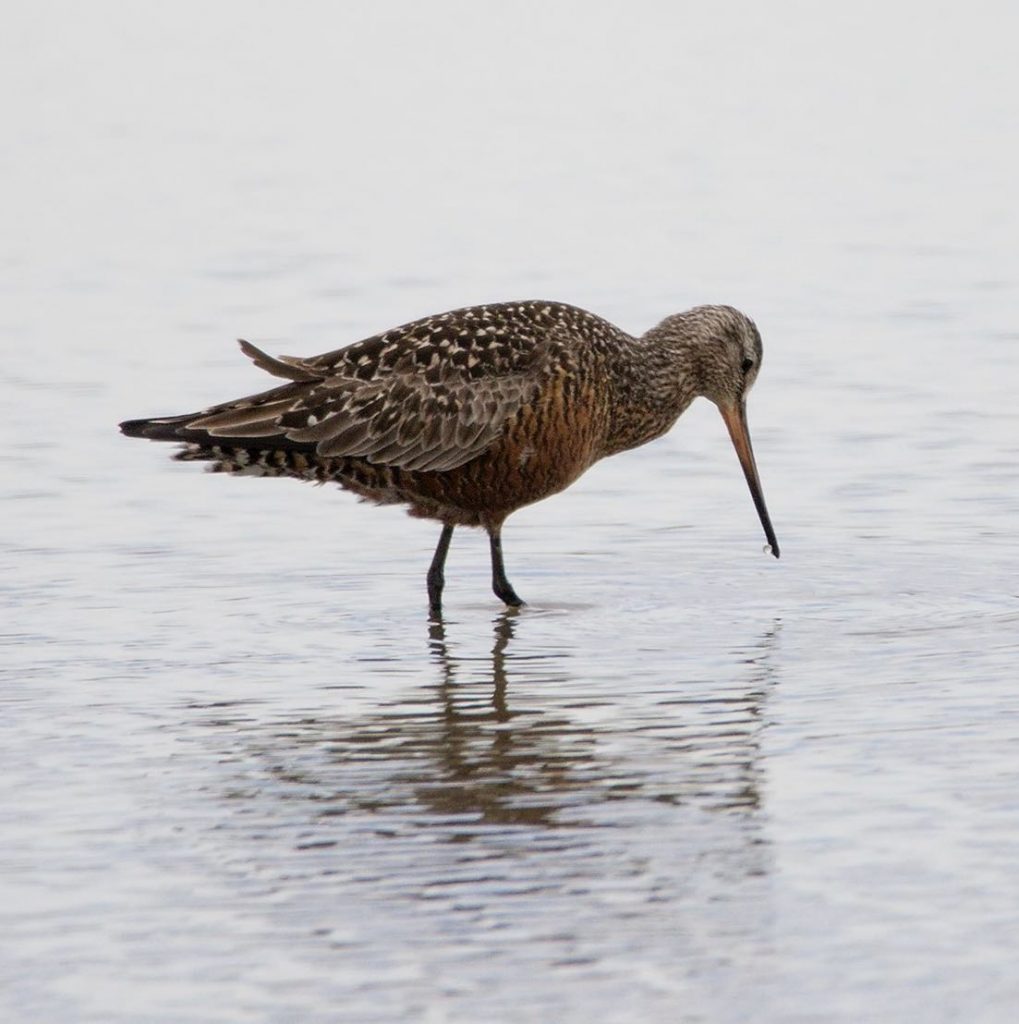
Hudsonian Godwit. Brian Peterson/Macaulay Library. eBird S35813240.
Great Plains
Locally light to moderate flights were the norm for the weekend, first in the eastern reaches of the region and then increasingly restricted to more southerly reaches. Friday night’s flights were the most intense of the period, as the remainder of the week saw scattered light to locally moderate flights peppered across the region. Although these became generally more widespread by period’s end, intensities did not increase noticeably over the period.
Top Movers
[expand title=”Increasing” tag=”h3″]
[table sort=”,desc” tablesorter=”true”]
Species,Increase from Last Week[attr style=”color:green”],% of Checklists Reporting
House Wren,264%,4
Lesser Yellowlegs,93%,10.9
Northern Parula,130%,6.9
Yellow-headed Blackbird,112%,6.3
Long-billed Dowitcher,155%,4.1
Chipping Sparrow,60%,13.7
Hudsonian Godwit,247%,2.3
Pectoral Sandpiper,116%,5.5
Swainson’s Hawk,146%,3.9
Barn Swallow,57%,15.4
Blue-gray Gnatcatcher,60%,12.6
Scissor-tailed Flycatcher,78%,8.8
Marbled Godwit,291%,2
Brown Thrasher,58%,13.4
Grasshopper Sparrow,177%,2.7
Brown-headed Cowbird,41%,24.2
Baird’s Sandpiper,93%,4.9
Broad-winged Hawk,188%,2
Sora,183%,2
Wilson’s Snipe,84%,6.1
Yellow-rumped Warbler,40%,17
Franklin’s Gull,57%,9.3
American Avocet,101%,4.1
Tree Swallow,42%,15.7
White-faced Ibis,134%,3
[/table]
[/expand]
[expand title=”Decreasing” tag=”h3″]
[table sort=”,asc” tablesorter=”true”]
Species,Decrease from Last Week[attr style=”color:red”],% of Checklists Reporting
Dark-eyed Junco,-67%,7.5
Ring-necked Duck,-40%,5.8
Common Goldeneye,-70%,0.9
American Tree Sparrow,-65%,1.1
Lesser Scaup,-27%,9.6
Ruddy Duck,-28%,7.3
Red-breasted Merganser,-65%,0.7
Fox Sparrow,-53%,1.5
Bald Eagle,-30%,5
American Wigeon,-21%,7.7
Herring Gull,-51%,0.9
Tundra Swan,-51%,0.9
Bufflehead,-19%,8.7
Greater Scaup,-47%,0.7
Northern Shoveler,-9%,24.1
Hooded Merganser,-23%,3.8
Redhead,-19%,5.4
Green-winged Teal,-14%,11.7
Yellow-bellied Sapsucker,-45%,0.7
Brown Creeper,-31%,1.8
Pied-billed Grebe,-13%,13.9
Snow Goose,-21%,3.2
Purple Finch,-39%,0.6
Rough-legged Hawk,-54%,0.3

Grace’s Warbler. Chris McCreedy/Macaulay Library. eBird S35860975.
West
Scattered precipitation occurred in many areas to kick off the period, with most movements restricted to portions of California and the Desert Southwest. In the wake of precipitation in more northerly areas, migration in those areas continued to show a slow start to the work week. But in more southerly areas, light to moderate movements were frequent. This pattern continued through the remainder of the period, with precipitation and unfavorable migration conditions continuing sporadically in more northerly areas and light to moderate flights continuing in more southerly areas.
Top Movers
[expand title=”Increasing” tag=”h3″]
[table sort=”,desc” tablesorter=”true”]
Species,Increase from Last Week[attr style=”color:green”],% of Checklists Reporting
Black-headed Grosbeak,79%,4.5
Ash-throated Flycatcher,60%,5.6
Swainson’s Hawk,65%,4.4
Brown-headed Cowbird,43%,6
Black-throated Gray Warbler,63%,3.3
Barn Swallow,30%,11.9
Lazuli Bunting,128%,1.4
Black-chinned Hummingbird,42%,4.7
Yellow Warbler,45%,4.3
Common Yellowthroat,25%,9.4
Wilson’s Warbler,39%,4.5
House Wren,24%,7.1
Vaux’s Swift,167%,0.7
Common Grackle,33%,4.5
Nashville Warbler,80%,1
Yellow-headed Blackbird,33%,3.9
Tree Swallow,13%,15.5
Orange-crowned Warbler,14%,11.5
Chipping Sparrow,24%,4.9
Caspian Tern,36%,2.7
Cliff Swallow,20%,6.7
American Goldfinch,14%,9.3
Cassin’s Vireo,48%,1.2
Grace’s Warbler,72%,0.7
[/table]
[/expand]
[expand title=”Decreasing” tag=”h3″]
[table sort=”,asc” tablesorter=”true”]
Species,Decrease from Last Week[attr style=”color:red”],% of Checklists Reporting
American Wigeon,-23%,8.5
Common Goldeneye,-32%,3
Fox Sparrow,-35%,1.4
Ring-billed Gull,-18%,5.4
Lesser Scaup,-13%,5.3
Ruby-crowned Kinglet,-14%,9.4
Canvasback,-25%,1.4
Dark-eyed Junco,-10%,15.5
American Pipit,-16%,1.6
Horned Grebe,-13%,2.8
Purple Finch,-11%,4.1
Cedar Waxwing,-9%,3.2
Killdeer,-4%,16.2
Long-billed Curlew,-12%,1.9
Bald Eagle,-5%,7.2
Black-bellied Plover,-9%,1.1
Varied Thrush,-12%,0.5
Townsend’s Warbler,-5%,1.8
Dunlin,-5%,1.4
Mew Gull,-4%,1.5
Least Sandpiper,-2%,2.7
Hermit Thrush,0%,2.5
[/table]
[/expand]
–––––––––––––––––––––––––––––––––––
Farnsworth and Van Doren
Scientific Team
BirdCast is made possible by the participating scientists at the below institutions, and many other contributors.