


Regional Migration Analysis: 30 April – 6 May 2016
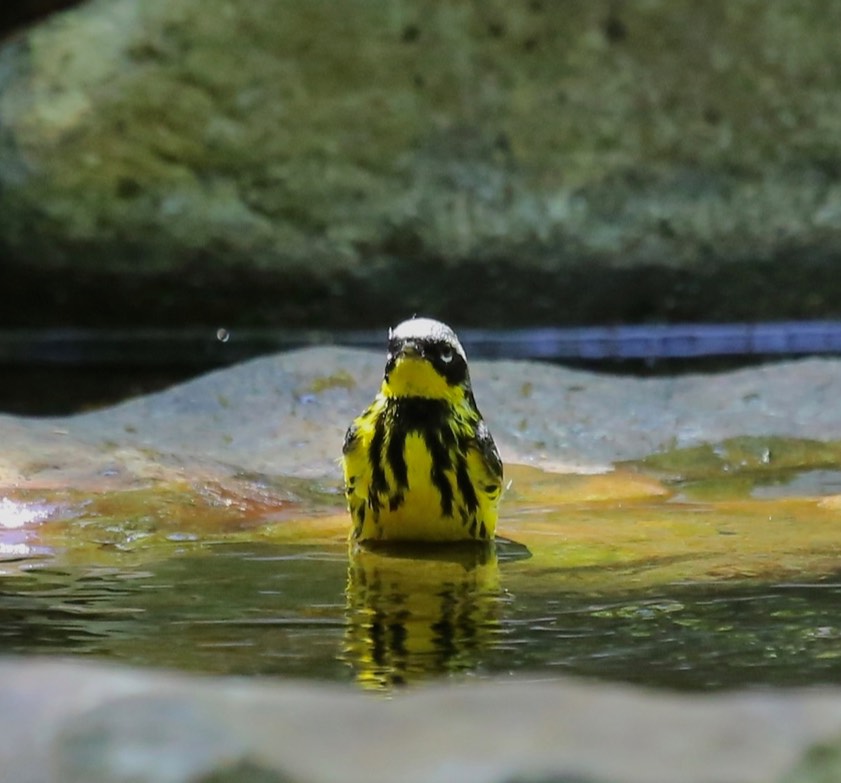
Magnolia Warbler. Sue Orwig/Macaulay Library. 4 May 2016. eBird S29409005
Continental Summary
Moderate movements, particularly from California east through the central and southern Rockies, featured Black Tern, Cordilleran Flycatcher, Plumbeous Vireo, Swainson’s Thrush, Black-headed Grosbeak, and Western Tanager and highlighted the period in the West, while moderate to heavy flights, particularly in the central and southern US, featured Common Nighthawk, Yellow-bellied Flycatcher, Least Flycatcher, Philadelphia Vireo, Veery, Magnolia Warbler, and American Redstart and highlighted the period in the East.
[animation name=”29-april-6-may-2016-analysis”]
Need a review of our definitions for regions, species on the move, and migration amounts? Please visit this link.
Quick Links to Regions
Upper Midwest and Northeast |
Gulf Coast and Southeast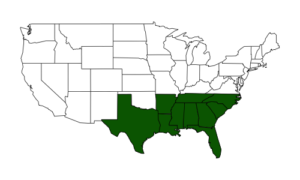 |
Great Plains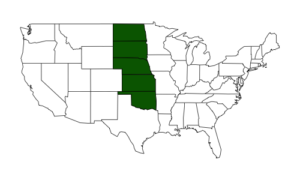 |
West |
Upper Midwest and Northeast
The weekend saw moderate to locally heavy flights patchily distributed across the region, with perhaps the most intense and extensive flights on Sunday in the Ohio River Valley. Similarly patchy distributions of movements continued through Tuesday, when migration reach its greatest extents from western New York and the mid Atlantic states west through the central Mississippi River Valley. These patchy distributions related directly to the presence of fairly extensive precipitation and generally unfavorable winds, particularly in more coastal locations. Note that several interesting concentration events occurred, most notably in Cape May on Monday. By the end of the week, conditions farther west in the region had improved significantly to allow for moderate to locally heavy flights to return in the Mississippi River Valley. But many locations farther east continued to experience poor conditions for migration as the Omega block presently in place kept much of the region cool, wet, and with easterly flow.
Top Movers
[expand title=”Increasing” tag=”h3″]
[table sort=”,desc” tablesorter=”true”]
Species,Increase from Last Week[attr style=”color:green”],% of Checklists Reporting
Baltimore Oriole,147%,21.9
Veery,311%,6.7
Rose-breasted Grosbeak,126%,19.6
Chestnut-sided Warbler,206%,5.6
Magnolia Warbler,562%,2.5
American Redstart,140%,8.5
Least Flycatcher,406%,2.5
Great Crested Flycatcher,110%,9.9
Blackburnian Warbler,181%,3.6
Wood Thrush,79%,16.8
Gray Catbird,65%,33.8
Black-throated Green Warbler,100%,12.3
Ovenbird,84%,17.3
White-crowned Sparrow,84%,12.2
Black-throated Blue Warbler,137%,6
Eastern Wood-Pewee,238%,2.3
Bobolink,251%,1.8
Yellow Warbler,57%,29.8
Scarlet Tanager,79%,9.1
Nashville Warbler,66%,9.3
Warbling Vireo,51%,13.8
Black-and-white Warbler,53%,17.7
Acadian Flycatcher,216%,1.3
Common Yellowthroat,49%,20.8
Yellow-billed Cuckoo,100%,2.4
[/table]
[/expand]
[expand title=”Decreasing” tag=”h3″]
[table sort=”,asc” tablesorter=”true”]
Species,Decrease from Last Week[attr style=”color:red”],% of Checklists Reporting
Rusty Blackbird,-45%,1.2
Dark-eyed Junco,-53%,3.4
Pectoral Sandpiper,-44%,0.9
Yellow-throated Warbler,-32%,2.3
Hermit Thrush,-26%,6.8
Green-winged Teal,-35%,2
American Tree Sparrow,-70%,0.4
Purple Finch,-27%,3.3
Northern Shoveler,-28%,2
Blue-winged Teal,-17%,5.7
Pine Warbler,-16%,6.6
Broad-winged Hawk,-21%,3.3
American Kestrel,-24%,2.5
White-throated Sparrow,-17%,35.8
Northern Pintail,-54%,0.2
Bufflehead,-24%,2.8
Carolina Wren,-9%,18.1
Wild Turkey,-16%,6
Northern Harrier,-24%,1.7
Turkey Vulture,-8%,23
Long-billed Dowitcher,-60%,0.2
American Coot,-15%,3.9
Brown Creeper,-25%,1.9
[/table]
[/expand]
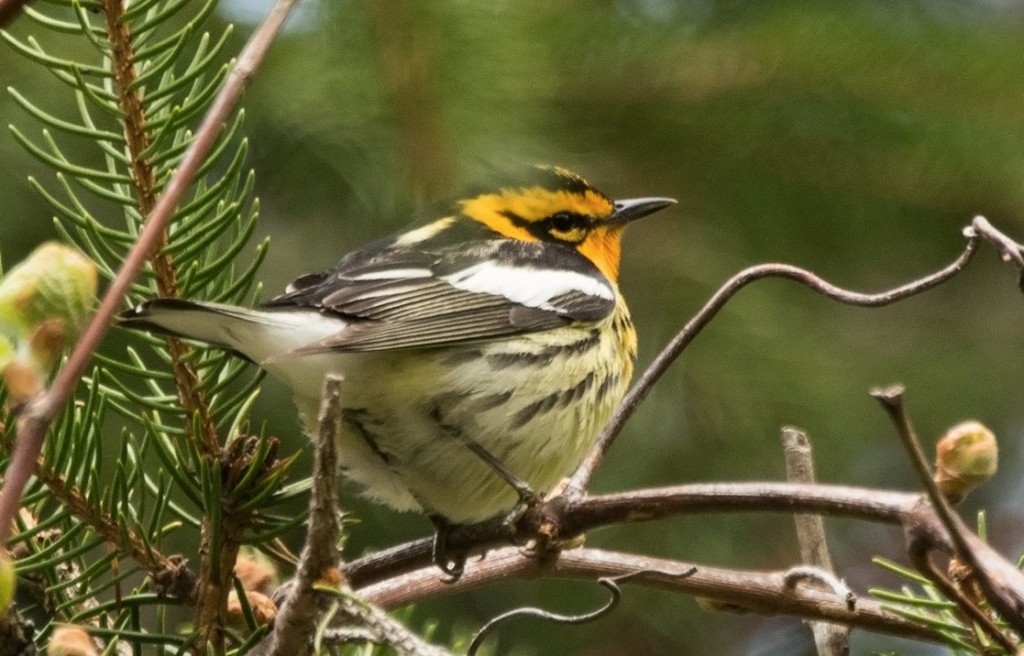
Blackburnian Warbler. Sue Barth/Macaulay Library. 5 May 2016. eBird S29429907
Gulf Coast and Southeast
Moderate to heavy flights were the norm in many areas for the first half of the period in advance of frontal passage that occurred on Sunday night and Monday. Movements continued in its wake, though these were more localized and less intense. By Tuesday and continuing through Thursday, more intense movements returned to the region, primarily in Texas and Louisiana.
Top Movers
[expand title=”Increasing” tag=”h3″]
[table sort=”,desc” tablesorter=”true”]
Species,Increase from Last Week[attr style=”color:green”],% of Checklists Reporting
Bay-breasted Warbler,230%,6.6
Magnolia Warbler,122%,11.1
American Redstart,87%,20.5
Philadelphia Vireo,453%,4
Least Flycatcher,124%,3.6
Blackburnian Warbler,265%,6.2
Yellow Warbler,49%,13.4
Swainson’s Thrush,69%,10.4
Chestnut-sided Warbler,53%,9.2
Yellow-billed Cuckoo,42%,14.8
Wilson’s Warbler,100%,3
Eastern Wood-Pewee,36%,12.5
White-rumped Sandpiper,161%,2.1
Semipalmated Sandpiper,57%,4.6
Gray-cheeked Thrush,104%,4
Canada Warbler,68%,2.2
Barn Swallow,25%,29.4
Common Nighthawk,33%,7
Yellow-bellied Flycatcher,1264%,0.6
Least Sandpiper,28%,7.9
Willow Flycatcher,691%,0.5
Acadian Flycatcher,31%,5.3
Dickcissel,21%,6.6
Bank Swallow,44%,1.9
Chimney Swift,17%,22.9
[/table]
[/expand]
[expand title=”Decreasing” tag=”h3″]
[table sort=”,asc” tablesorter=”true”]
Species,Decrease from Last Week[attr style=”color:red”],% of Checklists Reporting
White-throated Sparrow,-61%,2.7
Cerulean Warbler,-74%,0.3
Sora,-51%,1.1
Palm Warbler,-32%,3.9
Yellow-rumped Warbler,-36%,6.7
Pine Siskin,-40%,2.1
Blue-winged Warbler,-54%,0.9
Prairie Warbler,-33%,3.1
Worm-eating Warbler,-39%,1.9
Northern Harrier,-80%,0.2
Marsh Wren,-44%,1.2
Swamp Sparrow,-61%,0.5
Upland Sandpiper,-79%,0.1
Roseate Spoonbill,-25%,3.3
Dark-eyed Junco,-74%,0.4
Piping Plover,-54%,0.3
Pied-billed Grebe,-36%,2.4
American Coot,-26%,5.6
Willet,-19%,5.5
American Goldfinch,-22%,11.2
Marbled Godwit,-64%,0.2
Sharp-shinned Hawk,-44%,0.6
Swainson’s Hawk,-31%,1.6
[/table]
[/expand]
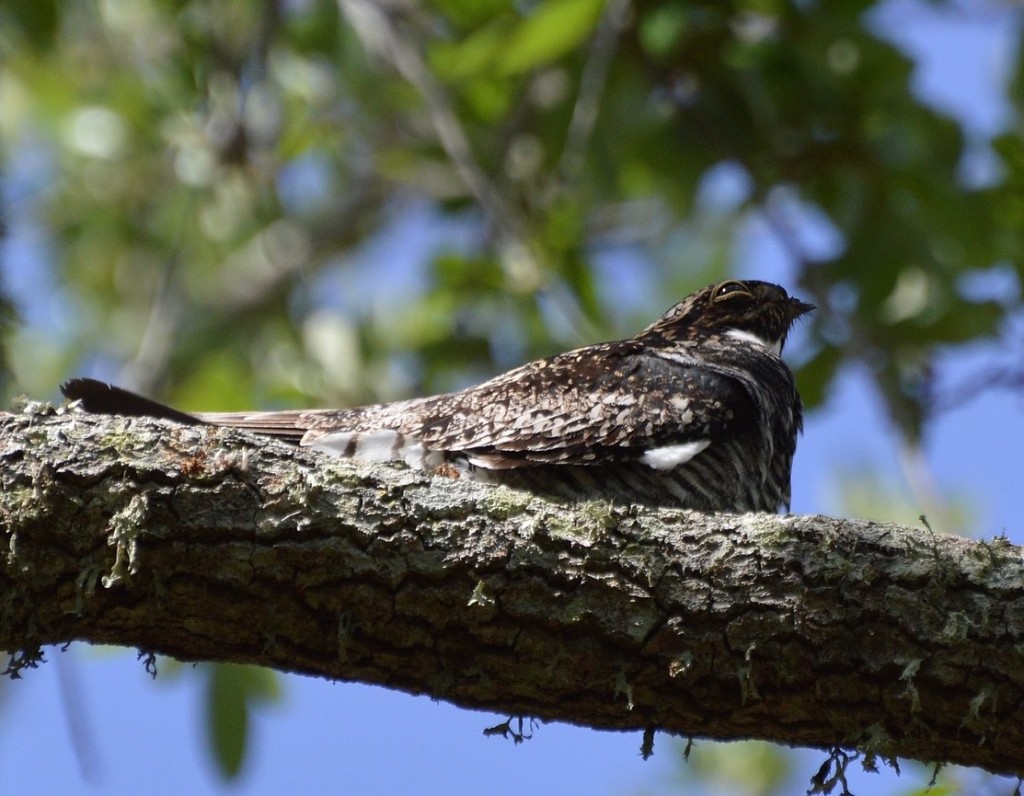
Common Nighthawk. JoAnna Clayton/Macaulay Library. 5 May 2016. eBird S29423599
Great Plains
A quiet weekend saw movements restricted mostly to the northern and central Plains states, where moderate flights occurred. This restriction was largely a function of a passing low pressure system through the central and southern Plains. By Monday night, more extensive moderate to locally heavy flights were aloft over the central Plains. These movements intensified and expanded to include the breadth of the region by Wednesday and Thursday night, when moderate to heavy movements reached their greatest extents so far of the spring in highly favorable migration conditions.
Top Movers
[expand title=”Increasing” tag=”h3″]
[table sort=”,desc” tablesorter=”true”]
Species,Increase from Last Week[attr style=”color:green”],% of Checklists Reporting
Yellow Warbler,163%,19.5
Least Flycatcher,244%,6.1
Black-crowned Night-Heron,247%,4.5
Swainson’s Thrush,67%,21.5
Clay-colored Sparrow,78%,12.4
Indigo Bunting,76%,15.1
Eastern Wood-Pewee,297%,2.9
Gray Catbird,91%,7.8
Dickcissel,80%,10.1
Blue-headed Vireo,169%,3.7
Rose-breasted Grosbeak,92%,5.2
Warbling Vireo,56%,16.1
Bobolink,190%,2.3
American Redstart,715%,1.5
House Wren,47%,22
Bullock’s Oriole,524%,1.6
Red-eyed Vireo,54%,11.9
Summer Tanager,54%,9.4
Orchard Oriole,53%,6.3
Common Nighthawk,196%,2.4
Common Yellowthroat,59%,8.7
Northern Waterthrush,97%,2.9
Red-headed Woodpecker,53%,10.1
Great Crested Flycatcher,29%,14.6
Blackpoll Warbler,139%,2.3
[/table]
[/expand]
[expand title=”Decreasing” tag=”h3″]
[table sort=”,asc” tablesorter=”true”]
Species,Decrease from Last Week[attr style=”color:red”],% of Checklists Reporting
Hermit Thrush,-72%,0.8
Osprey,-51%,2.2
Dark-eyed Junco,-99%,0
Greater Yellowlegs,-27%,5.6
Green-winged Teal,-36%,3.3
American Kestrel,-30%,6.5
Wild Turkey,-20%,8.1
Purple Finch,-65%,0.6
Field Sparrow,-20%,7.6
Greater Scaup,-73%,0.2
Baird’s Sandpiper,-26%,4.2
Ring-necked Pheasant,-17%,9.5
Little Blue Heron,-45%,0.6
Ring-billed Gull,-18%,8.1
Northern Harrier,-39%,2.3
Lark Sparrow,-24%,12.3
Herring Gull,-55%,0.6
Double-crested Cormorant,-14%,14.3
Blue-winged Teal,-11%,29.2
Swamp Sparrow,-42%,0.9
Bonaparte’s Gull,-41%,1
American Pipit,-38%,0.8
Wilson’s Snipe,-34%,1.3
American Golden-Plover,-29%,0.7
Vesper Sparrow,-23%,4
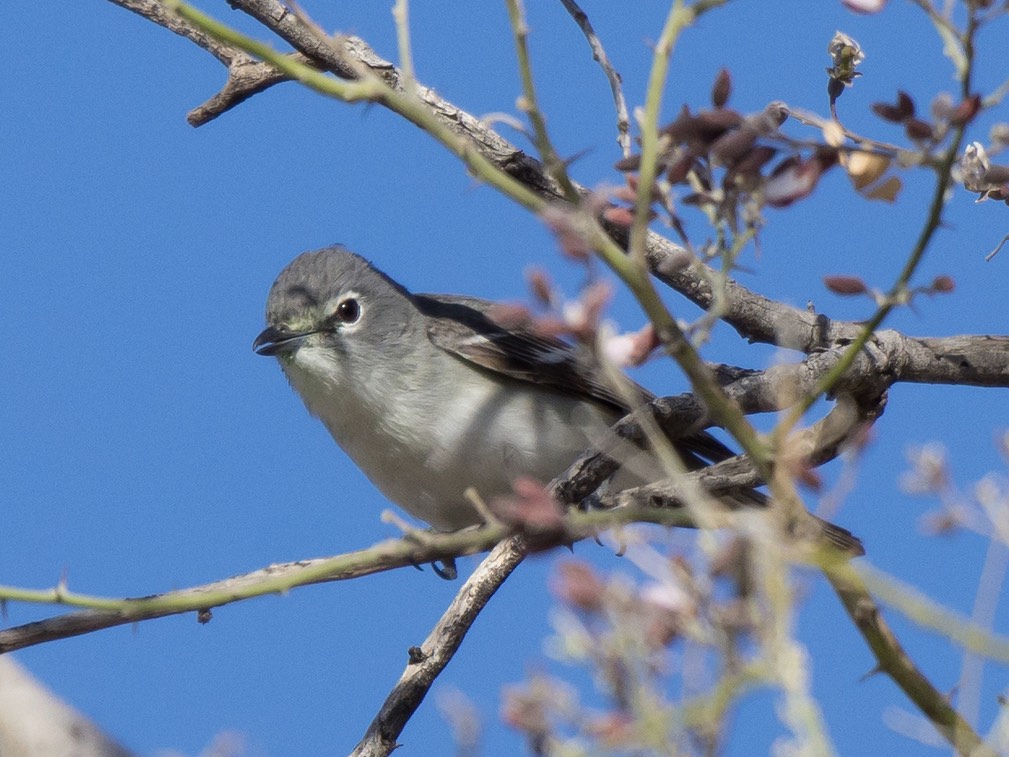
Plumbeous Vireo. Gordon Karre/Macaulay Library. 2 May 2016. eBird S29357013
West
Scattered precipitation kept most movements locally and light for the first half of the weekend in many areas. However, Sunday night saw a pulse of moderate flights in California and more extensive light to locally moderate flights in the Desert Southwest and in portions of the Great Basin and northern Rockies. These movements intensified on Monday night, and even expanded during the coming nights. By Wednesday night, moderate flights were apparent from California south and east through the Desert Southwest, and along the eastern front of the Rockies in Colorado and New Mexico. Thursday night saw scattered precipitation return to many areas west of the Rockies, but moderate flights continued in many areas east of the Rockies.
Top Movers
[expand title=”Increasing” tag=”h3″]
[table sort=”,desc” tablesorter=”true”]
Species,Increase from Last Week[attr style=”color:green”],% of Checklists Reporting
Swainson’s Thrush,270%,4
Western Tanager,77%,13.1
Yellow Warbler,61%,14.5
Black-headed Grosbeak,48%,18.4
Western Wood-Pewee,73%,5.9
MacGillivray’s Warbler,80%,3.2
Olive-sided Flycatcher,84%,3
Bullock’s Oriole,44%,10.8
Warbling Vireo,47%,9.3
Townsend’s Warbler,48%,5.5
Clay-colored Sparrow,217%,0.9
Plumbeous Vireo,66%,3.1
Western Kingbird,45%,14.3
Blue Jay,75%,3.4
Spotted Sandpiper,31%,9.8
Brown-headed Cowbird,35%,20.7
Chipping Sparrow,33%,12.3
Wilson’s Warbler,28%,18.2
Black Tern,3276%,0.4
Hepatic Tanager,95%,1
Yellow-breasted Chat,50%,3.6
Lazuli Bunting,35%,6.4
Cordilleran Flycatcher,348%,0.4
Broad-tailed Hummingbird,33%,4.9
[/table]
[/expand]
[expand title=”Decreasing” tag=”h3″]
[table sort=”,asc” tablesorter=”true”]
Species,Decrease from Last Week[attr style=”color:red”],% of Checklists Reporting
Golden-crowned Sparrow,-55%,2
Least Sandpiper,-42%,3.9
Horned Grebe,-60%,0.7
Greater Yellowlegs,-40%,2.1
American Pipit,-54%,1.1
Red-breasted Merganser,-49%,0.8
Cackling Goose,-55%,0.5
Bufflehead,-32%,4.8
Bonaparte’s Gull,-41%,1.9
Green-winged Teal,-26%,5.3
Belted Kingfisher,-23%,5.4
American Wigeon,-25%,5
Franklin’s Gull,-34%,1.9
Lesser Scaup,-23%,3.3
Marbled Godwit,-28%,1.7
Western Sandpiper,-23%,3.9
White-throated Sparrow,-45%,0.3
Northern Harrier,-19%,4.3
Costa’s Hummingbird,-26%,1.5
Willet,-28%,2.9
Greater White-fronted Goose,-36%,0.5
Common Goldeneye,-33%,1.1
Lesser Yellowlegs,-37%,1.1
Barrow’s Goldeneye,-44%,0.3
Northern Rough-winged Swallow,-18%,11.7
[/table]
[/expand]
–––––––––––––––––––––––––––––––––––
Farnsworth and Van Doren
Scientific Team
BirdCast is made possible by the participating scientists at the below institutions, and many other contributors.