


Regional Migration Analysis: 14-21 August 2015
Continental Summary
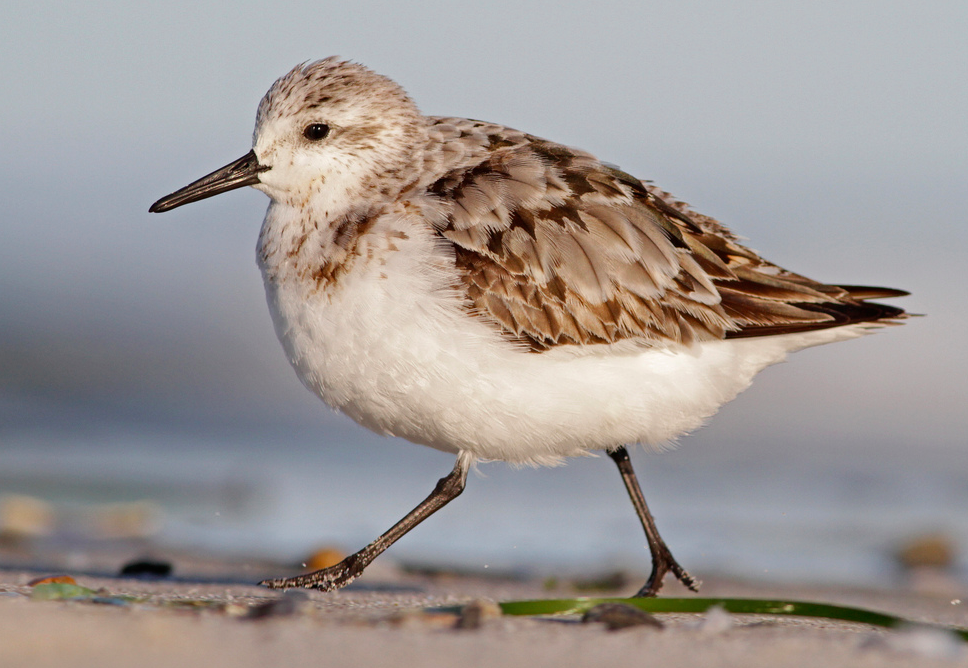
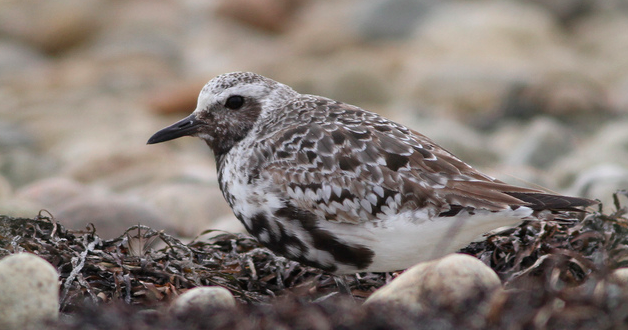
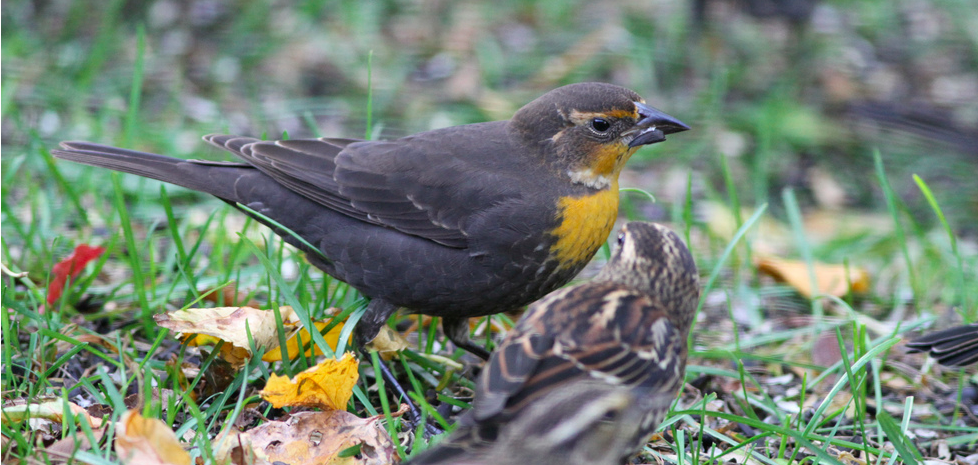
Scattered light to moderate movements featuring American Wigeon, Sanderling, Yellow Warbler, Wilson’s Warbler, and Yellow-headed Blackbird highlighted the week in the West, while Black-bellied Plover, Wilson’s Phalarope, Common Nighthawk, Least Flycatcher, Chestnut-sided Warbler, Yellow Warbler, and Wilson’s Warbler composed generally light early period and increasing moderate and even isolated heavy later period movements in the East.
Curious what birds will move next? Check out our migration forecast.
[animation name=”analysis-14-214-august-2015″]
Need a review of our definitions for regions, species on the move, and migration amounts? Please visit this link.
Quick Links to Regions
Upper Midwest and Northeast |
Gulf Coast and Southeast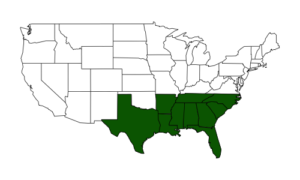 |
Great Plains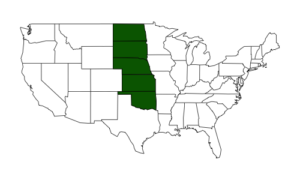 |
West |
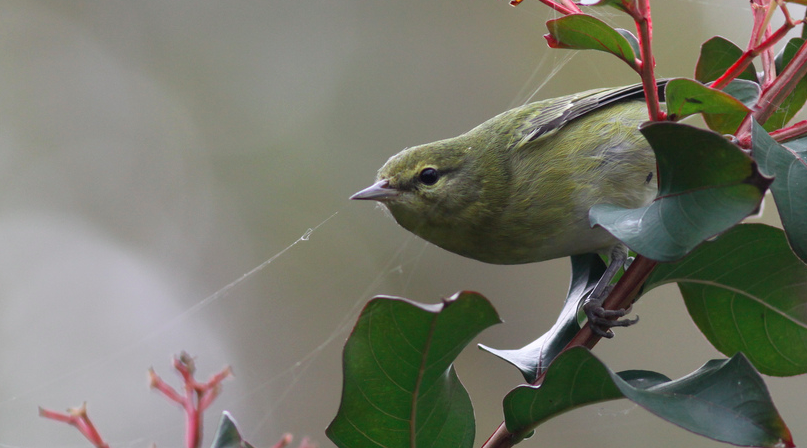 Upper Midwest and Northeast
Several days of light movements kicked off the forecast period across the region, with summer like conditions in full effect and muting most movements with unfavorable conditions. But a frontal boundary that began its incursion into the region on Sunday night brought locally moderate to heavy flights in the western Great Lakes. The intensity of these flights continued in the vicinity of the Mississippi River through the end of the period, as the slowing moving system allowed birds to the west of the frontal boundary to take advantage of marginal and favorable flying conditions. Note that much of the remainder of the region was quiet in advance of this frontal passage, but with its passage on Thursday night more moderate flights followed.
Top Movers
[expand title=”Increasing” tag=”h3″]
[table sort=”,desc” tablesorter=”true”]
Species,Increase from Last Week[attr style=”color:green”],% of Checklists Reporting
Common Nighthawk,121%,2.4
Black Tern,105%,2.6
Canada Warbler,52%,2.6
Blue-winged Teal,35%,3.6
Tennessee Warbler,96%,1.3
Western Sandpiper,91%,1
Chestnut-sided Warbler,25%,3.4
Semipalmated Sandpiper,14%,13.8
Black-and-white Warbler,17%,6.6
Blackburnian Warbler,37%,1.7
Northern Shoveler,68%,0.9
Cooper’s Hawk,18%,4.8
Olive-sided Flycatcher,56%,0.9
Baltimore Oriole,11%,14.2
Least Flycatcher,26%,2.1
Least Sandpiper,10%,16.2
Lesser Yellowlegs,11%,11.3
Laughing Gull,10%,11.3
Mallard,6%,28.6
Greater Yellowlegs,10%,9.9
Wilson’s Warbler,169%,0.3
Northern Waterthrush,17%,2.7
Baird’s Sandpiper,34%,1.4
Blue-winged Warbler,21%,1.8
[/table]
[/expand]
[expand title=”Decreasing” tag=”h3″]
[table sort=”,asc” tablesorter=”true”]
Species,Decrease from Last Week[attr style=”color:red”],% of Checklists Reporting
Indigo Bunting,-27%,11.5
Dickcissel,-48%,0.6
Yellow Warbler,-25%,6.6
Red-winged Blackbird,-20%,19.6
Hermit Thrush,-41%,0.8
Purple Martin,-16%,6
Swamp Sparrow,-25%,2.4
Eastern Meadowlark,-27%,1.3
Willow Flycatcher,-24%,2.1
Field Sparrow,-16%,5.8
Common Yellowthroat,-15%,13.4
Grasshopper Sparrow,-43%,0.4
Acadian Flycatcher,-30%,1
Marsh Wren,-21%,1.9
House Wren,-12%,10.9
Northern Rough-winged Swallow,-14%,4.4
Orchard Oriole,-26%,1.1
Chipping Sparrow,-10%,14.9
[/table]
[/expand]
Gulf Coast and Southeast
Light movements dominated the migration scene across the Southeast during this period. Last weekend’s light to locally moderate flights in Texas probably consisted of as many local bat and insect flights as bird movements. Other parts of the region showed sparse migration signals as generally warm and unfavorable conditions for migration prevailed. The end of the period, particularly Wednesday and Thursday nights, saw more extensive light to locally moderate flights first west and then farther east of the Mississippi River valley; presumably more birds, rather than insects and bats, participated in these flights than those from earlier in the period, given a frontal boundary’s edges in the great river’s vicinity on Wednesday night.
Top Movers
[expand title=”Increasing” tag=”h3″]
[table sort=”,desc” tablesorter=”true”]
Species,Increase from Last Week[attr style=”color:green”],% of Checklists Reporting
Northern Waterthrush,55%,1.4
Wilson’s Phalarope,138%,1.7
Black-bellied Plover,36%,4.7
Prairie Warbler,21%,5.2
Chestnut-sided Warbler,57%,0.7
Western Sandpiper,25%,3.3
Marbled Godwit,31%,1.7
American Redstart,19%,3.5
Blue-winged Teal,24%,1.6
Blue-winged Warbler,56%,0.4
Blue-gray Gnatcatcher,10%,20
Northern Parula,13%,6.5
Long-billed Dowitcher,21%,1.5
Short-billed Dowitcher,15%,2.8
[/table]
[/expand]
[expand title=”Decreasing” tag=”h3″]
[table sort=”,asc” tablesorter=”true”]
Species,Decrease from Last Week[attr style=”color:red”],% of Checklists Reporting
Swallow-tailed Kite,-40%,0.9
Common Yellowthroat,-27%,3
Wood Thrush,-67%,0.2
Purple Martin,-22%,4.4
Least Tern,-19%,4
Indigo Bunting,-16%,8.1
Western Kingbird,-21%,2.1
American Robin,-13%,9.7
Blue-headed Vireo,-39%,0.4
Red-winged Blackbird,-11%,13.4
Brown-headed Cowbird,-13%,3.9
[/table]
[/expand]
Great Plains
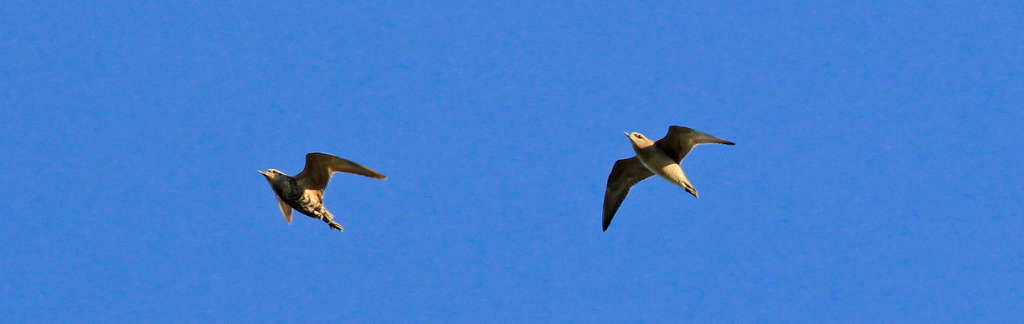
Light to moderate movements punctuated the northern Plains’ states weekend, with movements persisting into the early part of the work week. By midweek, the central Plains’ states participated in the action, with moderate and even locally heavy flights on Tuesday and Wednesday nights. These movements coincided with the frontal boundary passing east across the region and the more favorable northerly and slightly cooler flow following in its wake.
Top Movers
[expand title=”Increasing” tag=”h3″]
[table sort=”,desc” tablesorter=”true”]
Species,Increase from Last Week[attr style=”color:green”],% of Checklists Reporting
Wilson’s Warbler,829%,3.3
Blackburnian Warbler,1000+%,1.8
Least Flycatcher,157%,8.5
Yellow Warbler,153%,19.6
Franklin’s Gull,38%,13
Black-and-white Warbler,116%,2.7
American Golden-Plover,665%,1.4
Ring-billed Gull,24%,18.6
Black-bellied Plover,65%,2.7
Spotted Sandpiper,24%,16.5
Baltimore Oriole,22%,14.8
American Redstart,70%,2.3
Black-necked Stilt,69%,2.6
Least Sandpiper,18%,11.8
Merlin,71%,1.9
[/table]
[/expand]
[expand title=”Decreasing” tag=”h3″]
[table sort=”,asc” tablesorter=”true”]
Species,Decrease from Last Week[attr style=”color:red”],% of Checklists Reporting
Western Kingbird,-33%,7.9
Willow Flycatcher,-57%,0.5
Sora,-39%,1.7
Western Meadowlark,-29%,7.2
Grasshopper Sparrow,-35%,2.6
House Wren,-16%,9.7
Bobolink,-57%,0.3
Lark Sparrow,-17%,6.5
Spotted Towhee,-52%,0.6
Common Yellowthroat,-21%,6.1
Brown-headed Cowbird,-22%,6.3
Orchard Oriole,-22%,5.2
Red-winged Blackbird,-12%,20.9
[/table]
[/expand]
West
Despite a forecast that called for pulses to begin and end the forecast period, the West saw more consistent light to moderate flights for the entirety of the period. California and the Desert Southwest began the weekend with such movements, but the intermountain west quickly joined the migration game with scattered light to moderate movements on Saturday and Sunday nights. These movements continued in similar intensities and extents for the remainder of the period. Note that, similar to the Southeast region’s movements that included insects and bats, so to are many movements in places like New Mexico and portions of the eastern front of the Rockies composed of birds, bats, and insects.
Top Movers
[expand title=”Increasing” tag=”h3″]
[table sort=”,desc” tablesorter=”true”]
Species,Increase from Last Week[attr style=”color:green”],% of Checklists Reporting
Wilson’s Warbler,44%,13.7
Townsend’s Warbler,112%,2.8
Northern Shoveler,30%,5.1
Green-winged Teal,31%,4.7
Yellow Warbler,21%,15.9
MacGillivray’s Warbler,30%,4.6
Brewer’s Sparrow,59%,2.5
Orange-crowned Warbler,21%,8.3
Willow Flycatcher,31%,4.4
Yellow-headed Blackbird,45%,3.9
Black Phoebe,20%,20.2
Short-billed Dowitcher,32%,2.5
Sanderling,33%,2.2
Least Sandpiper,13%,14.2
Savannah Sparrow,15%,7
Semipalmated Plover,19%,6.4
Solitary Sandpiper,29%,2.3
American Wigeon,38%,1.4
Baird’s Sandpiper,24%,2.6
Nashville Warbler,23%,3
Clay-colored Sparrow,110%,0.5
[/table]
[/expand]
[expand title=”Decreasing” tag=”h3″]
[table sort=”,asc” tablesorter=”true”]
Species,Decrease from Last Week[attr style=”color:red”],% of Checklists Reporting
White-throated Swift,-23%,1.3
Olive-sided Flycatcher,-27%,1.4
Blue Grosbeak,-15%,4.7
Cassin’s Finch,-24%,1.3
Hermit Thrush,-35%,0.7
[/table]
[/expand]
–––––––––––––––––––––––––––––––––––
Farnsworth and Van Doren
Scientific Team
BirdCast is made possible by the participating scientists at the below institutions, and many other contributors.