

Treat Glass
Birds cannot distinguish where habitat ends and glass begins. When they fly into it, it is almost always fatal.
More than one billion birds die in collisions with glass every year.
You can make a difference as early as today.
The following information has been graciously provided to us by the Bird Collision Prevention Alliance (BCPA).
Why Birds Hit Glass
Three Risk Factors
Transparent Glass
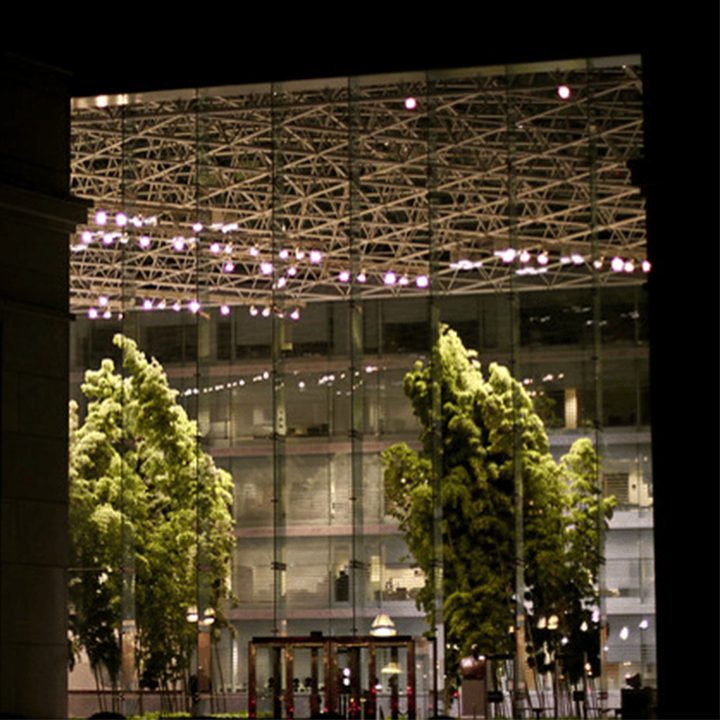
Birds don’t see glass as solid. They try to fly through it, usually in pursuit of food or shelter.
Reflective Glass
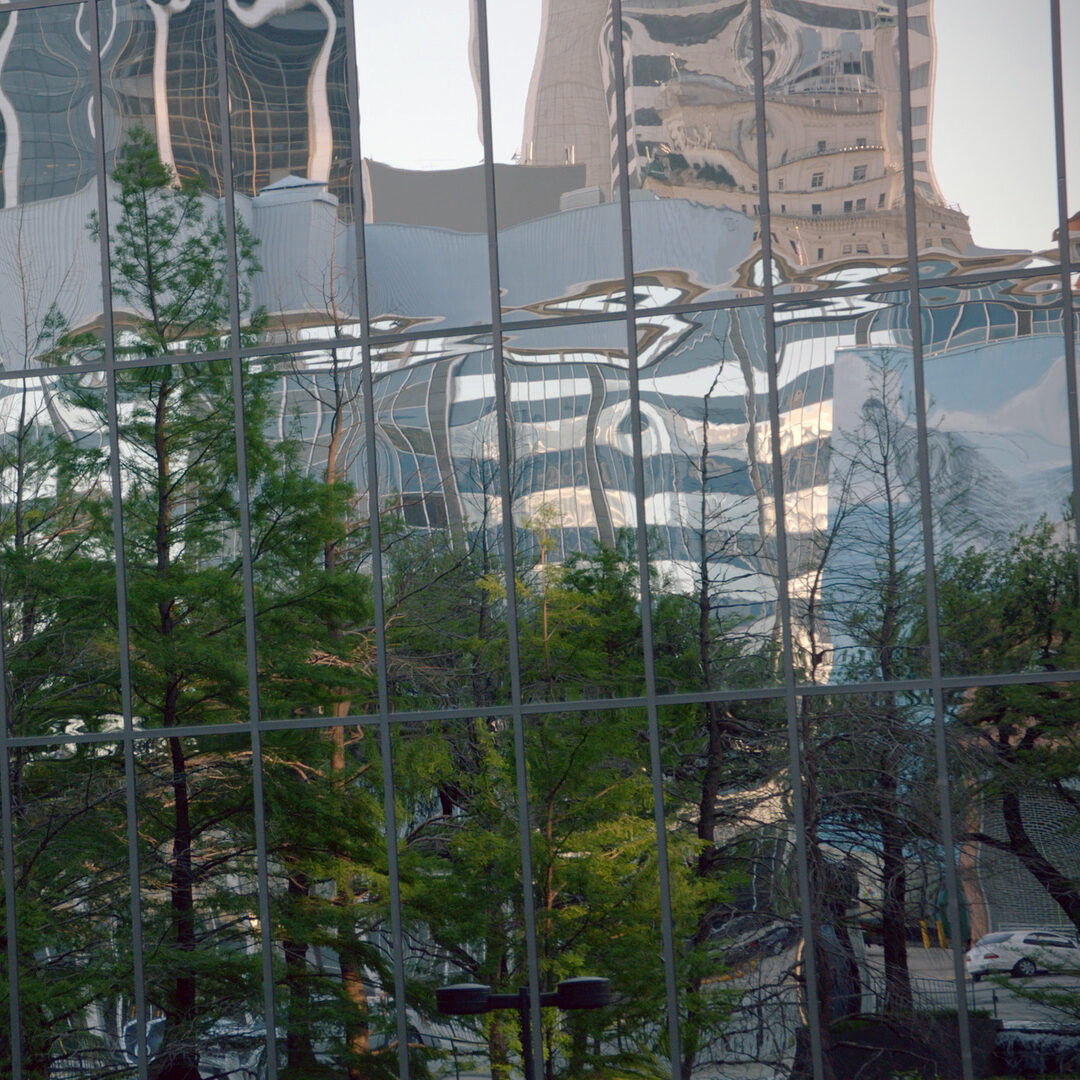
Birds see reflections as real habitat. They fly toward reflections unaware they are about to collide with glass.
Artificial Light

Light draws birds toward buildings at night as well as increasing the reflection and transparency of glass.
The Birds Most at Risk of Collision
Migratory Songbirds
Songbirds are often attracted to trees and plants near buildings. Their tendency to move in rapid bursts increases their risk of collision. This risk is heightened during fall and spring migration season when large numbers of birds stop over in urban areas. Artificial light often draws migrating birds toward buildings and glass.
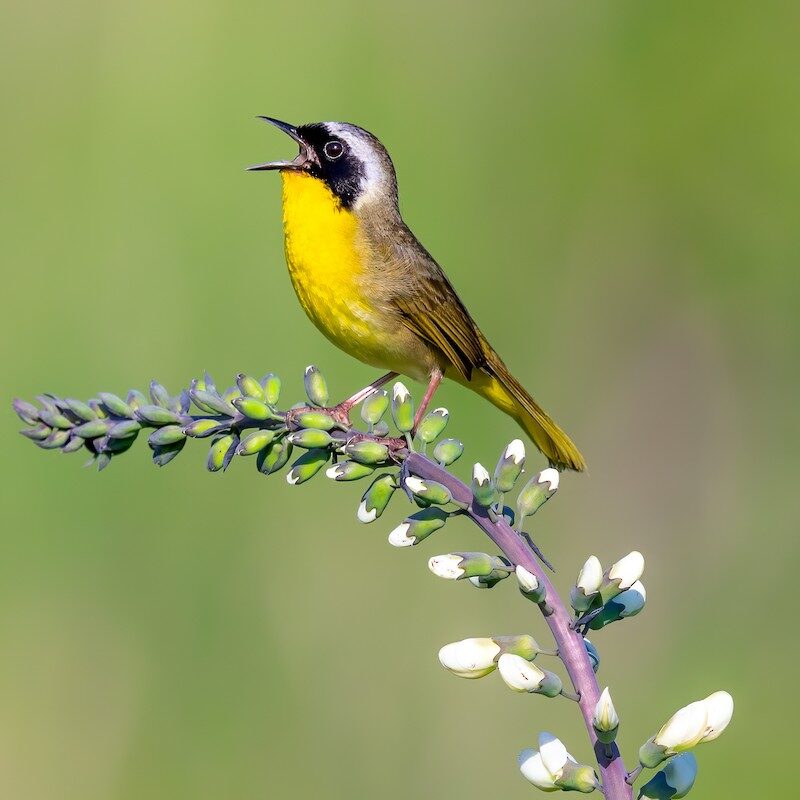
Migratory Songbirds Are Not the Only Birds at Risk of Collision
Around 300 species in the United States and Canada have been documented in window strikes including hawks, grouse, kingfishers, hummingbirds, woodpeckers, and birds of conservation concern such as Golden-winged Warblers and Painted Buntings.
Making Glass Visible to Birds
Two Key Rules
- Always add patterns on the outside surface of glass, this breaks up the dangerous reflection.
- To be effective, markers must be placed no farther than 2 inches apart for adhered markers or 3-4 inches apart for hung treatments.
How Are Pattern Recommendations Determined?
Follow These Simple Steps
It is best if all reflective and transparent materials up to the height of the mature tree canopy near a building are retrofitted. If this is not possible, move down the following bullet point list from highest risk to lowest risk to determine which glass to treat first.
1. Decide Which Glass to Retrofit First
- Glass that has caused known collisions.
- Glass near areas that attract birds (e.g., bird feeders, water features, gardens, trees and shrubs).
- Glass that creates a “passage effect” to trees or other habitat (transparent or reflective).
- Glass at the end of rock walls, outcrops, or other “funnel” shaped landscape features.
- Glass in a courtyard.
2. Choose Your Deterrent
When considering which collision deterrent method is best for you, there are some key considerations to be mindful of: price, aesthetics (both material and pattern), durability, warranty, installation skill level, and availability.
Go to the BCPAs website to find recommendations for:
If choosing another product, please verify that the product you choose has been tested as effective in reducing collisions using this rated product list from American Bird Conservancy.
3. Install Your Deterrent
Always treat the external side of glass. If the deterrent is applied on the inside, it may be obscured by reflections on the outside.
Different collision deterrents require different processes of installation. Make sure you investigate best practices for installing your chosen product to ensure the best outcome. If the glass you want to treat is difficult to reach, consider hiring a professional or enlisting friends to help you!
If you can’t permanently alter your windows due to renter restrictions, DIY options such as tempera paint, paint markers, and paracord curtains are not only effective and inexpensive, they are also easily removable.
In addition to making your windows visible to birds, you can also turn lights out at your residence during both spring migration (March–June) and fall migration (August–November).
Scientific Team
BirdCast is made possible by the participating scientists at the below institutions, and many other contributors.