


Turn Lights Out
Artificial light attracts birds, disrupting their migrations and drawing them close to the hazards of buildings and glass.
Why Turning Lights Out Helps Birds
When To Turn Lights Out
Turn off non-essential lights from dusk to dawn during critical migration periods.
Full Spring Migration Period: March 1–June 15
Full Fall Migration Period: August 15–November 30
Lights Out Action Alerts
A BirdCast forecast predicts the number of birds/km that will pass over a selected location during the night based on an analysis of 23 years of weather and radar data. A migration forecast triggers an alert whenever a prediction falls within a pre-determined “high” category.
These high migration alerts can be used to know when it is most important to turn your lights out, and to encourage others to do the same.
The following information has been graciously provided to us by the Bird Collision Prevention Alliance (BCPA).
Reducing Artificial Light
1. Turn off lights in your home and office
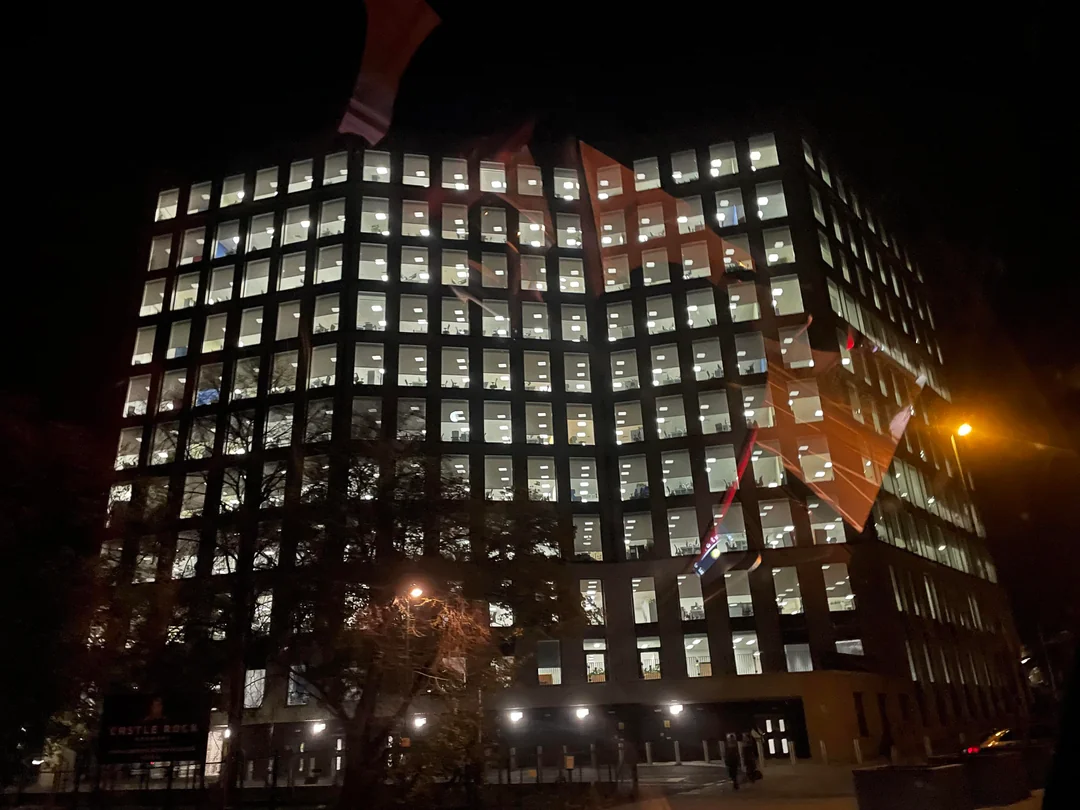
Turn off lights before leaving your home or business and advocate for turning lights out at your office building.
2. Turn off lights where greenery meets glass
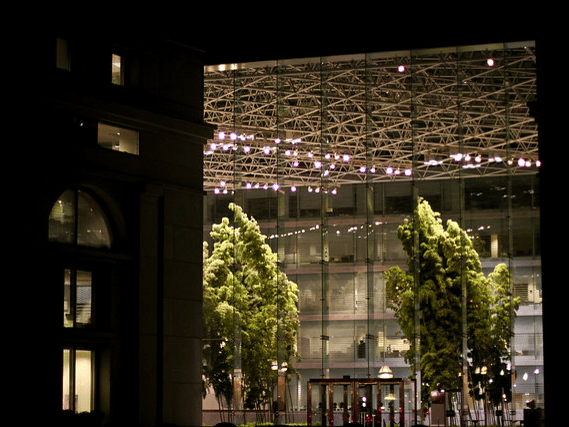
Turn off or shade lobby, atrium, and greenhouse lights, particularly in spaces with vegetation behind glass.
3. Turn off outdoor lighting fixtures
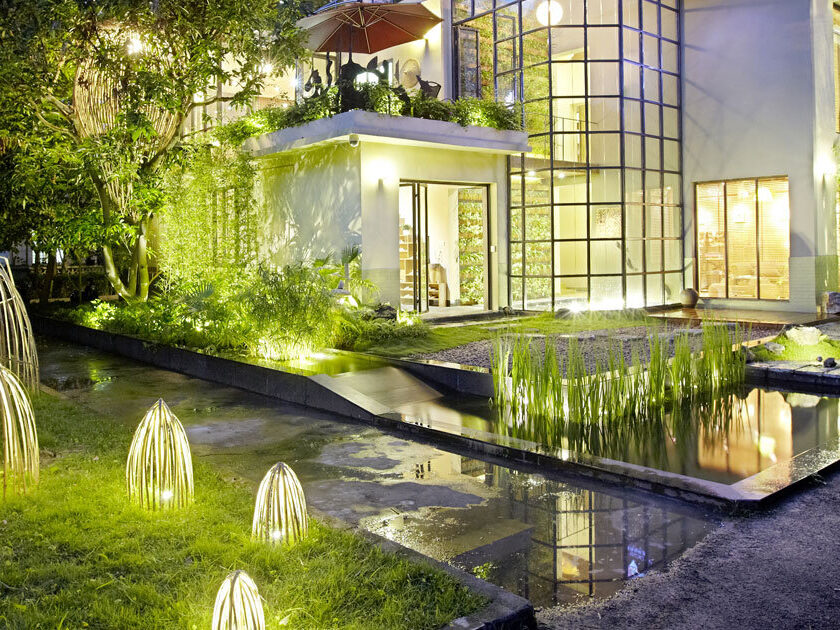
Turn off landscape and outdoor lighting. Ensure that fixtures that must stay on are aimed downward and shielded.
4. Use internal shades to dim light
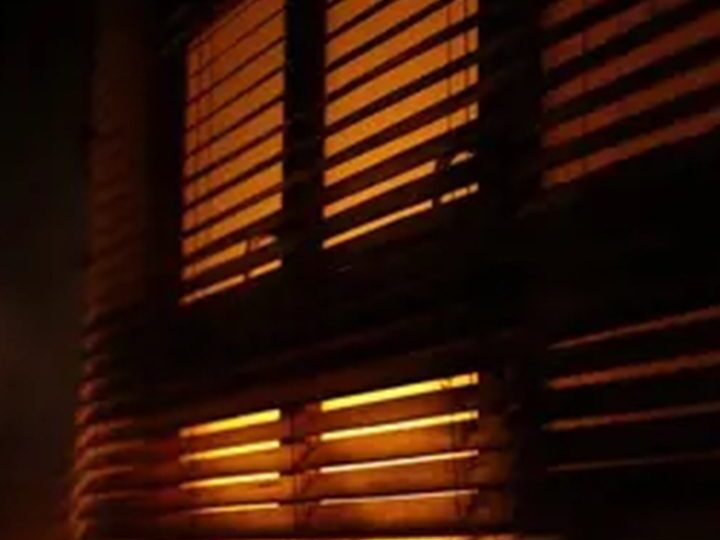
Draw blinds, curtains, or shades in all lighted areas and rooms possible to prevent light escaping.
5. Use sensor-controlled lights
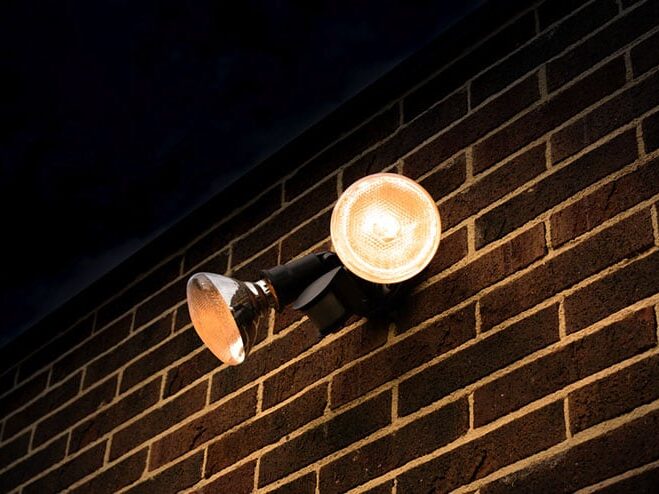
Install motion sensors or timed lighting control systems to control and minimize light use.
6. Choose warmer, less bright light bulbs
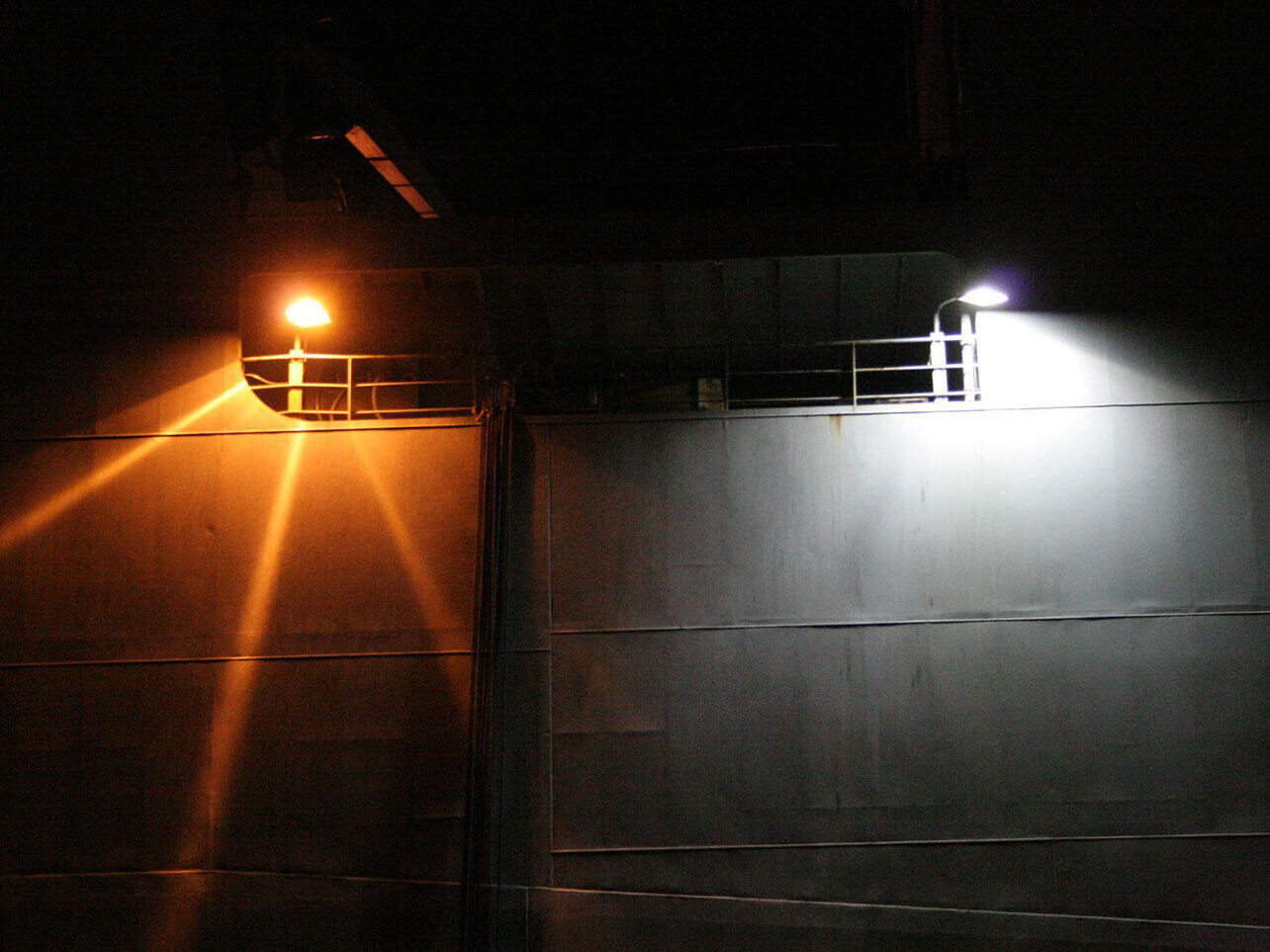
Use warm-colored lightbulbs with lower lumens. Aim for a color temperature of around 2100-2200 Kelvin.
Guidelines for Lights You Cannot Turn Out
- Aim lights down.
- Use lighting shields to direct light downwards
- Avoid light shining into the sky or trees.
- Close blinds and shades to keep internal light inside.
- Use motion detectors and sensors to reduce lighting use.
- Use warm light sources (≤ 3000 Kelvin)
- Share your support for the cause via social media and with local media.
- Educate and encourage others to reduce their artificial light at night.
Guidelines for Commercial Buildings
Extinguish or Dim
- Exterior and decorative lighting (i.e. spotlights, logos, clock faces, greenhouses, and antenna lighting)
- Lobby/atrium lighting
- Lighting in perimeter rooms on all levels of the building.
Avoid
- Floodlights
- Illuminating interior plants or fountains
- Unoccupied floors
- Scheduling cleaning crews after dark
- Blue-rich white light emissions (lighting with a color temperature of over 3000 Kelvin).
Use
- Desk lamps or task lighting rather than overhead lights
- Blinking lighting in place of continuously burning lights
- Warm light sources (less than 3000 Kelvin) for outdoor lighting.
Additional ideas:
- Motivate and inform your staff and tenants
- Explain that adopting this new practice is a win-win; saving both birds and money.
- Clearly identify what lights need to be turned out, and how to go about shutting them off.
- Designate staff member(s) responsible for turning off lights and make sure they know when to do so.
- Publish your commitment and your success to your community
- In your establishment: Place messaging around your establishment to help your tenants understand why you decided to turn lights out during migration season.
- On social media and your website: Share your success and influence others to make a positive change for wildlife and energy efficiency
- In the press: Tell a reporter! As a leading establishment in your community, your commitment to go lights out to save birds is newsworthy. Push the news out to local and regional media channels.
Global Light Pollution Map
Explore this mapping application of light pollution data to get a better understanding of light pollution metrics in your area.
Created by Jurij Stare to display light pollution data. This application primarily shows VIIRS/DMSP data but also shows SQM/SQC measurements, sky brightness, almost realtime clouds, aurora prediction and IAU observatories features.
Lights Out Texas Documentary Film
This film documenting the Lights Out effort in Texas was released in 2023. It is free to watch and distribute and has been showcased at many different events and museums across the United States. For more information, or to arrange a screening for an event, please reach out to chang@cornell.edu.
Read more in the Lights Out section of our FAQ page.
Scientific Team
BirdCast is made possible by the participating scientists at the below institutions, and many other contributors.