


Regional Migration Analysis: 1-8 September 2017
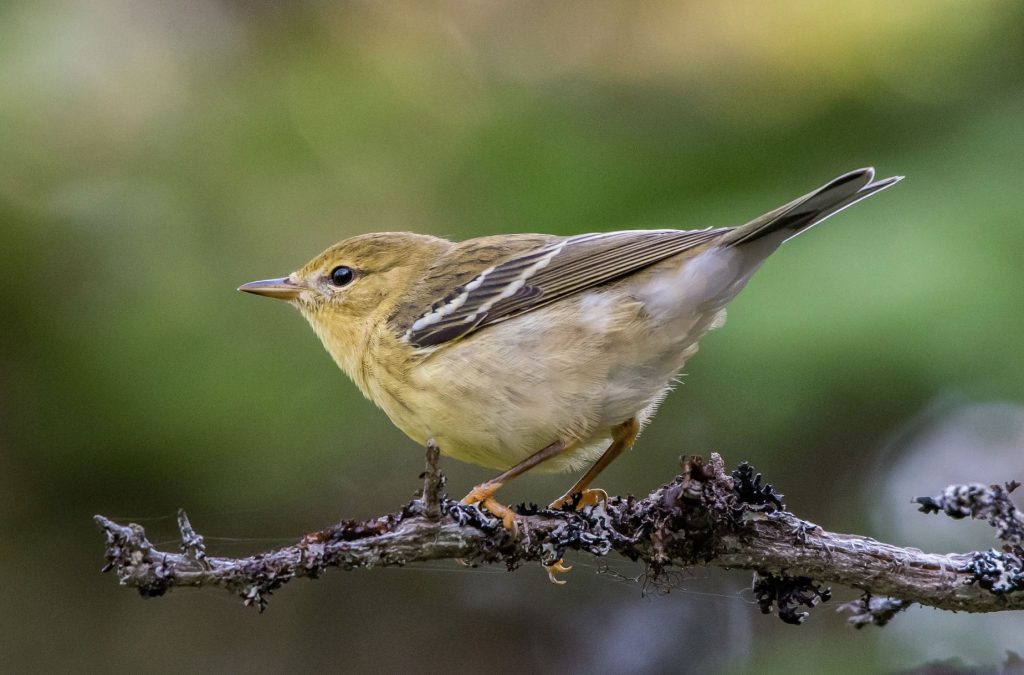
Blackpoll Warbler. Frank King/Macaulay Library. eBird S39030232.
Continental Summary
Light to locally heavy flights, particularly in the first half of the period, occurred in the West and featured Common Loon, Black-bellied Plover, Say’s Phoebe, Swainson’s Thrush, White-crowned Sparrow, and Lincoln’s Sparrow, while numerous moderate to heavy flights featuring Gray-cheeked Thrush, Swainson’s Thrush, Blackpoll Warbler, Tennessee Warbler, Orange-crowned Warbler, Wilson’s Warbler, and Lincoln’s Sparrow were the norm across the East following the passages of a significant frontal boundary.
Curious what birds will move next? Check out our forecast.
[animation name=”analysis-1-8-september-2017″]
Need a review of our definitions for regions, species on the move, and migration amounts? Please visit this link.
Quick Links to Regions
Upper Midwest and Northeast |
Gulf Coast and Southeast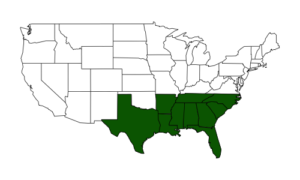 |
Great Plains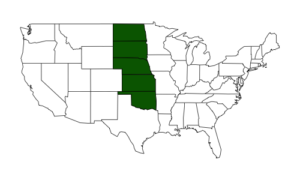 |
West |
Upper Midwest and Northeast
A disturbance passing at the beginning of the period left a complex distribution of light to heavy flights across the region. But a more organized frontal passage on Monday brought favorable migration conditions in its wake, first to the Upper Midwest where moderate to heavy flights followed. As this front pushed to the east on Tuesday, the distribution of these flights shifted into the Ohio River valley and were apparent in many areas to the west of the Appalachians. By Wednesday and Thursday as the front pushed to the coast, widespread moderate and locally heavy flights continued in some areas west of the Appalachians, mostly on Wednesday night; additional local moderate and heavy flights were scattered to the east of the Appalachians in the coastal plain as well, including flights occurring in precipitation associated with the boundary of the front in New England on Wednesday night and then along the immediate coast on Thursday night.
Top Movers
[expand title=”Increasing” tag=”h3″]
[table sort=”,desc” tablesorter=”true”]
Species,Increase from Last Week[attr style=”color:green”],% of Checklists Reporting
Swainson’s Thrush,179%,6.9
Blackpoll Warbler,151%,5
Magnolia Warbler,61%,13.7
Palm Warbler,247%,2.5
Nashville Warbler,70%,5.8
Bay-breasted Warbler,97%,4.6
Tennessee Warbler,60%,8.4
Northern Parula,65%,4.7
American Redstart,26%,20.6
Gray-cheeked Thrush,465%,1
Black-throated Green Warbler,48%,6.9
Philadelphia Vireo,91%,2.1
Cape May Warbler,62%,3.7
Warbling Vireo,31%,8.9
Canada Goose,16%,29.5
Wilson’s Warbler,38%,3.7
White-eyed Vireo,40%,3.4
Black-throated Blue Warbler,51%,2.8
Common Yellowthroat,14%,18.3
Red-bellied Woodpecker,11%,25.5
Golden-winged Warbler,67%,1.6
Blue Jay,7%,49.9
Scarlet Tanager,30%,3.7
Lincoln’s Sparrow,136%,0.5
Merlin,36%,2.7
[/table]
[/expand]
[expand title=”Decreasing” tag=”h3″]
[table sort=”,asc” tablesorter=”true”]
Species,Decrease from Last Week[attr style=”color:red”],% of Checklists Reporting
Eastern Kingbird,-54%,3.8
Baltimore Oriole,-50%,4.3
Least Sandpiper,-32%,7.6
Barn Swallow,-26%,17.2
Spotted Sandpiper,-28%,5.4
Semipalmated Sandpiper,-23%,7.9
Solitary Sandpiper,-28%,3.6
Bank Swallow,-47%,1.4
Semipalmated Plover,-19%,8
Common Grackle,-17%,11.6
Mourning Dove,-10%,43
Baird’s Sandpiper,-49%,1
Killdeer,-13%,14.8
Lesser Yellowlegs,-16%,8.2
Yellow-billed Cuckoo,-35%,1.9
Pectoral Sandpiper,-22%,4.1
Purple Martin,-32%,2.1
Canada Warbler,-32%,2.3
Field Sparrow,-25%,3.6
Brown-headed Cowbird,-25%,2.9
Chipping Sparrow,-11%,11.4
Red-winged Blackbird,-11%,10.9
Stilt Sandpiper,-27%,2.4
Blue-gray Gnatcatcher,-13%,9.2
Green Heron,-12%,8.8
[/table]
[/expand]

Baltimore Oriole. James Rieman/Macaulay Library. eBird S38987384.
Gulf Coast and Southeast
Scattered moderate flights were the norm for the first half of the period, as birds moved in marginal migration conditions in advance of an approaching frontal boundary. When this boundary advanced into the region on Wednesday, moderate and heavy flights occurred. These were primarily in northern and central Texas on Tuesday night, followed by more extensive flights from Texas through southern Appalachia and the Florida Panhandle on Wednesday night. By Thursday night the intensity and extent of these flights moderated, with primarily moderate to locally heavy flights in coastal areas, the southern Appalachians, in the Carolinas.
Top Movers
[expand title=”Increasing” tag=”h3″]
[table sort=”,desc” tablesorter=”true”]
Species,Increase from Last Week[attr style=”color:green”],% of Checklists Reporting
White-eyed Vireo,38%,18.5
Baltimore Oriole,131%,4.1
Blue-winged Teal,57%,7.5
Eastern Phoebe,38%,11.9
Wilson’s Warbler,164%,2.9
Blue Jay,21%,47.9
Summer Tanager,38%,9.4
Tennessee Warbler,232%,1.4
Common Yellowthroat,59%,4.5
Magnolia Warbler,140%,1.3
Chimney Swift,22%,14.9
Brown Thrasher,25%,9
Northern Flicker,38%,5.1
Yellow-throated Vireo,41%,4.2
Scissor-tailed Flycatcher,32%,5.7
Yellow-breasted Chat,75%,1.6
Northern Shoveler,59%,1.8
Belted Kingfisher,20%,12.5
Blue-gray Gnatcatcher,17%,25.1
American Crow,14%,33.8
Pine Warbler,23%,8.1
Northern Mockingbird,13%,36.2
[/table]
[/expand]
[expand title=”Decreasing” tag=”h3″]
[table sort=”,asc” tablesorter=”true”]
Species,Decrease from Last Week[attr style=”color:red”],% of Checklists Reporting
Magnificent Frigatebird,-79%,0.5
Purple Martin,-47%,2.4
Least Tern,-50%,1.6
Mississippi Kite,-39%,2.4
Laughing Gull,-16%,11.6
Black Tern,-28%,3.1
Wilson’s Plover,-39%,0.9
Osprey,-11%,12.5
Black Skimmer,-19%,2.6
Tricolored Heron,-13%,7.5
Neotropic Cormorant,-22%,2.1
Anhinga,-12%,7.8
White Ibis,-11%,11.5
Eastern Kingbird,-13%,6.6
Say’s Phoebe,-76%,0.1
Willet,-13%,5.6
Sanderling,-13%,4.8
Cattle Egret,-11%,7
[/table]
[/expand]
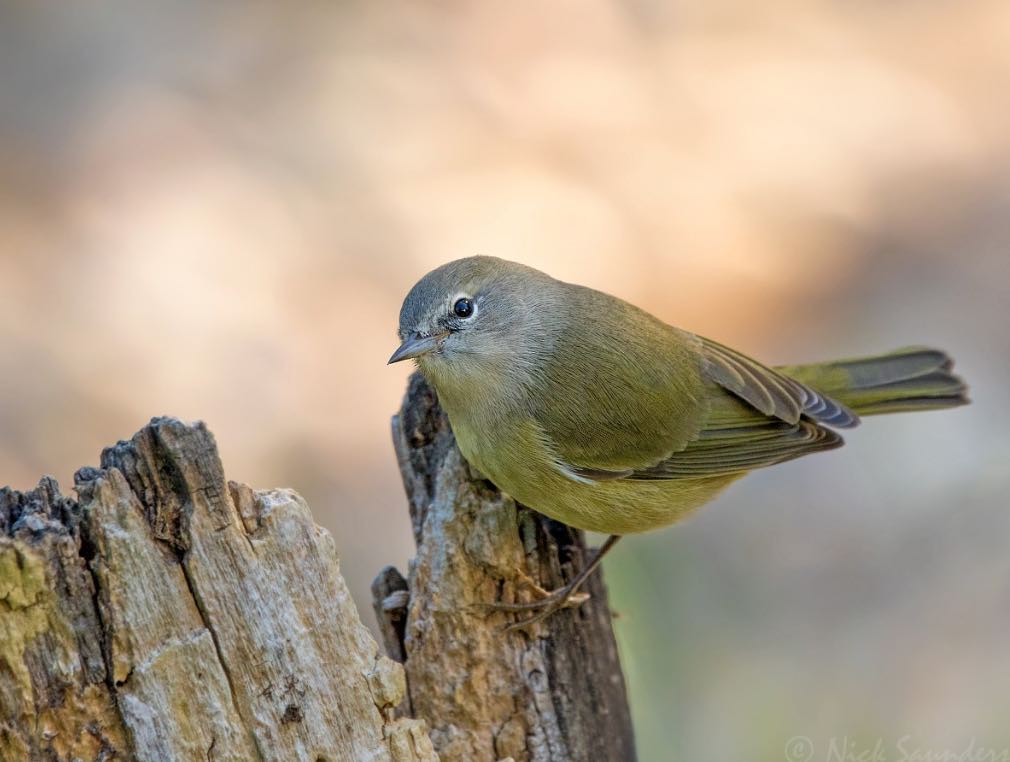
Orange-crowned Warbler. Nick Saunders/Macaulay Library. eBird S39013337.
Great Plains
Moderate to locally heavy flights gradually spread from the north across the Plains for the first half of the period, reaching their greatest extent on Tuesday. By Tuesday night, most of the action was occurring in the southern Plains, where moderate to locally heavy flights occurred while more northern locations saw mostly light movements. As less favorable wind conditions spread through the region, and the effects of the earlier passage of the frontal boundary faded, Wednesday and Thursday nights saw markedly lower migration traffic across the entire region.
Top Movers
[expand title=”Increasing” tag=”h3″]
[table sort=”,desc” tablesorter=”true”]
Species,Increase from Last Week[attr style=”color:green”],% of Checklists Reporting
Orange-crowned Warbler,467%,5.6
Lincoln’s Sparrow,315%,4.5
Swainson’s Thrush,169%,5.5
Nashville Warbler,121%,6.9
Pied-billed Grebe,66%,11.2
Franklin’s Gull,74%,10.2
Tufted Titmouse,57%,14
Yellow-rumped Warbler,286%,3
Clay-colored Sparrow,104%,5.2
House Wren,52%,14
Osprey,140%,4.1
Philadelphia Vireo,163%,2.9
Hairy Woodpecker,53%,11.8
Blue-headed Vireo,111%,4.2
Canada Goose,40%,24.6
White-throated Sparrow,258%,2
Yellow Warbler,39%,13.9
Purple Finch,210%,2
White-breasted Nuthatch,32%,19.8
Northern Parula,90%,3.6
Blackpoll Warbler,190%,1.8
Cedar Waxwing,38%,11.9
Pine Siskin,74%,3.6
American Wigeon,199%,1.8
Northern Flicker,30%,17.4
[/table]
[/expand]
[expand title=”Decreasing” tag=”h3″]
[table sort=”,asc” tablesorter=”true”]
Species,Decrease from Last Week[attr style=”color:red”],% of Checklists Reporting
Mississippi Kite,-62%,4.7
Baltimore Oriole,-43%,8.3
Bald Eagle,-50%,3.3
Northern Mockingbird,-44%,6.1
Dickcissel,-49%,2.2
Eastern Kingbird,-32%,11.9
Bank Swallow,-52%,1.8
Eastern Meadowlark,-46%,1.8
Spotted Sandpiper,-34%,3.5
Barn Swallow,-17%,27.3
Cliff Swallow,-34%,3.5
Green Heron,-33%,3.2
Grasshopper Sparrow,-90%,0.1
Yellow-headed Blackbird,-34%,2.7
Black Tern,-47%,1.1
Field Sparrow,-29%,3.1
American Avocet,-30%,3
Brown-headed Cowbird,-25%,3.6
Red-winged Blackbird,-14%,11.5
White-winged Dove,-42%,0.8
Blue Grosbeak,-36%,1.6
Snowy Egret,-21%,5.4
Sedge Wren,-39%,1.3

Lincoln’s Sparrow. Good Smith/Macaulay Library. eBird S39037644.
West
The region experienced light to moderate flights in many areas to kickoff the weekend, particularly in the vicinity of the Rockies where intensities were higher. These flights continued through the beginning of the work week, but a disturbance moving through the region and associated scattered precipitation slowed and stopped migration traffic. This was particularly true in the western half of the region, although the entirety of the West saw significantly lower migration intensities in flights during the second half of the period. Some locally more intense flights persisted to the end of the work week, for example in the Central Valley of California.
Top Movers
[expand title=”Increasing” tag=”h3″]
[table sort=”,desc” tablesorter=”true”]
Species,Increase from Last Week[attr style=”color:green”],% of Checklists Reporting
White-crowned Sparrow,45%,10.1
Lincoln’s Sparrow,89%,3.1
Orange-crowned Warbler,31%,11
Northern Mockingbird,36%,9.2
Savannah Sparrow,36%,8.3
Western Tanager,29%,11.6
Black Phoebe,23%,21.8
Say’s Phoebe,38%,5.8
Common Yellowthroat,23%,12.5
Wilson’s Warbler,22%,16.3
Swainson’s Thrush,37%,3
Song Sparrow,19%,24.7
Common Loon,57%,1.8
House Wren,21%,12.9
Brown Pelican,28%,7.3
Warbling Vireo,27%,6.7
Black-bellied Plover,38%,2.7
Ruby-crowned Kinglet,37%,2.5
Belted Kingfisher,18%,12.5
Marbled Godwit,27%,3.7
Willow Flycatcher,24%,3.7
[/table]
[/expand]
[expand title=”Decreasing” tag=”h3″]
[table sort=”,asc” tablesorter=”true”]
Species,Decrease from Last Week[attr style=”color:red”],% of Checklists Reporting
Eastern Kingbird,-47%,1
Common Nighthawk,-45%,0.9
Red-necked Phalarope,-30%,1.9
Lesser Yellowlegs,-18%,3.3
Rufous Hummingbird,-14%,4.7
Northern Rough-winged Swallow,-21%,2.2
Black-headed Grosbeak,-13%,5.4
Mountain Chickadee,-10%,7.2
Brown Creeper,-14%,3.9
Swainson’s Hawk,-12%,3.9
Purple Martin,-21%,1.2
Osprey,-7%,9.1
Bullock’s Oriole,-20%,1.3
Cliff Swallow,-14%,2.6
Violet-green Swallow,-12%,3.8
Olive-sided Flycatcher,-17%,1.5
Barn Swallow,-3%,23.1
American White Pelican,-11%,4.2
Ash-throated Flycatcher,-22%,0.8
Western Kingbird,-7%,6
[/table]
[/expand]
–––––––––––––––––––––––––––––––––––
Farnsworth and Van Doren
Scientific Team
BirdCast is made possible by the participating scientists at the below institutions, and many other contributors.