


15-22 May 2015 Regional Migration Analysis
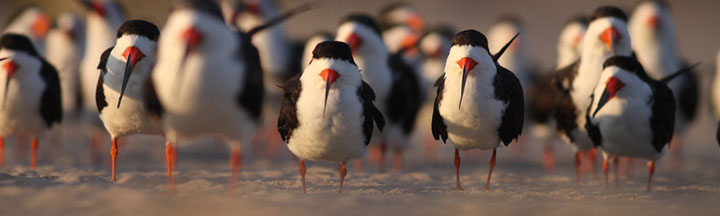
Black Skimmers © Ian Davies
Continental Summary
A reasonable quiet late migration season week in the West featured movements of Black Tern, Olive-sided Flycatcher, Swainson’s Thrush, Gray Catbird, Northern Waterthrush, American Redstart, particularly in the Desert Southwest and northern Rockies, while moderate to heavy flights in the East early in the week, featuring White-rumped Sandpiper, Sanderling, Black Skimmer, Eastern Wood-Pewee, Marsh Wren, Saltmarsh Sparrow, and Orchard Oriole, subsided as a more early spring like air mass arrived.
Curious what birds will move next? Check out our forecast.
[animation name=”15-22-may-2015-analysis”]
Need a review of our definitions for regions, species on the move, and migration amounts? Please visit this link.
Quick Links to Regions
Upper Midwest and Northeast |
Gulf Coast and Southeast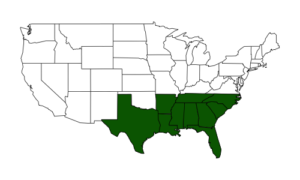 |
Great Plains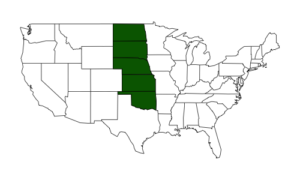 |
West |
Upper Midwest and Northeast
A nice pulse of moderate to heavy movements kicked off the weekend. Northern New England continued to experience a peak spring flight to kick off the work week, but by this time the rest of the region was already feeling the effects of an arriving and substantial low pressure system. Other than scattered light to moderate movements around the region for the following nights, most of the region was quiet as migrants stayed in the stopover locations. One part of the region did see a burst of moderate to locally heavy activity – the central and upper Mississippi River valley.
Top Movers
[expand title=”Increasing” tag=”h3″]
[table sort=”,desc” tablesorter=”true”]
Species,Increase from Last Week[attr style=”color:green”],% of Checklists Reporting
Cedar Waxwing,43%,16.1
Semipalmated Sandpiper,21%,4.5
Semipalmated Plover,21%,6.1
Cliff Swallow,33%,4.6
Ruddy Turnstone,17%,2.5
Eastern Wood-Pewee,9%,25.9
Black Skimmer,52%,0.8
Bank Swallow,24%,4.6
Sedge Wren,36%,0.9
Red-eyed Vireo,10%,38.7
Sanderling,24%,1.3
Seaside Sparrow,42%,0.8
Yellow-billed Cuckoo,6%,7.2
Saltmarsh Sparrow,56%,0.3
Willet,14%,3.5
Dunlin,7%,5.4
Least Tern,8%,2.3
Short-billed Dowitcher,4%,3.4
Black Guillemot,50%,0.2
[/table]
[/expand]
[expand title=”Decreasing” tag=”h3″]
[table sort=”,asc” tablesorter=”true”]
Species,Decrease from Last Week[attr style=”color:red”],% of Checklists Reporting
White-crowned Sparrow,-70%,2.8
Palm Warbler,-73%,2
Yellow-rumped Warbler,-57%,6.9
Cape May Warbler,-74%,1.3
White-throated Sparrow,-53%,4.5
Black-and-white Warbler,-41%,11.1
Solitary Sandpiper,-63%,1.8
Nashville Warbler,-43%,5
Northern Parula,-37%,10.9
Black-throated Green Warbler,-37%,9.1
Black-throated Blue Warbler,-43%,6.3
Orange-crowned Warbler,-67%,0.7
Northern Waterthrush,-37%,5.9
Blackburnian Warbler,-38%,5.9
Lincoln’s Sparrow,-47%,2
Tennessee Warbler,-36%,8.1
Lesser Yellowlegs,-38%,2.2
Ruby-crowned Kinglet,-52%,0.9
Blue-headed Vireo,-40%,3.2
Rose-breasted Grosbeak,-19%,17.9
Scarlet Tanager,-25%,15.7
Greater Yellowlegs,-30%,2.7
Prothonotary Warbler,-32%,2.7
[/table]
[/expand]
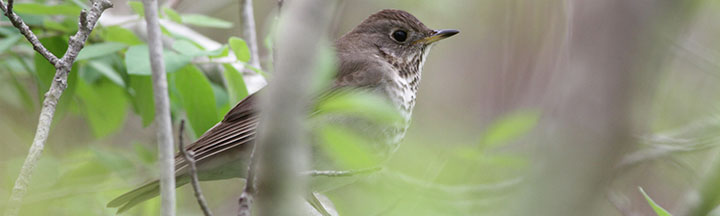
Gray-cheeked (or Bicknell’s?) Thrush © Ian Davies
Gulf Coast and Southeast
The later date of the migration season brought a typical late season pattern to the region – generally larger flights primarily in the western portions of the region, and smaller flights to the east of the Mississippi River. Texas and the western Gulf coast saw moderate flights for much of the earlier part of the period, at least before a colder air mass arrived to shut down much of the system away from the far southern reaches of the western Gulf Coast. Most of the southeast saw much lighter movements, with the exception of some moderate flights early in the week over parts of Florida.
Top Movers
[expand title=”Increasing” tag=”h3″]
No species showed significant increases this week.
[/expand]
[expand title=”Decreasing” tag=”h3″]
[table sort=”,asc” tablesorter=”true”]
Species,Decrease from Last Week[attr style=”color:red”],% of Checklists Reporting
Magnolia Warbler,-75%,0.8
Wilson’s Warbler,-85%,0.3
Swainson’s Thrush,-72%,1
American Redstart,-54%,4.4
Tennessee Warbler,-91%,0.1
Solitary Sandpiper,-84%,0.2
Blackpoll Warbler,-66%,0.8
Yellow Warbler,-53%,2.5
Chestnut-sided Warbler,-56%,1.6
Lesser Yellowlegs,-73%,0.4
Least Flycatcher,-74%,0.5
Bay-breasted Warbler,-91%,0.1
Northern Waterthrush,-79%,0.3
Spotted Sandpiper,-35%,4.3
Baltimore Oriole,-69%,0.6
Least Sandpiper,-42%,2.3
Black-throated Blue Warbler,-49%,1.3
Gray Catbird,-32%,7.3
Rose-breasted Grosbeak,-62%,0.8
Olive-sided Flycatcher,-74%,0.2
Gray-cheeked Thrush,-81%,0.1
Pine Siskin,-71%,0.3
Cedar Waxwing,-24%,6.8
Black-and-white Warbler,-29%,4.1
Bobolink,-49%,0.7
[/table]
[/expand]

Sanderling © Ian Davies
Great Plains
A passing frontal boundary late in the weekend allowed for moderate to heavy flights on Friday and Saturday nights to evade its unfavorable winds and precipitation. In the wake of this system’s passage, another disturbance followed quickly; however, its swath was far enough to the south that the border states saw moderate to heavy flights persist into Tuesday night. As high pressure built in, locally light to moderate flights peppered the northern and central Plains, and as high pressure drifted east, more favorable conditions brought a return of moderate to locally heavy flights across the region for Thursday night.
Top Movers
[expand title=”Increasing” tag=”h3″]
[table sort=”,desc” tablesorter=”true”]
Species,Increase from Last Week[attr style=”color:green”],% of Checklists Reporting
Orchard Oriole,60%,24.8
Gray Catbird,48%,32.1
Yellow-billed Cuckoo,40%,11.1
Common Yellowthroat,26%,24.1
Cliff Swallow,24%,27.8
Bank Swallow,38%,9.5
Eastern Wood-Pewee,23%,16.3
Bobolink,34%,8.9
Red-eyed Vireo,22%,22.8
Marsh Wren,46%,4.3
Tennessee Warbler,18%,21.5
House Wren,19%,29.5
Spotted Sandpiper,18%,20.4
Dickcissel,28%,14.1
Baltimore Oriole,19%,40.4
White-rumped Sandpiper,24%,7.1
Sanderling,44%,2.7
[/table]
[/expand]
[expand title=”Decreasing” tag=”h3″]
[table sort=”,asc” tablesorter=”true”]
Species,Decrease from Last Week[attr style=”color:red”],% of Checklists Reporting
White-crowned Sparrow,-68%,3.8
Lincoln’s Sparrow,-54%,3.7
Greater Yellowlegs,-94%,0.1
Harris’s Sparrow,-52%,4.5
Solitary Sandpiper,-66%,1
Yellow-rumped Warbler,-28%,13.6
Lesser Yellowlegs,-45%,2
Long-billed Dowitcher,-45%,1.9
Pectoral Sandpiper,-51%,1.2
White-throated Sparrow,-25%,7.3
Orange-crowned Warbler,-19%,11.1
Savannah Sparrow,-30%,3.3
Baird’s Sandpiper,-40%,1.9
Blue-winged Teal,-15%,18
Ring-necked Duck,-62%,0.5
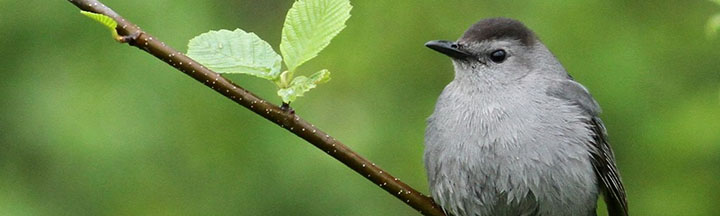
Gray Catbird © Ian Davies
West
Scattered precipitation across the region kept late season migrants grounded in many areas for the weekend. Scattered light and isolated moderate movements occurred in California and portions of the Desert Southwest. A highlight in terms of intensity was the moderate flight over Montana on Monday and Tuesday nights; perhaps the moderate flights in the southern Rockies were a close second on Wednesday night. To end the period, isolated light movements in California, Montana, and Arizona offered the only excitement other than precipitation (which was certainly exciting for many areas).
Top Movers
[expand title=”Increasing” tag=”h3″]
[table sort=”,desc” tablesorter=”true”]
Species,Increase from Last Week[attr style=”color:green”],% of Checklists Reporting
Gray Catbird,248%,4.4
Swainson’s Thrush,62%,11.9
Western Wood-Pewee,38%,19.1
Northern Waterthrush,192%,1.7
Cedar Waxwing,21%,10.2
Dusky Flycatcher,25%,5.2
Olive-sided Flycatcher,23%,5.7
Western Tanager,18%,21.5
Yellow Warbler,15%,28.8
MacGillivray’s Warbler,20%,5.8
American Redstart,106%,0.9
Blue Grosbeak,20%,3.7
Black Tern,35%,1.8
Bullock’s Oriole,12%,18.3
Least Flycatcher,39%,1.3
Cliff Swallow,10%,20.1
Warbling Vireo,12%,14.7
Common Yellowthroat,9%,15
Black-headed Grosbeak,8%,25.6
[/table]
[/expand]
[expand title=”Decreasing” tag=”h3″]
[table sort=”,asc” tablesorter=”true”]
Species,Decrease from Last Week[attr style=”color:red”],% of Checklists Reporting
Long-billed Dowitcher,-71%,0.5
Hermit Warbler,-44%,1.2
Black-throated Gray Warbler,-29%,2.7
Least Sandpiper,-66%,0.3
Western Sandpiper,-56%,0.4
Dunlin,-54%,0.4
Golden-crowned Sparrow,-85%,0.1
Townsend’s Warbler,-22%,3.6
Wilson’s Phalarope,-27%,3
Eared Grebe,-20%,3.3
American Wigeon,-22%,2.8
Northern Shoveler,-19%,5.7
Black-bellied Plover,-27%,0.7
[/table]
[/expand]
–––––––––––––––––––––––––––––––––––
Farnsworth and Van Doren
Scientific Team
BirdCast is made possible by the participating scientists at the below institutions, and many other contributors.