


Migration Analysis: 10-17 April 2015
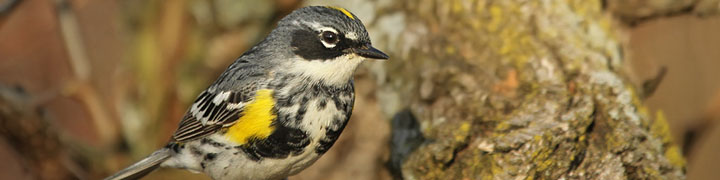
Yellow-rumped Warbler © Ryan Schain
Continental Summary
Migrants were active in the region this week in the West, with several pulses of light to moderate movements featuring Semipalmated Plover, Western Sandpiper, Varied Thrush, Nashville Warbler, Blue Grosbeak, and Western Tanager, while many areas of the East experienced moderate and locally heavy movements at times, particularly on Sunday and Monday nights in advance of a cold front, that featured American Bittern, Ruby-crowned Kinglet, House Wren, Yellow Warbler, White-crowned Sparrow, Rose-breasted Grosbeak, and Baltimore Oriole.
Curious what birds will move next? Check out our forecast.
[animation name=”10-17-april-2015-analysis”]
Need a review of our definitions for regions, species on the move, and migration amounts? Please visit this link.
Quick Links to Regions
Upper Midwest and Northeast |
Gulf Coast and Southeast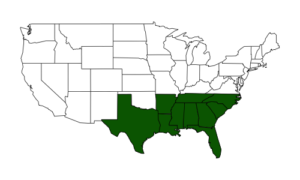 |
Great Plains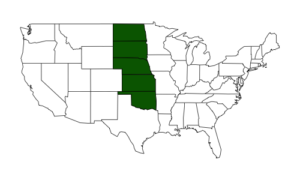 |
West |
Upper Midwest and Northeast
Saturday evening’s moderate flights lit up midwestern radars, followed closely on Sunday by region wide light to moderate movements from the Great Lakes and Mississippi River to the Atlantic Coast. This flurry of activity occurred ahead of a strong cold front, that all but shut down movements in the East away from the immediate coast with its passage on Monday night. The remainder of the period saw much less widespread movements, with local light to moderate flights occurring in the western Great Lakes, Mississippi and Ohio River valleys, and New England from Tuesday through the end of the week.
Top Movers
[expand title=”Increasing” tag=”h3″]
[table sort=”,desc” tablesorter=”true”]
Species,Increase from Last Week[attr style=”color:green”],% of Checklists Reporting
Ruby-crowned Kinglet,129%,19.8
Chipping Sparrow,72%,25.4
Yellow-rumped Warbler,76%,13.3
House Wren,1621%,3
Brown Thrasher,57%,10.2
Eastern Towhee,48%,16
Swamp Sparrow,56%,9.6
White-throated Sparrow,36%,25.8
American Goldfinch,27%,37.9
Northern Flicker,29%,34.2
Brown-headed Cowbird,33%,30.4
Tree Swallow,32%,32
Purple Finch,56%,6.1
Black-capped Chickadee,22%,36.8
Pine Warbler,48%,8.1
Savannah Sparrow,62%,4.4
Field Sparrow,35%,12.3
Hermit Thrush,24%,8.1
Downy Woodpecker,13%,38.7
Red-bellied Woodpecker,14%,32.6
Snowy Egret,54%,2.8
American Bittern,105%,0.9
Greater Yellowlegs,40%,4.9
Yellow-bellied Sapsucker,30%,9.3
[/table]
[/expand]
[expand title=”Decreasing” tag=”h3″]
[table sort=”,asc” tablesorter=”true”]
Species,Decrease from Last Week[attr style=”color:red”],% of Checklists Reporting
Fox Sparrow,-54%,3.4
Hooded Merganser,-45%,5.4
Golden-crowned Kinglet,-45%,5.6
Northern Pintail,-58%,0.9
Ring-necked Duck,-32%,9.2
Common Merganser,-38%,6
Tundra Swan,-73%,0.3
American Wigeon,-39%,3.3
American Tree Sparrow,-38%,4.7
Horned Grebe,-36%,4.4
Common Goldeneye,-48%,1.9
American Black Duck,-25%,6.3
Ring-billed Gull,-20%,17.5
Greater White-fronted Goose,-80%,0.1
Dark-eyed Junco,-22%,26.2
Common Redpoll,-65%,0.5
Green-winged Teal,-24%,7.9
Canvasback,-49%,1
Snow Goose,-54%,0.5
Redhead,-36%,2.5
Lesser Scaup,-24%,4.9
Common Loon,-28%,5.4
Bufflehead,-18%,12.6
Northern Harrier,-29%,3.2
Lesser Black-backed Gull,-50%,0.3
[/table]
[/expand]

Baltimore Oriole © Ryan Schain
Gulf Coast and Southeast
The diverse array of weather forecast for the region came to pass, bringing moderate and occasional locally heavy flights to many areas over the course of the week. But precipitation shut down movements in many areas and spawned fallouts at various locations along the Gulf coast. Most notably, large numbers of birds were grounded in Alabama and Louisiana early in the period. In the aftermath of these fallouts, a large exodus occurred on Monday night, particularly noticeable from radars in Louisiana. Also of note this week, regular light to moderate flights from Cuba brought migrants to Florida and the southeastern US.
Top Movers
[expand title=”Increasing” tag=”h3″]
[table sort=”,desc” tablesorter=”true”]
Species,Increase from Last Week[attr style=”color:green”],% of Checklists Reporting
Summer Tanager,100%,12.8
Baltimore Oriole,144%,4.7
Indigo Bunting,102%,12.8
Rose-breasted Grosbeak,212%,4.1
Orchard Oriole,82%,8.4
American Redstart,124%,4.8
Blue Grosbeak,128%,4.6
Yellow Warbler,289%,2.6
Painted Bunting,96%,4.9
Black-throated Green Warbler,71%,6
Ovenbird,81%,4.4
Northern Waterthrush,103%,2.9
Nashville Warbler,100%,3.4
Ruby-throated Hummingbird,31%,14.2
Spotted Sandpiper,67%,4.9
Green Heron,31%,10.7
Great Crested Flycatcher,24%,17.2
Gray Catbird,27%,15.6
Purple Gallinule,140%,1.9
Common Yellowthroat,20%,14.1
Western Kingbird,94%,1.6
Solitary Sandpiper,44%,4.2
Yellow-throated Vireo,29%,6.9
Franklin’s Gull,65%,2
Whimbrel,46%,2.2
[/table]
[/expand]
[expand title=”Decreasing” tag=”h3″]
[table sort=”,asc” tablesorter=”true”]
Species,Decrease from Last Week[attr style=”color:red”],% of Checklists Reporting
Dark-eyed Junco,-66%,0.9
Purple Finch,-67%,0.4
Hermit Thrush,-31%,2.4
Turkey Vulture,-19%,24.8
American Kestrel,-42%,2
Yellow-bellied Sapsucker,-50%,0.9
Bonaparte’s Gull,-45%,0.9
Yellow-rumped Warbler,-19%,16.2
Chipping Sparrow,-17%,13.7
American Goldfinch,-17%,12.6
Pied-billed Grebe,-21%,7.8
Ring-billed Gull,-25%,5.4
Double-crested Cormorant,-14%,17
Northern Harrier,-31%,2.1
Bufflehead,-63%,0.4
Winter Wren,-81%,0.1
Northern Flicker,-20%,4.3
Palm Warbler,-14%,7.2
Black Vulture,-13%,17.4
Horned Grebe,-56%,0.3
Ruby-crowned Kinglet,-10%,13.4
Green-winged Teal,-33%,1.3
Pine Siskin,-15%,5.6
[/table]
[/expand]
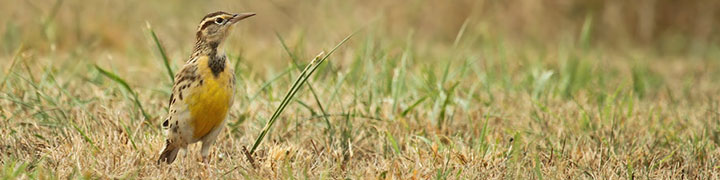
Western Meadowlark © Ryan Schain
Great Plains
Another week of scattered light to moderate movements occurred in the Great Plains, punctuated by the passage of a strong frontal boundary on Sunday night. Most intense of these flights were the moderate movements in the northern Plains on Friday, Saturday, and Tuesday nights. Although slightly more regular flights of migrants passed through the central and southern Plains during the period, these were never widespread and often hampered by rain.
Top Movers
[expand title=”Increasing” tag=”h3″]
[table sort=”,desc” tablesorter=”true”]
Species,Increase from Last Week[attr style=”color:green”],% of Checklists Reporting
Western Meadowlark,68%,23.8
White-crowned Sparrow,80%,9.5
Chipping Sparrow,59%,17.7
Savannah Sparrow,50%,11.8
Franklin’s Gull,45%,11.2
Blue-winged Teal,20%,41.7
Hermit Thrush,75%,2.8
Brown-headed Cowbird,21%,31
Great-tailed Grackle,38%,9.1
Yellow-rumped Warbler,23%,14.9
Red-winged Blackbird,20%,51.5
Greater Yellowlegs,26%,11.6
Common Grackle,24%,40.5
Ruby-crowned Kinglet,28%,10
Black Vulture,58%,2.6
American Coot,15%,23.8
Eastern Meadowlark,14%,22
White-throated Sparrow,21%,9.4
[/table]
[/expand]
[expand title=”Decreasing” tag=”h3″]
[table sort=”,asc” tablesorter=”true”]
Species,Decrease from Last Week[attr style=”color:red”],% of Checklists Reporting
Dark-eyed Junco,-50%,10.2
American Tree Sparrow,-74%,0.6
Ring-necked Duck,-26%,7.8
Green-winged Teal,-17%,12.2
Common Goldeneye,-49%,1.4
Common Merganser,-63%,0.7
Greater White-fronted Goose,-72%,0.4
Lesser Scaup,-15%,12.6
Bald Eagle,-27%,4.4
Fox Sparrow,-43%,1.2
Herring Gull,-48%,1.2
Bufflehead,-16%,7.5
Red-breasted Merganser,-49%,0.5
Red-breasted Nuthatch,-50%,0.3
Gadwall,-9%,15.6
Brown Creeper,-29%,1.1
Rough-legged Hawk,-55%,0.3
Snow Goose,-18%,2.3
Northern Shrike,-78%,0
[/table]
[/expand]
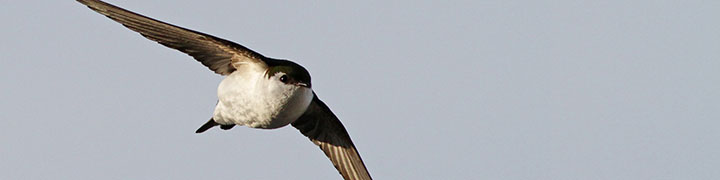
Violet-green Swallow © Ian Davies
West
California and the Desert Southwest once again hosted the most extensive and intense migration activity to begin the period. These flights were light to moderate in most cases, but locally heavy at times, particularly on Tuesday night when they extended substantially farther north along the Pacific Coast. The second half of the week was much less extensive, with locally light to moderate activity continuing in the Desert Southwest on Tuesday night and California on Thursday night.
Top Movers
[expand title=”Increasing” tag=”h3″]
[table sort=”,desc” tablesorter=”true”]
Species,Increase from Last Week[attr style=”color:green”],% of Checklists Reporting
Barn Swallow,53%,15
Black-throated Gray Warbler,45%,5.8
Ash-throated Flycatcher,38%,7.4
Nashville Warbler,69%,2.9
Lazuli Bunting,112%,1.8
Brown-headed Cowbird,36%,7.7
Violet-green Swallow,32%,13.8
Western Sandpiper,62%,2.5
Wilson’s Warbler,32%,7
Cliff Swallow,29%,10.4
Yellow-headed Blackbird,40%,4.6
Western Tanager,183%,1.3
Semipalmated Plover,101%,1.4
Vesper Sparrow,52%,2.2
Swainson’s Hawk,19%,5.2
Tree Swallow,16%,18.8
Blue Grosbeak,863%,0.5
Osprey,20%,7.9
Common Grackle,23%,4.6
Caspian Tern,24%,4
Cassin’s Vireo,38%,2
Least Sandpiper,20%,4.4
Wilson’s Snipe,32%,2.9
Black-chinned Hummingbird,18%,6.3
American Pipit,23%,3.2
[/table]
[/expand]
[expand title=”Decreasing” tag=”h3″]
[table sort=”,asc” tablesorter=”true”]
Species,Decrease from Last Week[attr style=”color:red”],% of Checklists Reporting
Common Goldeneye,-33%,2.3
American Wigeon,-15%,8.86
Varied Thrush,-27%,1.6
Ring-necked Duck,-11%,7
Broad-billed Hummingbird,-23%,1.5
Common Merganser,-13%,4.9
Hooded Merganser,-23%,1.9
Northern Pintail,-16%,3.5
Horned Grebe,-14%,2.7
Snow Goose,-25%,0.6
Canvasback,-16%,1.7
[/table]
[/expand]
–––––––––––––––––––––––––––––––––––
Farnsworth and Van Doren
Scientific Team
BirdCast is made possible by the participating scientists at the below institutions, and many other contributors.