


Regional Migration Analysis: 17-24 March 2017

Common Loon. Mark Stephenson/Macaulay Library. eBird S34945708.
Continental Summary
The West experienced light to moderate movements early in the period, primarily in the southern reaches of the region, featuring Osprey, Pacific-slope Flycatcher, Western Kingbird, Barn Swallow, Warbling Vireo, and Grace’s Warbler, while the central and southern portions of the East experienced light to moderate flights featuring Great Blue Heron, Osprey, American Golden-Plover, Lesser Yellowlegs, Pectoral Sandpiper, Black-chinned Hummingbird, Scissor-tailed Flycatcher, and Louisiana Waterthrush. The greatest extent of these movements occurred in the West on 17-18 March and in the East on 23-24 March.
Curious what birds will move next? Check out our forecast.
[animation name=”analysis-17-24-march-2017″]
Need a review of our definitions for regions, species on the move, and migration amounts? Please visit this link.
Quick Links to Regions
Upper Midwest and Northeast |
Gulf Coast and Southeast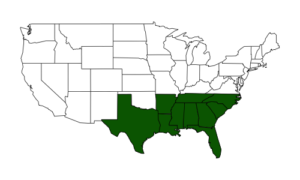 |
Great Plains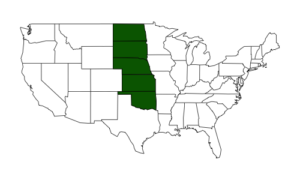 |
West |
Upper Midwest and Northeast
Another late season blast of wintry weather kept migrants grounded for most of the weekend. By Sunday, light to moderate movement returned to the Central Mississippi River valley and portions of the Upper Midwest. However, another pulse of unfavorable conditions kept most movements light and local through much of the remainder of the period. A change arrived on Thursday night, when southerly flow and warmer temperatures spawned more widespread moderate flights in the central and southern portions of the region.
Top Movers
[expand title=”Increasing” tag=”h3″]
[table sort=”,desc” tablesorter=”true”]
Species,Increase from Last Week[attr style=”color:green”],% of Checklists Reporting
Great Blue Heron,36%,14.2
Tree Swallow,48%,5.1
Eastern Phoebe,35%,6.6
Double-crested Cormorant,32%,5
Common Loon,37%,4.8
Osprey,61%,2.5
Wood Duck,22%,11.4
Blue-winged Teal,43%,3.1
Belted Kingfisher,25%,5.7
American Robin,13%,49.6
Lesser Scaup,20%,9
Turkey Vulture,12%,19.9
Pied-billed Grebe,18%,7.3
Horned Grebe,21%,6.2
Hooded Merganser,13%,14.5
Sandhill Crane,24%,5.1
Great Egret,64%,0.9
Common Grackle,11%,29.1
Red-breasted Merganser,17%,8.2
Field Sparrow,26%,2.7
Pectoral Sandpiper,84%,0.6
Brown-headed Cowbird,16%,9.2
Golden-crowned Kinglet,23%,3.4
American Wigeon,15%,7.7
Song Sparrow,8%,37.1
[/table]
[/expand]
[expand title=”Decreasing” tag=”h3″]
[table sort=”,asc” tablesorter=”true”]
Species,Decrease from Last Week[attr style=”color:red”],% of Checklists Reporting
Ross’s Goose,-56%,0.2
White-throated Sparrow,-4%,19
White-crowned Sparrow,-7%,1.7
American Goldfinch,-2%,20.6
American Tree Sparrow,-3%,10.7
Red-breasted Nuthatch,-4%,5.2
Harlequin Duck,-27%,0.2
Barrow’s Goldeneye,-26%,0.1
Greater White-fronted Goose,-7%,1.3
Snow Goose,-5%,2.1
Fox Sparrow,-2%,7.6
Cackling Goose,-2%,0.6
Horned Lark,0%,4
Common Raven,1%,2.4
Downy Woodpecker,0%,31.5
Brant,4%,1.5
Yellow-bellied Sapsucker,3%,1.8
Northern Harrier,3%,3.5
American Black Duck,2%,8.8
Yellow-rumped Warbler,3%,3.1
White-breasted Nuthatch,1%,28.3
[/table]
[/expand]
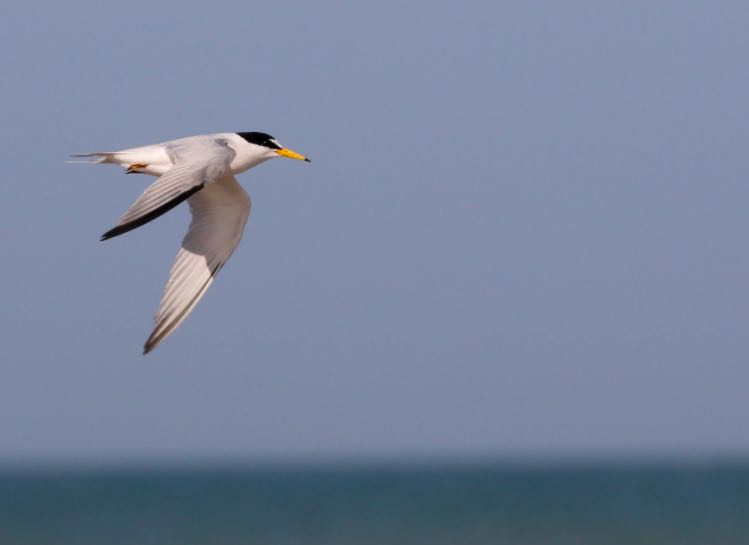
Least Tern. Susan Strasevicz/Macaulay Library. eBird S35347587.
Gulf Coast and Southeast
Light to moderate flights were the norm for the region to begin the period, with a large pulse of migrants departing from central Florida on Friday and smaller but more extensive pulses on Saturday and Sunday primarily west of the Mississippi River. Similarly intense movements occurred for the remainder of the period, reaching their greatest extents on Thursday night. Note, however, that much of Texas did not see significant flights on this night.
Top Movers
[expand title=”Increasing” tag=”h3″]
[table sort=”,desc” tablesorter=”true”]
Species,Increase from Last Week[attr style=”color:green”],% of Checklists Reporting
Black-chinned Hummingbird,70%,2
Ruby-throated Hummingbird,42%,3
Northern Rough-winged Swallow,30%,7
Black-necked Stilt,37%,4.2
Brown-headed Cowbird,21%,11.4
Scissor-tailed Flycatcher,73%,1.5
Red-eyed Vireo,162%,0.6
Louisiana Waterthrush,59%,1.7
Yellow-throated Vireo,58%,1.7
Brown Thrasher,15%,12.5
Swainson’s Hawk,104%,0.6
Eastern Towhee,10%,15.6
Barn Swallow,19%,8.7
Ash-throated Flycatcher,66%,0.7
Hooded Warbler,115%,0.4
Fish Crow,8%,21.3
Black-bellied Whistling-Duck,15%,5.5
Lesser Goldfinch,20%,3.2
House Wren,14%,5.2
Broad-winged Hawk,67%,0.6
Golden-cheeked Warbler,54%,0.7
Lark Sparrow,31%,1.5
White-eyed Vireo,10%,12.7
Least Tern,110%,0.3
[/table]
[/expand]
[expand title=”Decreasing” tag=”h3″]
[table sort=”,asc” tablesorter=”true”]
Species,Decrease from Last Week[attr style=”color:red”],% of Checklists Reporting
Gadwall,-35%,3.5
Ring-necked Duck,-36%,2.7
Ring-billed Gull,-21%,9.2
American White Pelican,-26%,3.7
Orange-crowned Warbler,-18%,4.5
American Wigeon,-30%,1.6
Sandhill Crane,-18%,3.8
Green-winged Teal,-19%,3.7
Yellow-rumped Warbler,-9%,33.6
Bufflehead,-19%,3.4
Yellow-bellied Sapsucker,-15%,4.9
American Kestrel,-12%,8.7
Eastern Phoebe,-9%,19.1
Lesser Scaup,-15%,3
Cooper’s Hawk,-13%,3.8
Northern Pintail,-63%,0.2
Great Egret,-6%,22.7
Pied-billed Grebe,-7%,14.9
Bald Eagle,-9%,7.5
Forster’s Tern,-10%,5.4
[/table]
[/expand]
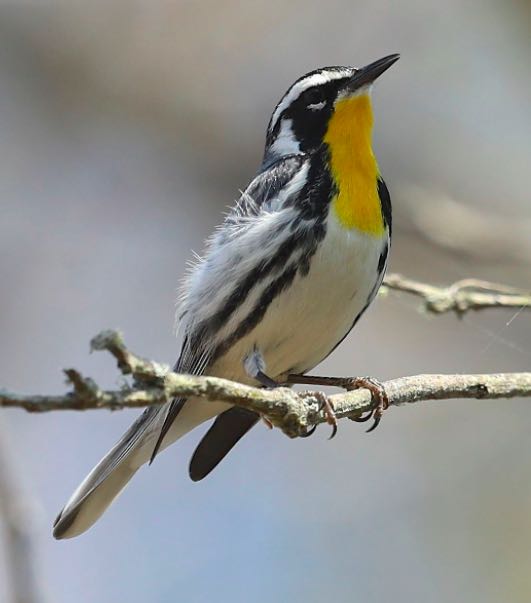
Yellow-throated Warbler. Charles Lyon/Macaulay Library. eBird S35407427.
Great Plains
Scattered light to moderate movements occurred in the central and southern Plains mid to late weekend. This was, perhaps, the highlight of the first half of the period, as unfavorable conditions kept most migrants grounded on other nights. As low pressure advanced through the region on Thursday, southerly flow in its path spawned light to moderate flights,; but these were localized in Oklahoma and Kansas, primarily in the eastern and central portions of these states.
Top Movers
[expand title=”Increasing” tag=”h3″]
[table sort=”,desc” tablesorter=”true”]
Species,Increase from Last Week[attr style=”color:green”],% of Checklists Reporting
Lesser Yellowlegs,126%,6.4
Turkey Vulture,81%,20.9
American Golden-Plover,179%,3.6
Pectoral Sandpiper,152%,4.4
Wilson’s Snipe,81%,6.9
Blue-winged Teal,63%,22
Greater Yellowlegs,70%,8.6
Fish Crow,104%,3.9
Common Grackle,50%,24.3
Baird’s Sandpiper,110%,2.2
Vesper Sparrow,112%,2.1
Great Egret,105%,2.4
Franklin’s Gull,84%,2.8
Least Sandpiper,78%,3.5
Cinnamon Teal,96%,2.4
Double-crested Cormorant,26%,12.5
Field Sparrow,47%,5.7
Brown-headed Cowbird,29%,9.5
American Avocet,110%,0.8
Tree Swallow,52%,4.3
Western Meadowlark,21%,17.1
Savannah Sparrow,36%,7.2
Yellow-throated Warbler,188%,0.4
Killdeer,14%,33.9
[/table]
[/expand]
[expand title=”Decreasing” tag=”h3″]
[table sort=”,asc” tablesorter=”true”]
Species,Decrease from Last Week[attr style=”color:red”],% of Checklists Reporting
Common Goldeneye,-25%,6.2
Snow Goose,-21%,8.4
White-throated Sparrow,-25%,4.8
American Goldfinch,-18%,13.1
Canvasback,-23%,4
Rough-legged Hawk,-51%,1.1
Bufflehead,-13%,13
Redhead,-13%,9.5
Ross’s Goose,-26%,2
Sandhill Crane,-18%,5.6
Cackling Goose,-21%,4
White-crowned Sparrow,-14%,6.4
White-breasted Nuthatch,-11%,11
Brown Creeper,-23%,2.4
Cedar Waxwing,-22%,2.6
Greater White-fronted Goose,-15%,4.1
Red-headed Woodpecker,-30%,1.3
American Wigeon,-9%,12.4
Eastern Towhee,-53%,0.2
Downy Woodpecker,-7%,19.9
Yellow-bellied Sapsucker,-30%,1.2
Common Merganser,-14%,4.4
Red-shouldered Hawk,-15%,3.3
Bald Eagle,-9%,10.5
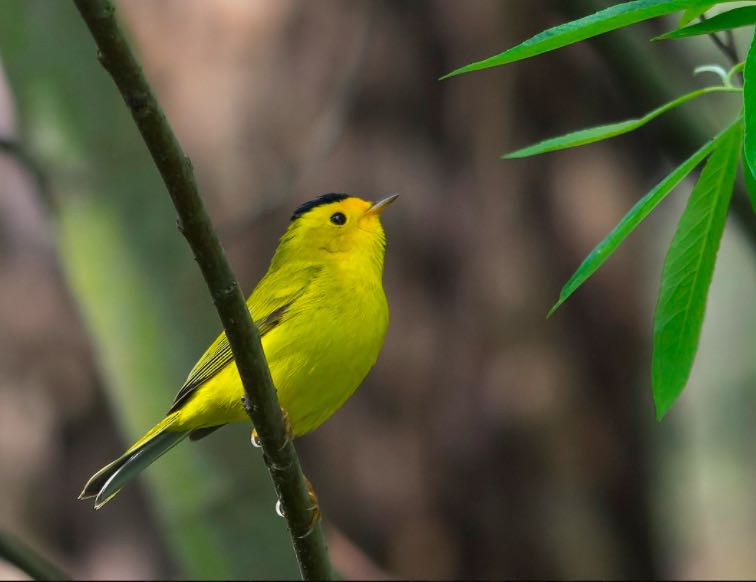
Wilson’s Warbler. Jerry Ting/Macaulay Library. eBird S35420521.
West
Light to moderate flights were aloft from central California south and east through the Desert Southwest to kickoff the weekend. The intensity of these flights gradually diminished in the days that followed, with their extents following suite. The northern half of the region experienced generally unfavorable migration conditions during this time. By Wednesday and Thursday night, most of the region experienced marginal or unfavorable conditions for migration, with light and isolated movements at best for the remainder of the period.
Top Movers
[expand title=”Increasing” tag=”h3″]
[table sort=”,desc” tablesorter=”true”]
Species,Increase from Last Week[attr style=”color:green”],% of Checklists Reporting
Rufous Hummingbird,57%,6
Western Kingbird,80%,2.7
Hooded Oriole,62%,3.1
Wilson’s Warbler,86%,1.7
Violet-green Swallow,32%,7.5
Pacific-slope Flycatcher,68%,2.4
Barn Swallow,38%,4.3
Common Grackle,200%,0.7
Bullock’s Oriole,73%,1.6
Tree Swallow,21%,11.6
Warbling Vireo,83%,0.9
Western Meadowlark,18%,12.8
Red-breasted Nuthatch,22%,5.3
Gray Hawk,112%,0.5
Purple Finch,24%,4.1
Brown-headed Cowbird,28%,2.3
Black-capped Chickadee,10%,14.8
Osprey,22%,3
Grace’s Warbler,218%,0.2
Wood Duck,16%,3.9
Orange-crowned Warbler,14%,7.3
Cliff Swallow,20%,2.7
[/table]
[/expand]
[expand title=”Decreasing” tag=”h3″]
[table sort=”,asc” tablesorter=”true”]
Species,Decrease from Last Week[attr style=”color:red”],% of Checklists Reporting
Hermit Thrush,-22%,2.8
Great Egret,-19%,5.4
Common Goldeneye,-15%,7.2
Black Phoebe,-14%,14.2
Phainopepla,-18%,3.2
Western Bluebird,-13%,8
Mew Gull,-20%,1.9
American Tree Sparrow,-63%,0.2
Varied Thrush,-34%,0.9
Mountain Chickadee,-14%,3.2
Rock Wren,-20%,1.6
Northern Mockingbird,-9%,10.6
Savannah Sparrow,-13%,3.4
Tundra Swan,-17%,1.5
California Gull,-10%,6
Herring Gull,-18%,1.7
Northern Pintail,-11%,5.2
Ring-billed Gull,-10%,7.7
Loggerhead Shrike,-17%,1.5
Golden Eagle,-14%,1.5
American Kestrel,-6%,8.7
[/table]
[/expand]
–––––––––––––––––––––––––––––––––––
Farnsworth and Van Doren
Scientific Team
BirdCast is made possible by the participating scientists at the below institutions, and many other contributors.